The Beatles Unveil Rare Sitar Version Of 'Norwegian Wood' From Studio Vaults
An unreleased alternate recording showcases George Harrison’s early experiments with the sitar ahead of the Rubber Soul reissue.
By Rae MitchellPublished Updated 2 min read
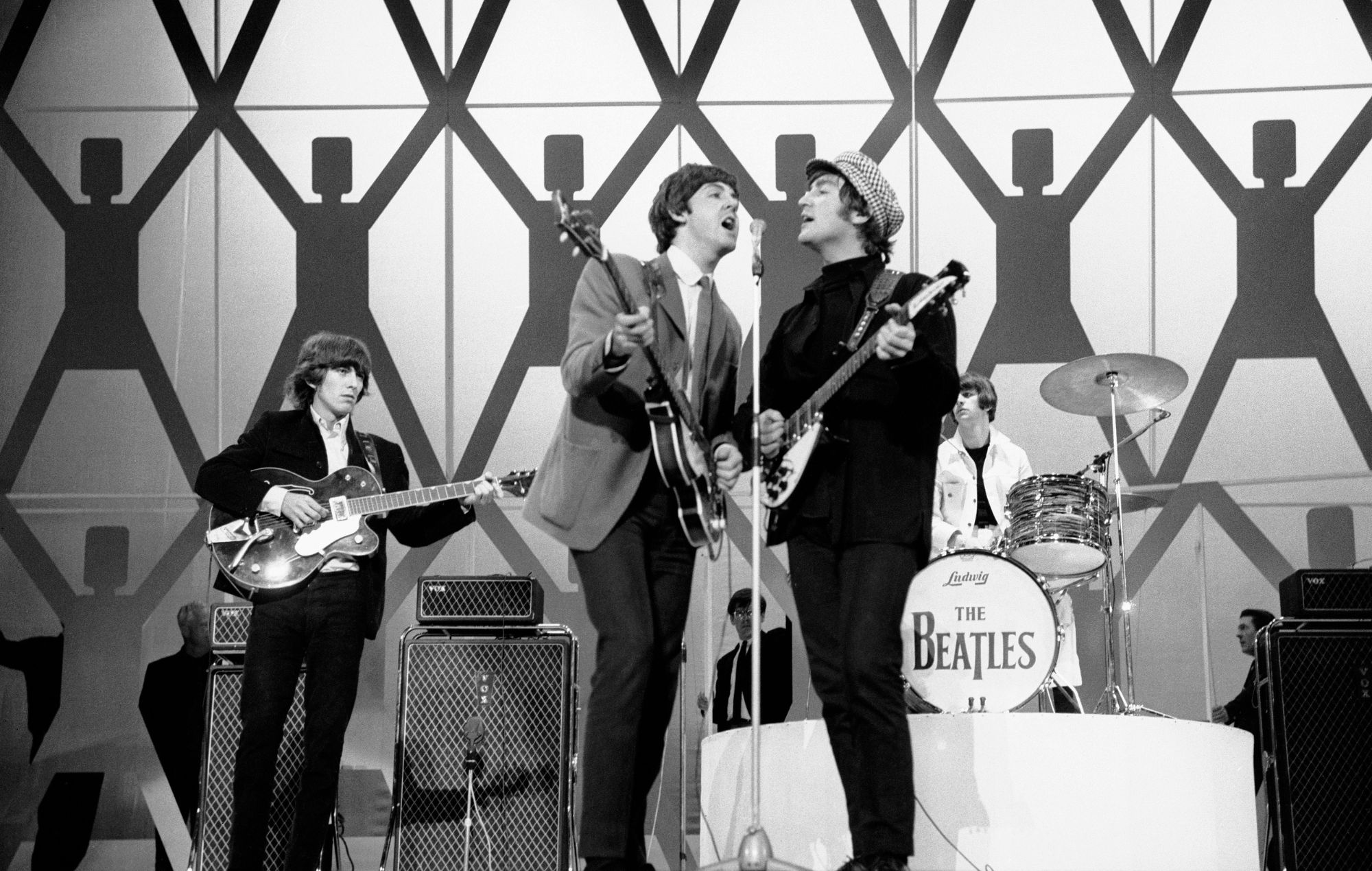
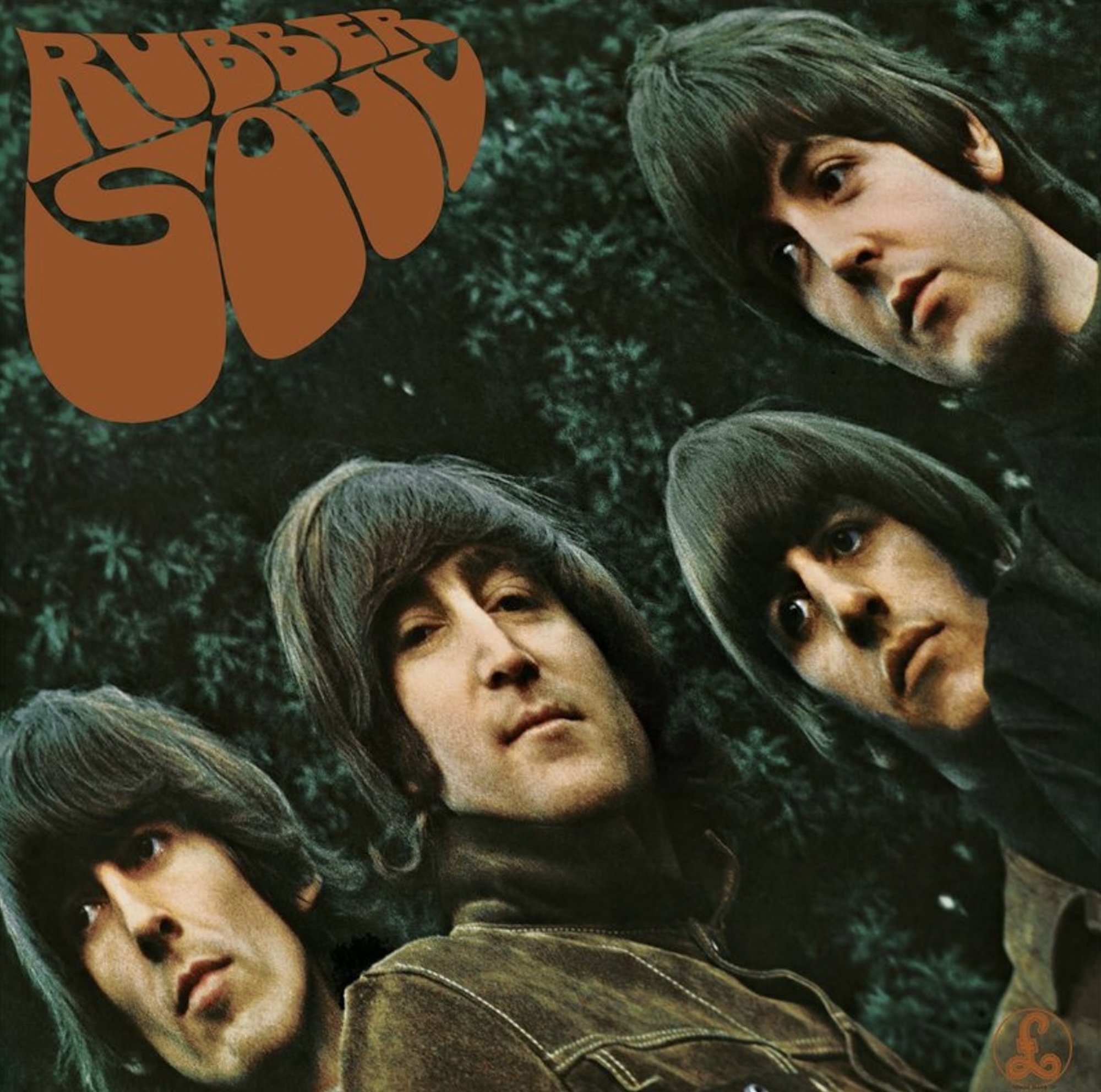
Music history buffs, assemble. The Beatles are dipping back into their legendary studio vaults once again, unleashing a captivating alternate recording of "Norwegian Wood (This Bird Has Flown)." The newly released session track offers fans an intimate front-row seat to the band's creative process in late 1965, highlighting George Harrison's fascinating early experimentation with the sitar. Officially designated as "Second Version – Take 2," the fresh teaser captures a pivotal moment during the making of their groundbreaking album *Rubber Soul*. According to reports, John Lennon, Paul McCartney, George Harrison, and Ringo Starr originally attempted to lay down the track during their very first day of recording for the album. However, the group was unhappy with how that early attempt turned out, prompting them to revisit the composition nine days later to cut three brand-new takes.
When does the Rubber Soul special edition come out?
This newly surfaced track serves as the third official teaser ahead of the upcoming expanded Special Edition of *Rubber Soul*, which is scheduled for official release on October 2. The expanded box set celebrates the iconic 1965 project by bundling the classic tracklist alongside a rich collection of rare archival audio. Collectors and casual listeners alike will get access to unreleased home demos, behind-the-scenes studio sessions, and a newly shared double A-side single featuring "Day Tripper" and "We Can Work It Out." The roll-out for the reissue has already provided several fascinating glimpses into the group's studio workflow. Prior to dropping this latest spin on "Norwegian Wood," the band's estate shared "Michelle (Take 1)" to kick off the album campaign. That sample was quickly followed by an informal songwriting work tape, giving listeners a candid look at how the riff and structure for "Day Tripper" originally came together before the band brought it to the studio floor.
What makes this version of Norwegian Wood different?
The standout feature of this newly unveiled "Norwegian Wood" take is undoubtedly Harrison's acoustic exploration. During the original 1965 recording dates, the late guitarist had only recently stumbled upon the sitar, a traditional Indian stringed instrument that he would soon turn into a staple of mid-sixties psychedelic rock. This newly released "Take 2" showcases Harrison actively mastering his newly discovered instrument on the fly. Listening to the raw session tape provides an unmatched perspective on how the Fab Four built one of their most celebrated arrangements from scratch, showing the precise trial-and-error moments that ultimately led to pop music history.
The photos · 2
More like this

Music
Olivia Rodrigo 'Unraveled Tour' Tickets: How To Score Cheap Passes
Missed out on Olivia Rodrigo tickets when they sold out in minutes? Here is how to snag last-minute passes before the tour starts.
8h ago

Music
Diddy Dropped by NYC Law Firm Over Unpaid Legal Bills
The music mogul's civil defense team filed to walk away after six months of missed payments and ghosting.
9h ago
Music
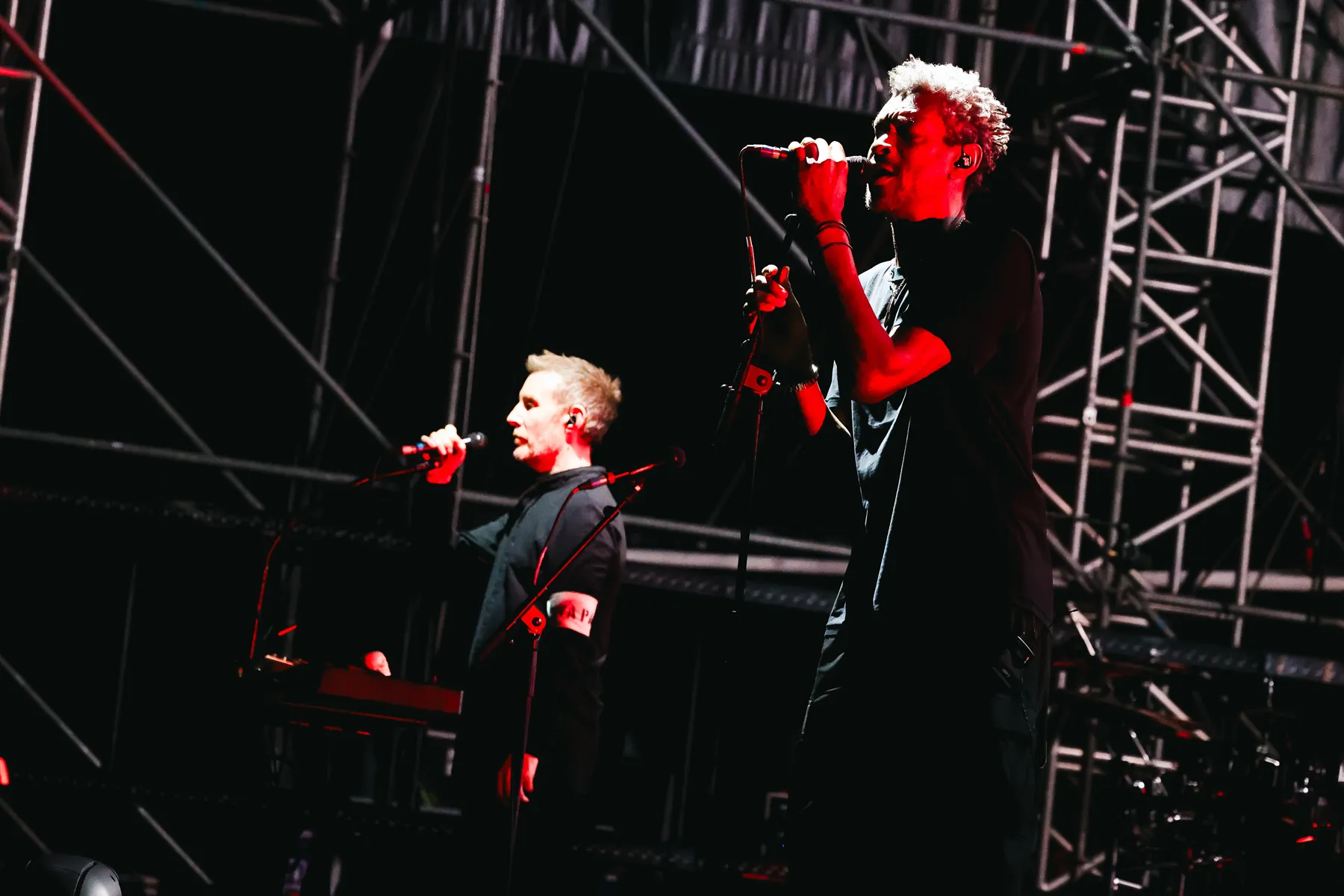
Massive Attack And Garbage Call Out Ed Sheeran Over Macklemore Tour Drama
Alt-rock icons are calling out the pop superstar after Macklemore was removed from his tour lineup, warning against censorship in the music industry.
12h ago
Get the pop news brief
One daily email. The biggest celebrity, music and TV stories, no filler.
People also ask
- When is the expanded Rubber Soul Special Edition being released?
- The expanded Special Edition of Rubber Soul is scheduled for official release on October 2, featuring rare session tapes, home demos, and alternate studio takes.
- Which Beatles song features George Harrison playing sitar?
- George Harrison prominently played the sitar on 'Norwegian Wood (This Bird Has Flown),' marking one of the earliest uses of the traditional Indian instrument in Western rock music.
Reader reaction
Loading comments…