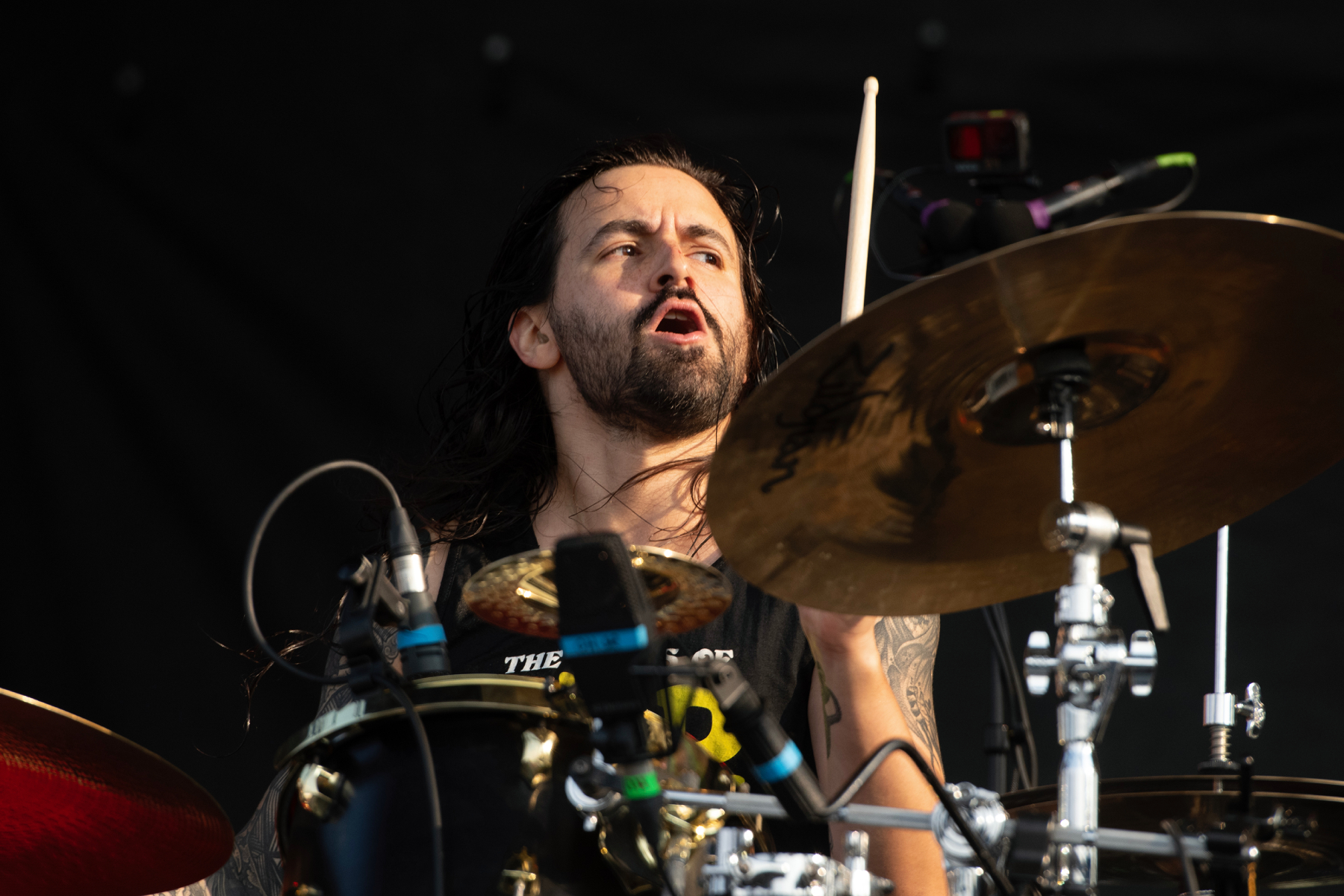
Former Slipknot Drummer Jay Weinberg Says Strict Legal Contracts Crushed Him
Jay Weinberg opened up about the grueling legal restrictions that kept him from collaborating with other musicians, admitting the creative lockdown was deeply painful.
By Nina BrooksPublished Updated 2 min read
Heavy-hitting percussionist Jay Weinberg is pulling back the curtain on the intense legal handcuffs that once restricted his career. In a candid new interview, the seasoned drummer disclosed that strict contractual terms previously blocked him from guesting on records or jamming with outside acts. For an artist built on high-octane energy and constant collaboration, that enforced creative lockdown took an immense toll. Weinberg admitted that being legally barred from collaborating with fellow players felt like a vital piece of his inner spark was fading away. While he carefully avoided calling out any single contract or former band directly, he did not hold back regarding how miserable the experience felt. The prohibition on sharing studios or stages with other creative minds made him feel completely isolated from the broader music world. ## Why was Jay Weinberg legally blocked from music projects? In the high-stakes music business, non-compete clauses and strict exclusivity contracts are frequently used to protect major touring brands. However, for a passionate drummer who lives to play, those corporate boundaries can quickly start to feel like a prison. Weinberg detailed how being forced to decline outside artistic opportunities created an overwhelming sense of frustration and stagnation. He noted that not having the legal freedom to make music alongside other artists was an undeniably rough ordeal. Playing music is his primary form of emotional expression, so having those avenues shut down by lawyers left him feeling drained. The sheer frustration of watching potential jam sessions evaporate because of legal red tape almost crushed his enthusiasm. ## Did Jay Weinberg leave Slipknot? Over his years behind the kit, the relentless stickman built a global reputation for unhinged intensity and technical skill. Yet away from the massive festival stages, contractual restrictions prevented him from jumping into casual side projects or guest appearances. That forced isolation clashed directly with his core desire to connect with different songwriters and push his creative limits. Now looking toward the future, Weinberg is opening up about the quiet pain of those legal walls. He made it clear that while those non-compete hurdles were incredibly painful to navigate, his deep love for the craft ultimately endured. Today, he remains eager to keep his momentum going, unburdened by the legal traps of his past.
More like this

Music
Taylor Swift Drops Entire Music Video Vault On Spotify
From 'Tim McGraw' to her award-winning blockbusters, Swifties can now stream all 58 of her music videos directly in the app.
10h ago

Music
Olivia Rodrigo 'Unraveled Tour' Tickets: How To Score Cheap Passes
Missed out on Olivia Rodrigo tickets when they sold out in minutes? Here is how to snag last-minute passes before the tour starts.
6h ago
Music
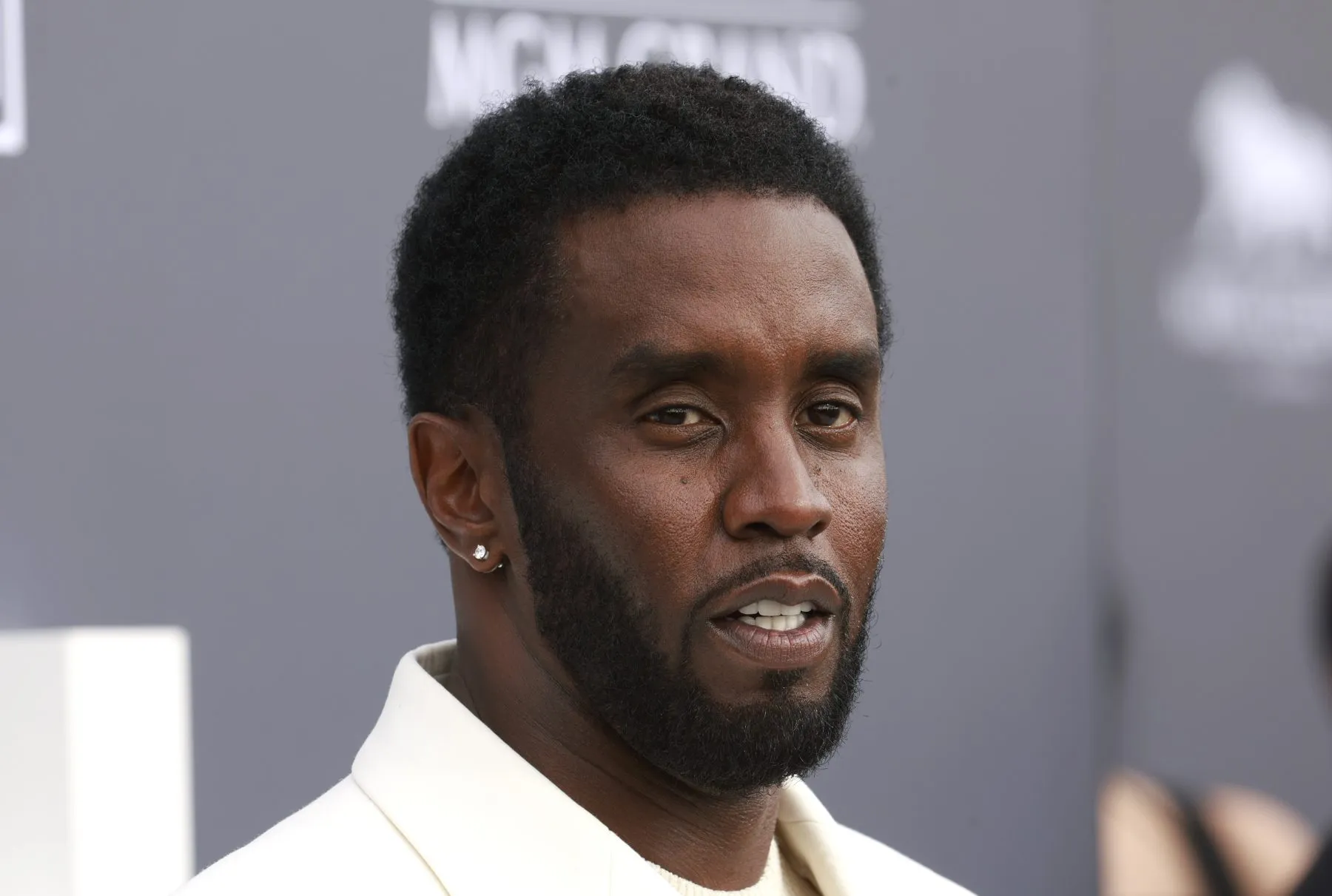
Diddy Dropped by NYC Law Firm Over Unpaid Legal Bills
The music mogul's civil defense team filed to walk away after six months of missed payments and ghosting.
7h ago
Get the pop news brief
One daily email. The biggest celebrity, music and TV stories, no filler.
People also ask
- Why couldn't Jay Weinberg collaborate with other musicians?
- Weinberg revealed that contractual exclusivity terms and legal boundaries prevented him from guesting or performing with outside artists.
- How did Jay Weinberg feel about his legal music restrictions?
- He described the experience as deeply painful and difficult, stating that losing the legal ability to play with others made a part of him feel like it was dying.
Reader reaction
Loading comments…