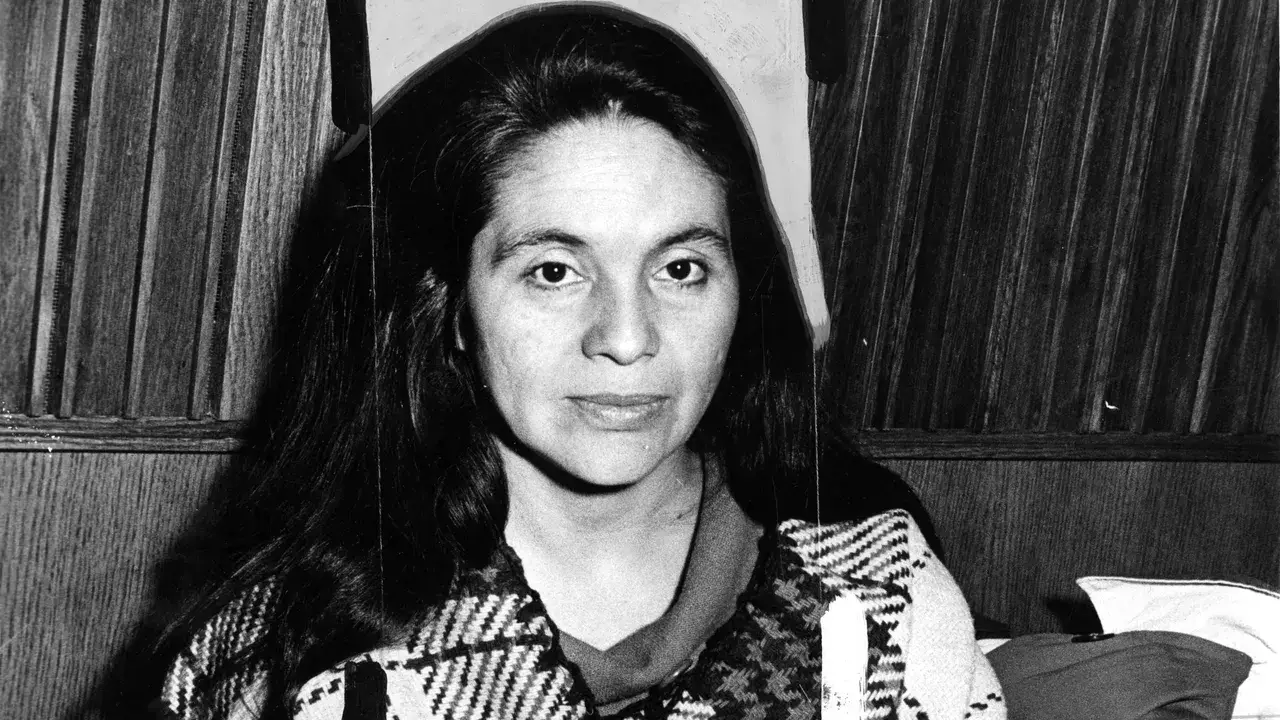
Why Dolores Huerta’s Historic Organizing Legacy Demands the Spotlight Over Trauma Narratives
A renewed cultural conversation urges audiences to celebrate the iconic activist's groundbreaking achievements instead of reducing her story to hardship.
By Nina BrooksPublished Updated 2 min read
Dolores Huerta stands as one of the most transformative figures in American labor history, yet public conversations too often threaten to minimize her lifelong triumphs. A growing cultural discussion is pushing back against commentary that narrows the focus on her past trauma, insisting that her monumental achievements as an organizer must remain at the very center of her public legacy. The push highlights an ongoing struggle faced by influential women throughout history: the tendency for public discourse to define female icons by hardship, pain, or the men who shared their platform. For decades, Huerta worked alongside figures like Cesar Chavez, yet critical analyses point out that allowing his name or past controversies to dominate her narrative does a disservice both to her personal record and to survivors everywhere.
Why is Dolores Huerta's organizing career so vital to celebrate?
Advocates emphasize that Huerta's impact reshaped the landscape of American grassroots activism. Her strategic brilliance, relentless community mobilization, and dedication to farmworkers broke barriers in spaces where women were routinely sidelined. Reducing that decades-long resume to victimhood risks erasing the agency and grit that defined her public life. Observers stress that when historical discourse shifts away from an icon’s concrete victories, it sends a troubling message about how culture values women's leadership. Commentators argue that honoring Huerta requires engaging fully with her organizing wins, her resilience, and her role as an architect of social change rather than centering a framework of victimization.
How does framing survivors around trauma affect public memory?
The broader debate touches on a sensitive and vital question regarding how society treats survivors of sexual assault. Cultural critics argue that when historic figures who experienced trauma are viewed exclusively through that single lens, public memory inadvertently sidelines their power and authority. Allowing the shadows of male colleagues like Chavez to obscure Huerta's standalone achievements also exposes a lingering double standard in how history gets told. Rather than letting difficult past chapters or male counterparts dictate the conversation, commentators maintain that Huerta’s enduring legacy must celebrate her fearless career as an organizer, her visionary leadership, and her permanent mark on civil rights history.
More like this

Latino
Rosalía Tearfully Ends 'LUX Tour' in Miami With Surprise Ayo Edebiri Confession
The Spanish pop icon completed her nearly 60-show run with an emotional farewell and a star-studded cameo in South Florida.
Sep 17, 2026

Latino
J Balvin and Valentina Ferrer Split After Nearly a Decade Together
Model Valentina Ferrer confirms she and reggaeton superstar J Balvin are parting ways after nearly 10 years and welcoming son Río.
Sep 17, 2026

Latino
Becky G, Eva Longoria, and Danny Trejo Star in Willy Chavarria's Edgy Ugg Campaign
The biker-inspired footwear collection has officially dropped with a star-studded lineup of music and Hollywood talent.
Sep 10, 2026
Get the pop news brief
One daily email. The biggest celebrity, music and TV stories, no filler.
People also ask
- What is the current cultural conversation regarding Dolores Huerta?
- Discussions focus on celebrating Huerta’s legendary organizing accomplishments and grassroots leadership rather than letting narratives of trauma and male contemporaries define her legacy.
- Why are commentators pushing back against trauma-centered narratives?
- Critics argue that framing female trailblazers primarily through their trauma diminishes their agency, diminishes their victories, and sends a discouraging message to survivors.
- dolores huerta
- cesar chavez
Reader reaction
No comments yet — be the first to weigh in.