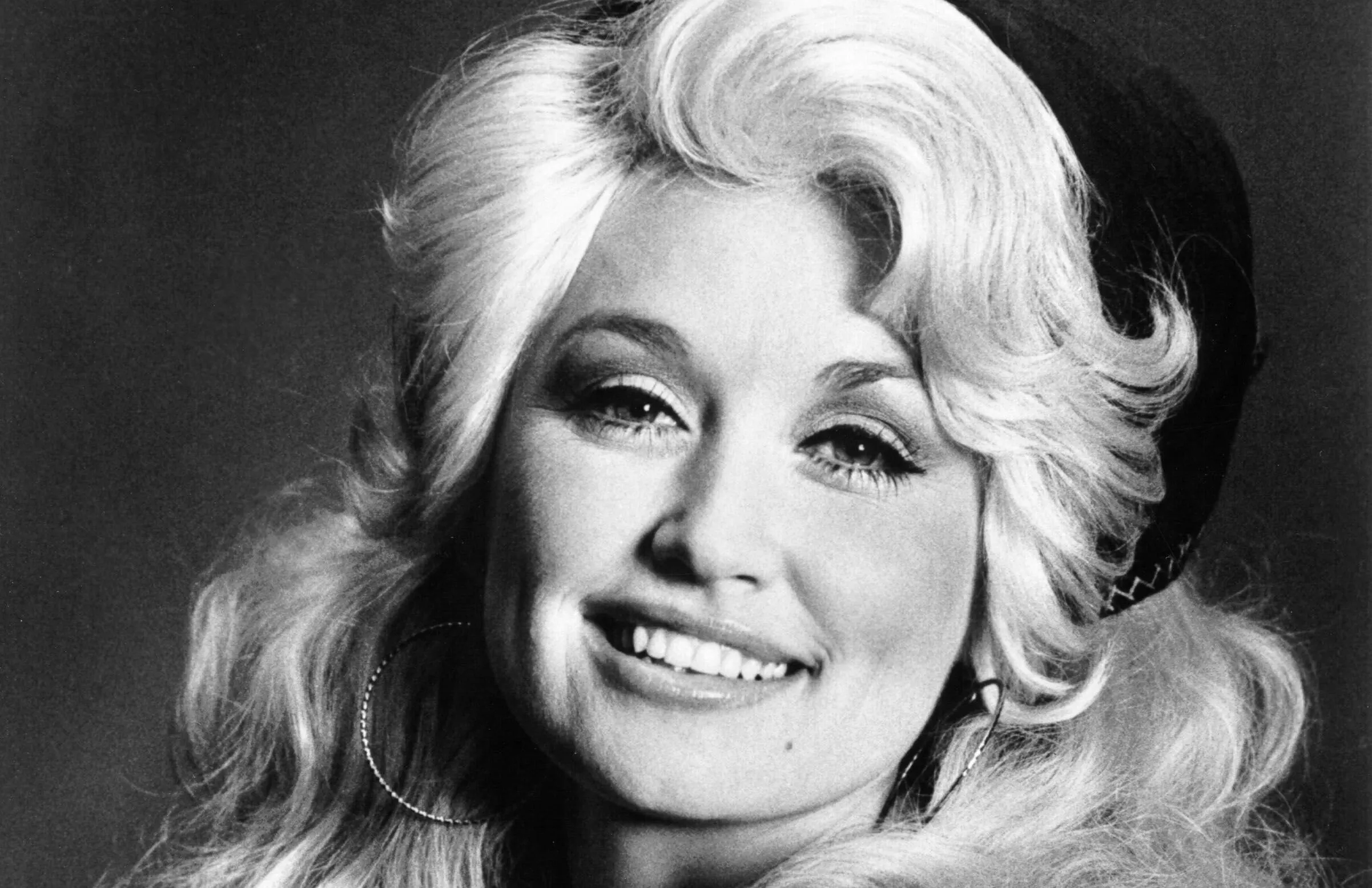
The Truth Behind the Viral Superstition That Celebrities Die in Threes
Whenever high-profile stars pass away close together, fans revive the long-standing 'rule of threes' myth.
BUZZBEAT NewsroomAug 26, 20262 min read
Whenever a beloved Hollywood figure passes away, internet sleuths immediately start scanning the headlines for who might be next. The idea that famous people always die in sets of three is one of the oldest and most persistent urban legends in pop culture. Every time two major public figures pass away in close succession, fans bracingly await a third name to complete the cycle. This eerie superstition has gripped showbiz fans for decades, but recent strings of high-profile losses have brought the viral topic back into the spotlight. Social media feeds regularly light up with users tracking timeline coincidences whenever multiple icons pass away during the same week or even on the exact same calendar day. ## Why do people think celebrities die in threes The belief that tragic events happen in trios is not limited to Hollywood, but showbiz amplifies the phenomenon. Psychologists often point to a cognitive habit known as pattern recognition. Human brains are wired to look for order in random events. When several notable deaths happen around the same time, people naturally group them together to create a sense of structure out of sudden grief. Confirmation bias also plays a massive role in keeping the myth alive. When three famous figures happen to pass away within a tight timeframe, people remember it vividly and cite it as proof of the rule. Conversely, when stars pass away individually or in pairs without a third figure following shortly after, fans tend to ignore the mismatch and forget the sequence entirely. ## Is the celebrity death in threes theory true From a statistical standpoint, the concept is purely a myth. There is no mathematical evidence suggesting that famous deaths occur in predictable clusters of three. Given the vast number of well-known actors, musicians, athletes, and public figures across the globe, overlapping tragic news is simply a matter of probability. Modern digital culture makes these clusters feel much more frequent than they actually are. In the past, news traveled slowly through print and broadcast outlets. Today, real-time push notifications and trending topics deliver news of loss instantaneously. When multiple public figures pass away within days of each other, the constant stream of updates creates an overwhelming perception of a sudden wave. Ultimately, the viral death theory remains a psychological comfort mechanism rather than a reality. It offers pop culture fans a predictable framework during moments of collective shock and sadness. While the superstition will undoubtedly resurface every time tragedy strikes Hollywood, history shows it is nothing more than coincidental timing meeting human nature.
The photos · 4
More like this
Viral
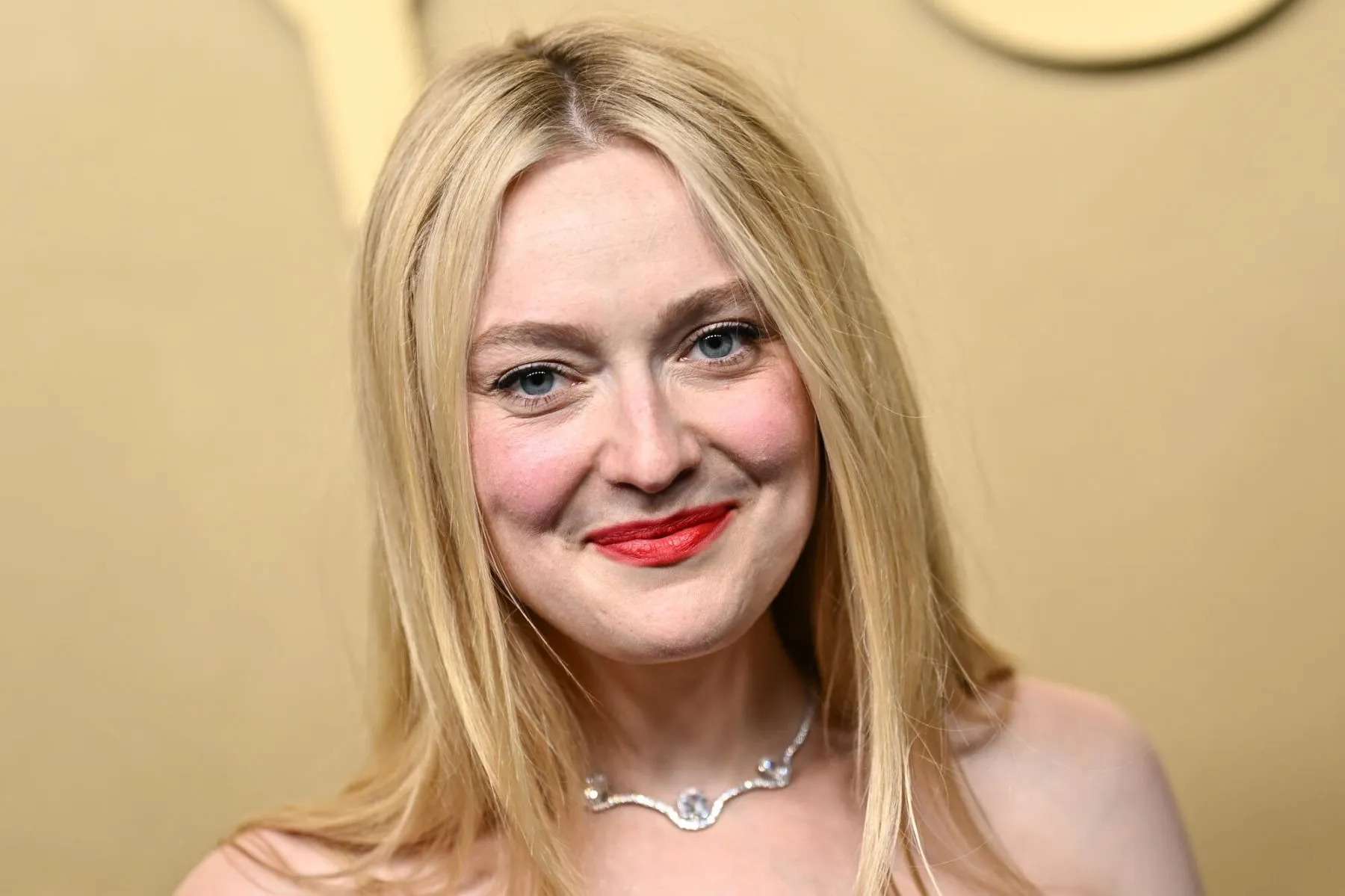
Dakota Fanning Reacts to Lil Wayne Praising Her Viral Rap Clip
The actress revealed on the Emmys red carpet that Weezy reached out on Instagram after she nailed his classic mixtape verse.
Sep 15, 2026
Viral
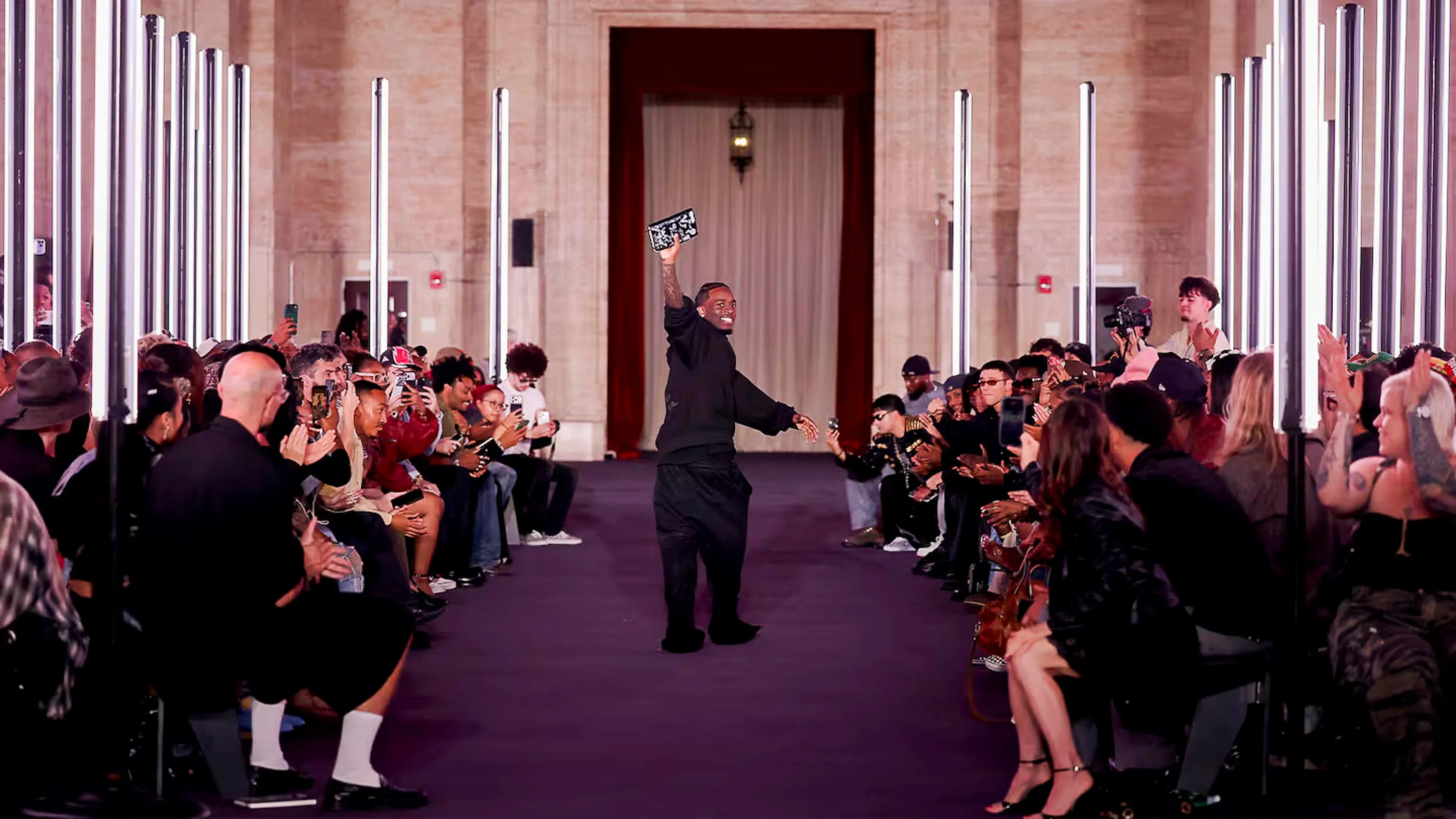
Kai Cenat Takes New York Fashion Week By Storm With Debut Vivet Runway Show
The Twitch powerhouse turned Manhattan into his personal catwalk, proving his fashion dreams are no internet joke.
Sep 14, 2026
Viral
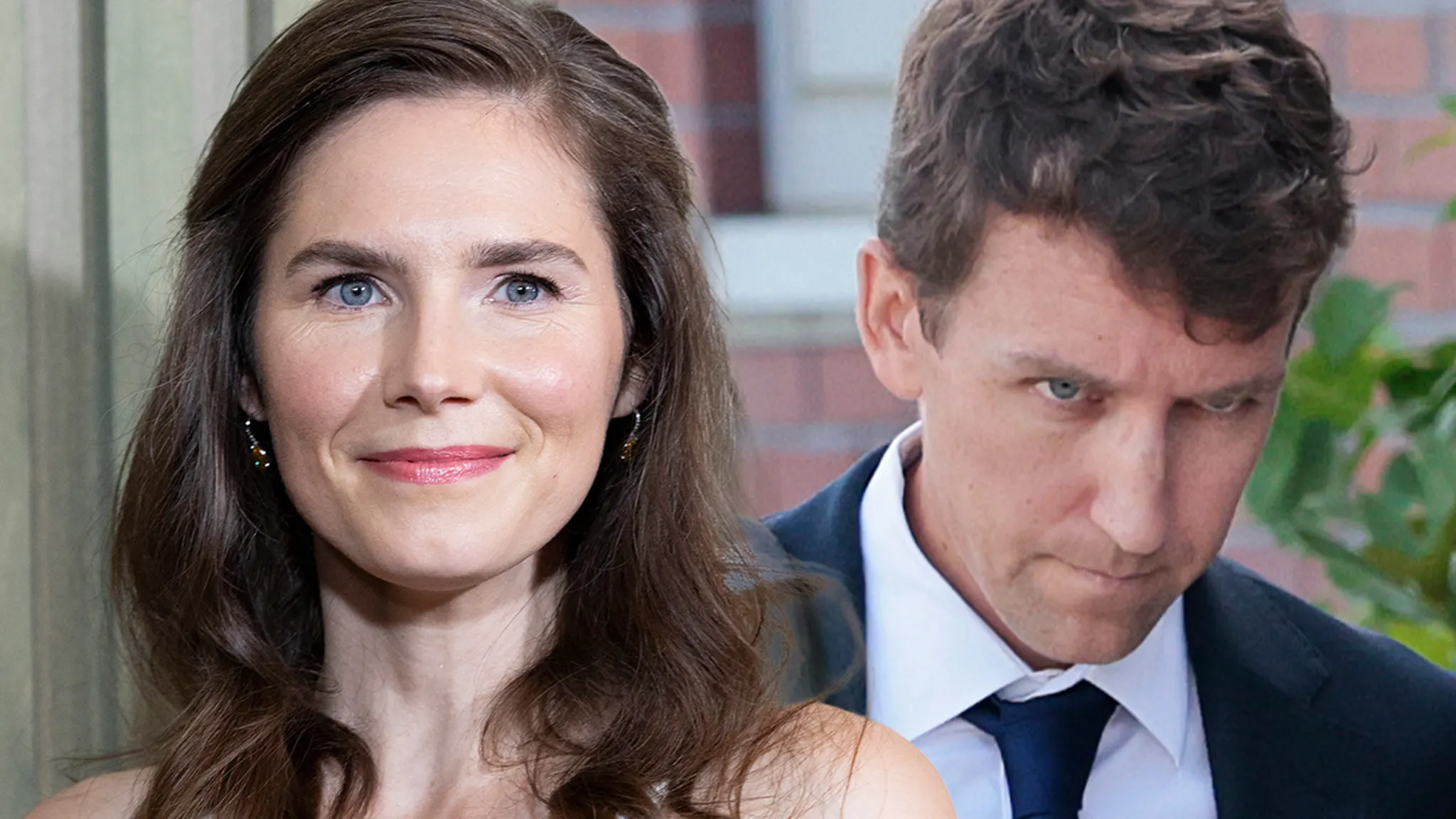
Amanda Knox Slams Web Sleuths Targeting Lindsay Clancy’s Husband Patrick
The exonerated media figure warns online detectives against blaming people based on bad "vibes."
Sep 16, 2026
Get the pop news brief
One daily email. The biggest celebrity, music and TV stories, no filler.
People also ask
- Do celebrities actually die in groups of three?
- No, statistical evidence confirms that celebrity deaths occur randomly. The perceived pattern is driven by selective memory and cognitive bias.
- Why is the celebrity death in threes theory so popular online?
- Instant social media updates amplify real-time news of loss, making consecutive celebrity passings feel much more connected than they truly are.
Reader reaction
Loading comments…