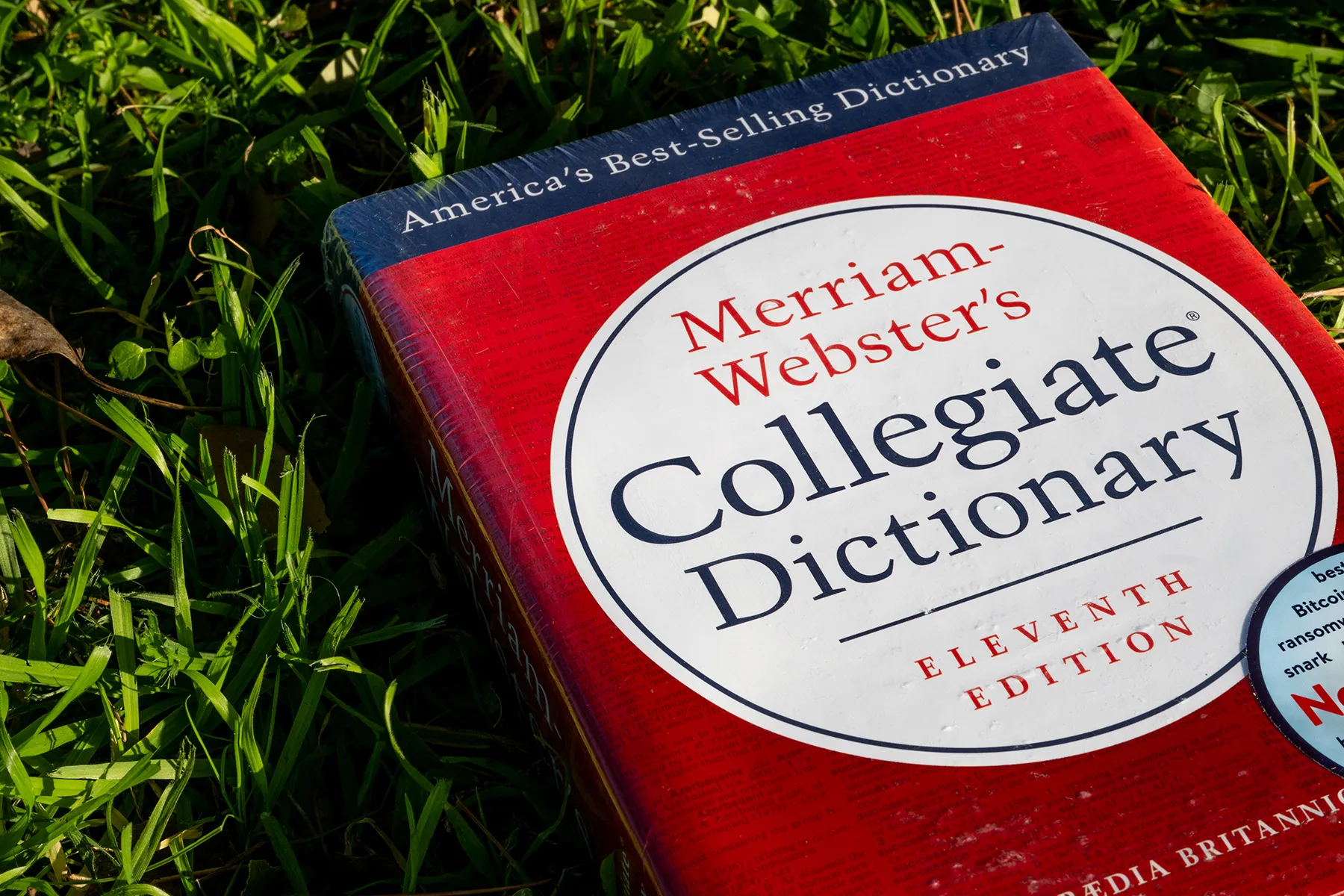
Slang Glow-Up! Merriam-Webster Adds 'Looksmaxxing' and 'Cuffing Season' to Dictionary
Internet culture officially conquers the English language as Merriam-Webster drops its latest batch of viral additions.
By Rae MitchellPublished Updated 1 min read
Your favorite social media terms are officially part of the English language. Merriam-Webster has expanded its database, giving a massive, modern update to its historic word repository. The world-famous dictionary team rolled out its latest batch of linguistic additions, officially welcoming viral internet slang, dating culture terms, and tech jargon into its documented lexicon. According to reports, the editorial team at the reference powerhouse characterized the newest update as a true glow-up for their historical collection of words. Among the standout additions grabbing attention online is "looksmaxxing." The viral phrase, which swept through social media feeds, refers to the practice of trying to dramatically improve or optimize one's physical appearance through intensive grooming, workout routines, and aesthetic enhancements. What began as a niche online obsession has now landed an official spot in standard English reference guides.
What words did Merriam-Webster add to the dictionary?
Dating habits also achieved formal linguistic status in the new release. The dictionary officially incorporated "cuffing season," the widely used pop-culture phrase that describes the chillier fall and winter months when single people actively seek out temporary relationships to avoid spending the cold season alone. The tech world and digital creator community earned fresh recognition as well with the addition of "vibe coding." The inclusion reflects how rapidly modern internet culture, digital platforms, and tech subcultures are altering the way people communicate in their daily lives.
Why is Merriam-Webster adding internet slang?
Lexicographers routinely monitor digital conversations, pop-culture coverage, and mainstream usage to determine when informal terminology crosses over into lasting usage. When a viral phrase demonstrates staying power across public channels, editors deem it ready for a permanent spot in the dictionary. This newest update highlights just how deeply social media trends, modern romance, and digital discourse have influenced standard English. The legendary dictionary’s newest update proves that internet culture continues to shape the future of language, one viral word at a time.
The backstory
Verified moments, in order.
Merriam-Webster: A Famous Name, a Long Fight Over Words
Before internet slang reaches its pages, Merriam-Webster builds its name on Noah Webster’s legacy—and faces generations of arguments over whether dictionaries should police language or record it.
Webster lays the foundation
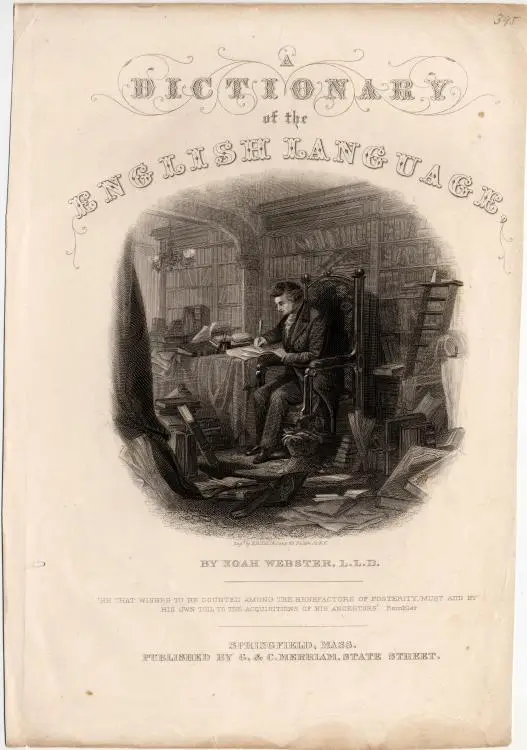
Noah Webster publishes An American Dictionary of the English Language, a two-volume work containing about 70,000 entries. His dictionary helps establish American spellings and supplies the name the Merriam brothers later turn into their publishing identity.
The Merriam brothers open shop
Brothers George and Charles Merriam establish G. & C. Merriam in Springfield, Massachusetts. Their printing and bookselling business predates its connection to Webster: the dictionary name comes through an acquisition, not a shared founding.
A death puts the dictionary in new hands
Webster dies on May 28. That year, the Merriam brothers acquire the rights to his dictionary from his estate, giving their business the foundation for its long-running dictionary operation.
The Merriams publish their first revision
The company issues its first Merriam edition of Webster’s dictionary, revised under the direction of his son-in-law, Chauncey A. Goodrich. Webster’s work becomes an evolving reference book rather than a text frozen at its author’s death.
- Flashpoint
Webster’s Third starts a usage fight
Webster’s Third New International Dictionary arrives under editor Philip Babcock Gove. Its descriptive approach—and especially its treatment of “ain’t”—draws criticism from those who want firmer rulings on correct English. The dispute exposes the tension that still follows slang into dictionaries: recording usage can look like endorsing it.
A familiar pronoun gets a new definition
Merriam-Webster adds a sense of “they” for a person whose gender identity is nonbinary, then selects “they” as its Word of the Year. The update records a specific contemporary use; it does not mark the invention of singular “they,” which has centuries of history.
More like this

Viral
GoFundMe Created for Homeless Veteran Who Helped Secure $500K for Harassed Worker
After stepping up to support a targeted employee, the kind stranger is getting massive support of his own.
Oct 30, 2026

Viral
Mexican TV Host Blames 'New Shoes' After Kicking Drone Into Guest's Face
A wild live broadcast mishap went completely off the rails when a host sent a flying camera straight into a contestant.
Oct 29, 2026

Viral
Pokemon Go Unleashes Mega Halloween Cup: How to Build the Ultimate Great League Team
Spooky season takes over the Battle League as trainers scramble for the top PvP picks and battle-ready lineups.
Oct 27, 2026
Get the pop news brief
One daily email. The biggest celebrity, music and TV stories, no filler.
People also ask
- Did Merriam-Webster add looksmaxxing to the dictionary?
- Yes, Merriam-Webster officially added 'looksmaxxing' to its dictionary, recognizing the internet term for optimizing one's physical appearance.
- What does cuffing season mean in the dictionary?
- The dictionary defines 'cuffing season' as the autumn and winter months when single people actively seek short-term romantic partnerships.
- merriam-webster
Reader reaction
No comments yet — be the first to weigh in.