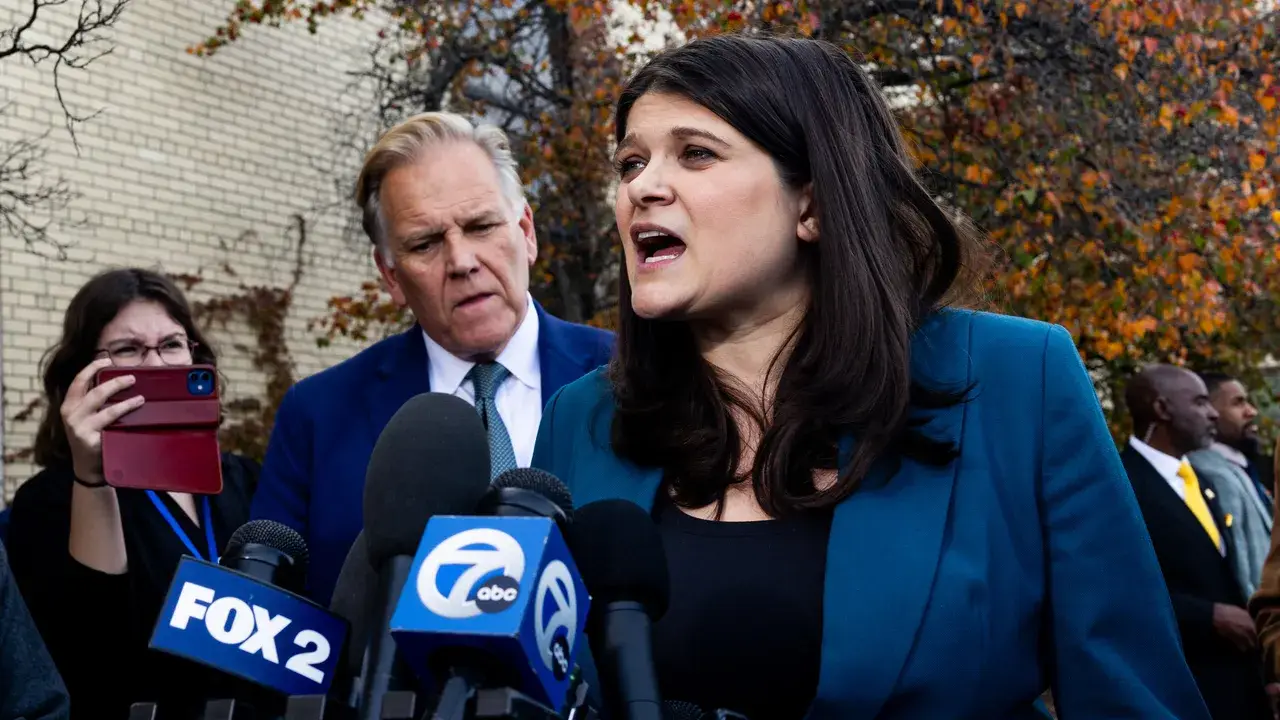
Pop Culture’s Double Standard: Why Can’t Women Own Their Mistakes?
The discourse surrounding figures like Elizabeth Holmes exposes a persistent urge to shift accountability to men behind the scenes.
By Dee AlvarezPublished Updated 2 min read
A recurring cultural conversation is putting a spotlight on how society views female agency, particularly when women make disastrous choices or cross ethical lines. High-profile figures such as Elizabeth Holmes have reignited intense debates about whether modern culture can truly accept women as fully autonomous individuals—flaws, misdeeds, and all. Whenever a prominent woman finds herself at the center of a public downfall or controversial scandal, a familiar defense mechanism often emerges in public commentary. Commentators and observers frequently search for an influential male figure behind the scenes, eager to cast the woman as a manipulated victim rather than the primary architect of her own decisions.
Why do critics struggle with female accountability?
Watch
Clips tied to this story.
This dynamic highlights a lingering double standard in pop-culture discourse. Society has made significant strides in championing female leadership, ambition, and independence. Yet, when ambition curdles into deceit or failure, the narrative tends to revert to deeply traditional tropes. Instead of viewing female wrongdoers as calculating operators who acted on their own ambitions, the public conversation frequently defaults to framing them as naive pawns guided by shadowy svengalis. In the case of Theranos founder Elizabeth Holmes, observers closely followed how her public persona shifted from a self-styled tech visionary to someone whose defense pointed fingers at an older male partner. While legal strategies naturally seek every available avenue of defense, the broader cultural reaction revealed an uncomfortable truth: many observers found it easier to digest her actions through the lens of male manipulation than to simply accept that a woman could orchestrate a massive deception entirely on her own terms.

How does the Svengali trope hurt female agency?
Stripping women of their culpability does not actually protect or empower them. In fact, cultural critics argue that refusing to hold women fully responsible for their own transgressions inadvertently reinforces the antiquated belief that women lack true autonomy. True equality requires acknowledging that women possess the exact same capacity for brilliance, greed, recklessness, and self-serving ambition as their male peers. When observers redirect blame toward men pulling the strings, they effectively treat women as passive participants in their own lives. Whether looking at business scandals, viral internet fallouts, or media controversies, continuing to excuse bad actions under the guise of female fragility undermines the very agency that women have fought so hard to establish. Moving the conversation forward means retiring outdated narratives and treating adult women as the sole authors of their triumphs and their downfalls alike.
The photos · 3
More like this
Celebrity
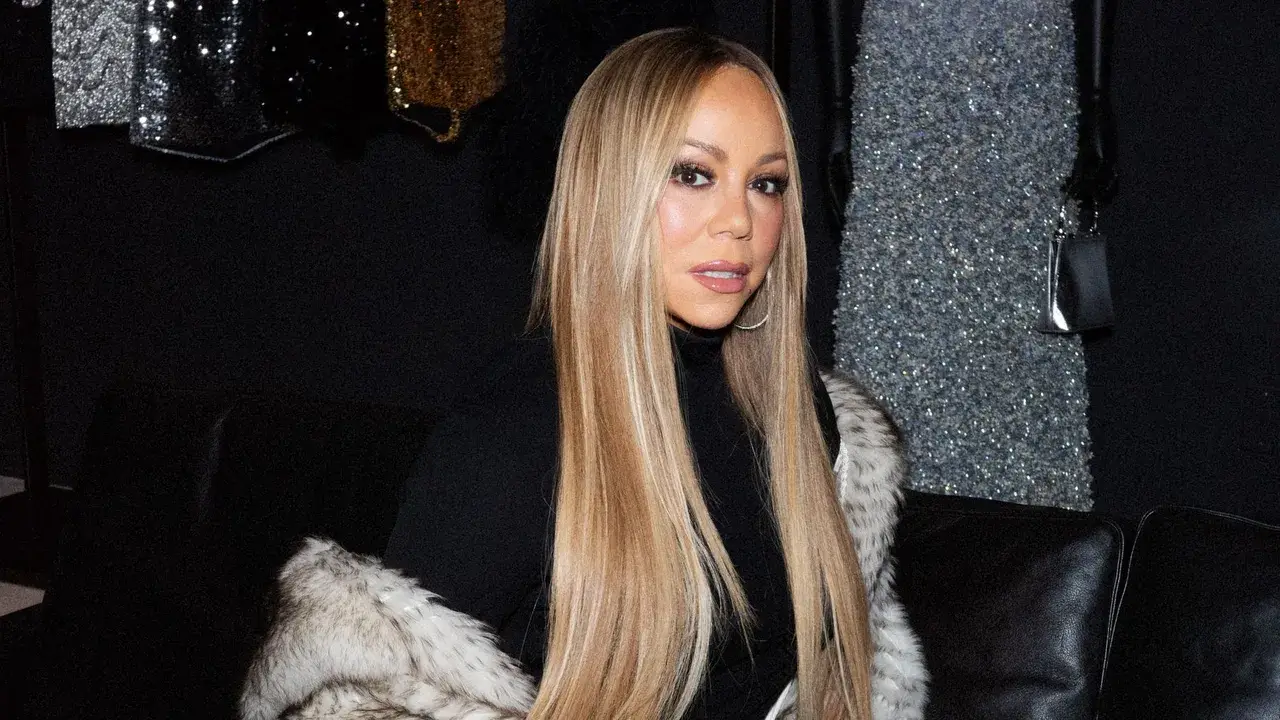
Mariah Carey Spills Her Ultimate Holiday Hosting Rules and Festive Style Secrets
The undisputed festive icon reveals what she avoids at parties and how she coordinates glamorous seasonal looks.
13h ago

Celebrity
Catherine Zeta-Jones Looks Back at Her Most Iconic Screen Roles
The Oscar winner revisits pivotal career moments, from her breakout in 'The Mask of Zorro' to 'Wednesday.'
10h ago

Celebrity
Sofia Coppola and Marion Cotillard Step Out for the Dia Art Foundation Fall Gala
The Oscar winners joined designer Matthieu Blazy for an evening celebrating contemporary art and culture.
9h ago
Get the pop news brief
One daily email. The biggest celebrity, music and TV stories, no filler.
People also ask
- Why is Elizabeth Holmes often brought up in discussions about female agency?
- Elizabeth Holmes serves as a major case study because her defense and subsequent media discourse frequently framed her decisions through the lens of alleged male influence rather than sole accountability.
- What is the Svengali trope in modern celebrity culture?
- The trope refers to the tendency to believe that a controversial or fallen woman was merely a puppet being controlled by a powerful man, rather than acting independently.
- elizabeth holmes
- haley stevens
- theranos
- pop culture
Reader reaction
No comments yet — be the first to weigh in.