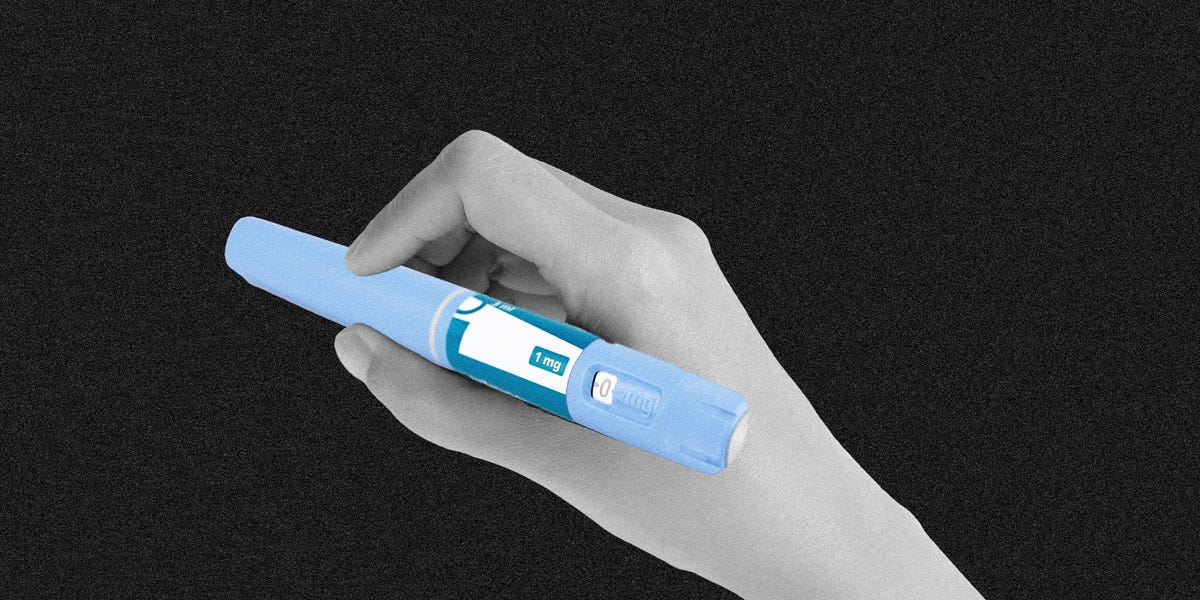
Intimacy In The Ozempic Era: How Writers Are Rethinking Desire And Body Image
The rise of weight-loss drugs is changing how creators frame physical attraction, intimacy, and romance on page and screen.
By Rae MitchellPublished Updated 2 min read
Hollywood and the literary world are navigating a major shift in how physical attraction, body types, and intimate moments are portrayed. As weight-loss medications like Ozempic reshape public perception of physical appearance, storytellers are rethinking traditional approaches to crafting sex scenes. The rise of these treatments has sparked fresh discussions about how writers describe desire, body standards, and romantic chemistry on page and screen. For years, descriptions of intimacy often leaned on conventional beauty tropes or celebrated diverse body positivity movements. However, the widespread popularity of GLP-1 treatments has introduced new questions about how physical transformations influence personal identity and screen chemistry. Screenwriters and authors are currently exploring how to depict passion in a culture increasingly focused on rapid aesthetic changes and pharmaceutical body modifications.
How is Ozempic changing Hollywood sex scenes?
Writing intimate encounters requires establishing authentic vulnerability between characters. As public conversations around physical appearance shift toward medicalized weight loss, creators are forced to adjust how they frame physical attraction. Reports indicate that filmmakers and authors are stepping away from outdated physical descriptions, choosing instead to focus on emotional intensity, eye contact, and character dynamics rather than strictly focusing on body shape. Industry observers note that the dialogue surrounding body image in media is becoming more complex. While body positivity previously pushed for broader representation of all physical sizes, the prevalence of weight-loss injections has added another layer to how audiences view body changes. Consequently, intimate scenes now aim to strike a delicate balance, avoiding superficial tropes while reflecting contemporary realities about self-image and attraction.
Why are writers rethinking romance and desire today?
The evolving cultural landscape means that audience expectations for romantic scenes are changing rapidly. Modern viewers and readers increasingly demand nuanced portrayals of intimacy that feel genuine rather than formulaic. By placing greater emphasis on emotional connection and mutual consent, storytellers can create compelling romantic arcs that transcend temporary aesthetic trends. Ultimately, the challenge for modern creators lies in portraying desire that feels grounded and authentic. As cultural norms around body shape continue to evolve alongside medical advancements, writers are tasked with capturing human connection in ways that resonate deeply with audiences. The focus remains on telling stories where passion and vulnerability take center stage, regardless of changing physical ideals.
More like this
TV & Film
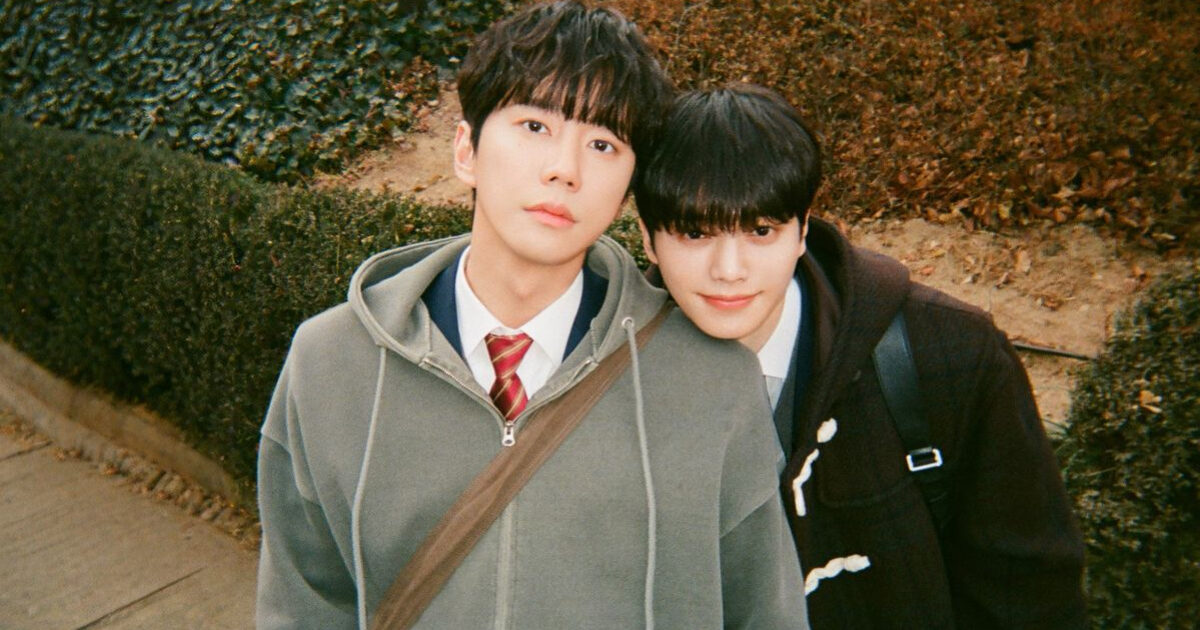
Song Kang And Lee Jun Young Score Big With Hit Drama Finale
The co-stars are celebrating high ratings and top brand reputation rankings after wrapped broadcast of their latest series.
8h ago

TV & Film
Euphoria Creator Sam Levinson Signs Exclusive Amazon TV Deal Following HBO Exit
The showrunner and his producing partner wife Ashley Levinson are bringing new projects to Prime Video.
7h ago
TV & Film
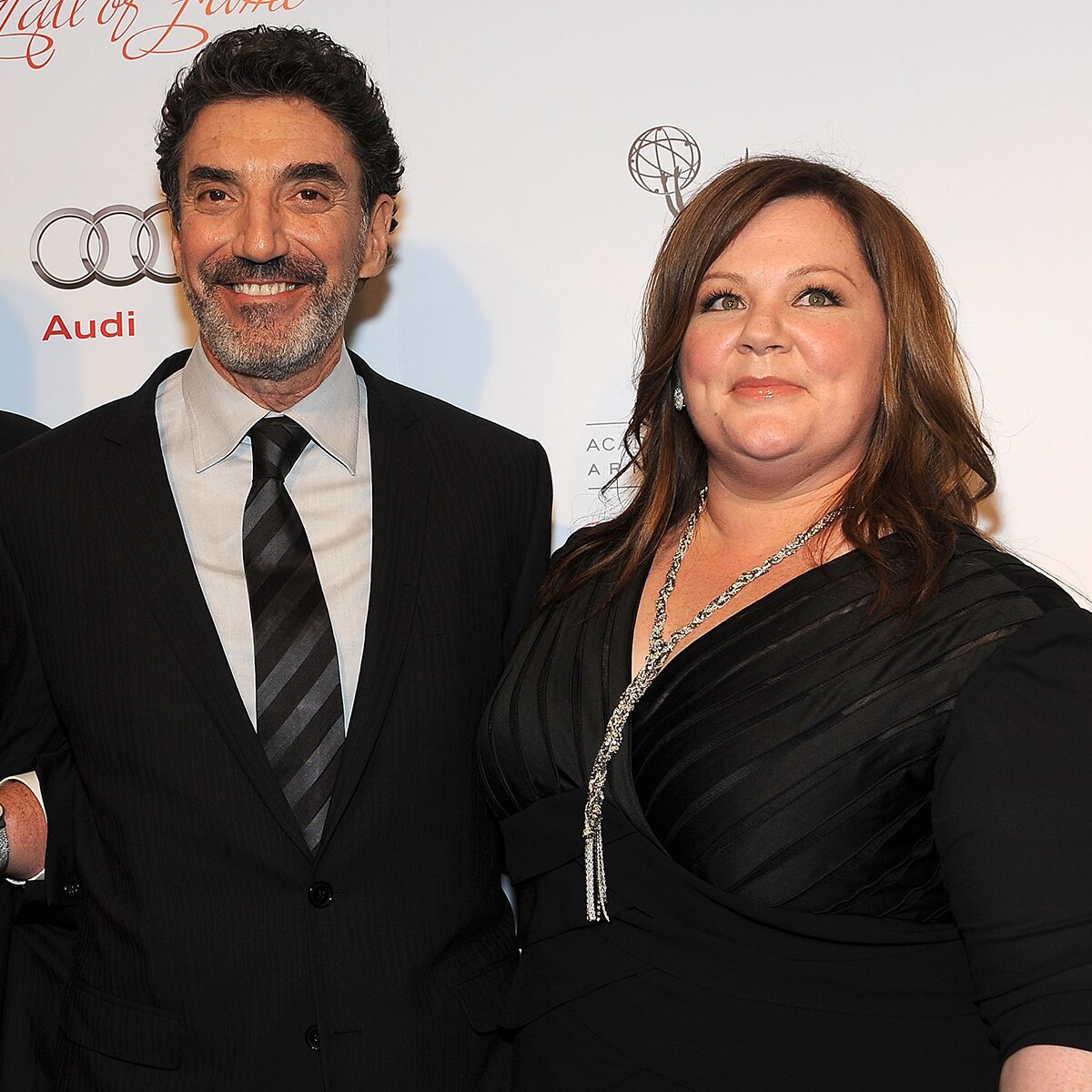
Chuck Lorre Fought Network Over Melissa McCarthy's Weight for Hit Sitcom
CBS executives reportedly hesitated during the casting of 'Mike & Molly' before Chuck Lorre refused to back down.
15h ago
Get the pop news brief
One daily email. The biggest celebrity, music and TV stories, no filler.
People also ask
- How is Ozempic impacting how intimacy is written in media?
- The widespread use of weight-loss drugs has prompted storytellers to re-examine how physical attraction and body image are described, leaning more heavily into emotional chemistry and authentic human connection.
- Why are creators changing their approach to sex scenes?
- Creators are shifting away from traditional aesthetic tropes to ensure romantic encounters feel authentic and relevant to evolving audience perspectives on body standards.
- ozempic
- hollywood
- screenwriting
- pop culture
- body image
Reader reaction
No comments yet — be the first to weigh in.