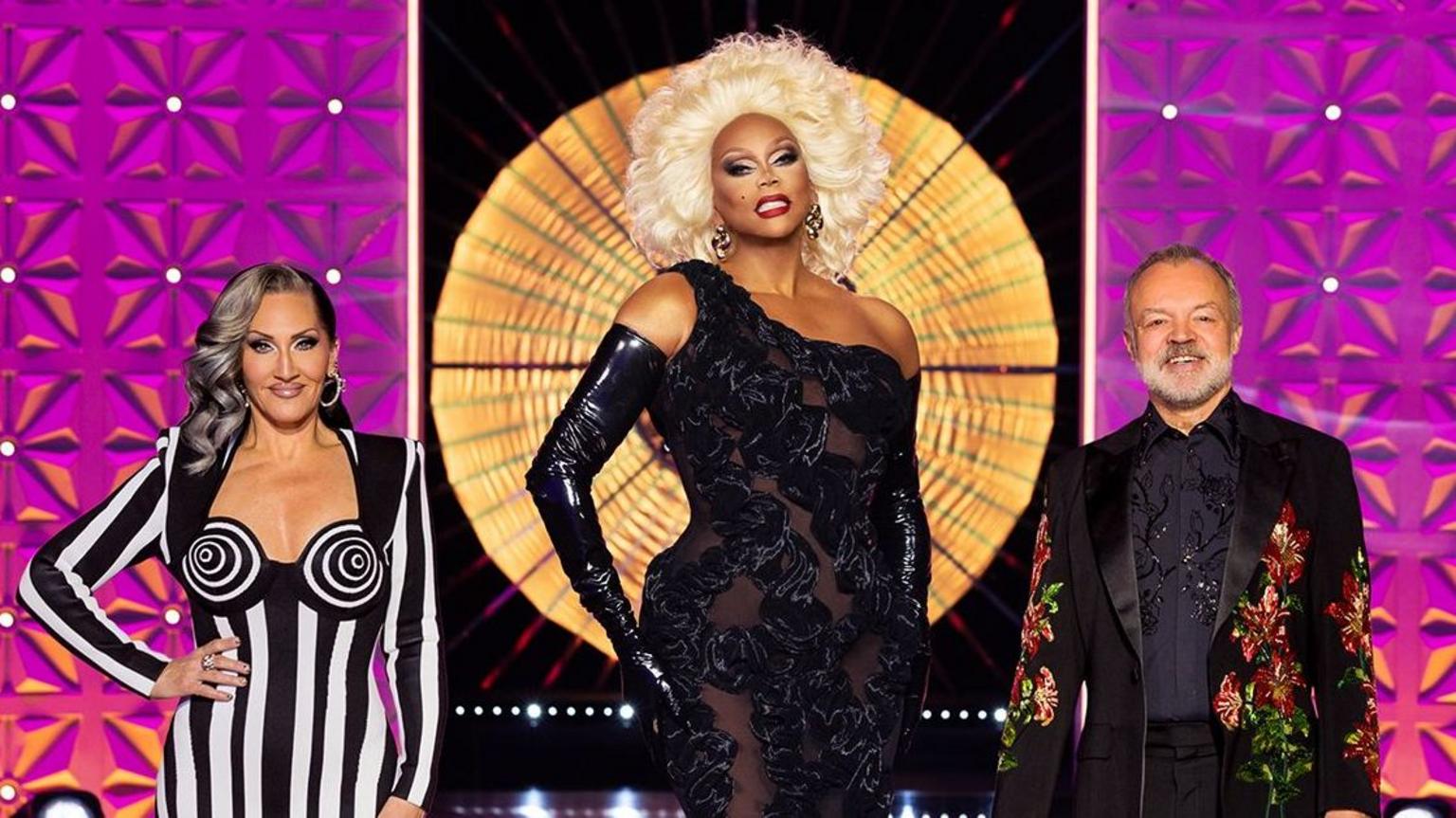
Drag Race Mastermind Sounds Alarm On LGBTQ+ TV Crisis After BBC Drop
Budget pressures force the broadcaster to axe a queer project, raising major concerns about diverse screen visibility.
BUZZBEAT NewsroomSep 12, 20262 min read
Television is facing an alarming shift in inclusivity, according to one of the creative minds behind the global phenomenon *Drag Race*. Following a decision by the BBC to scrap a project tied to the franchise's creative leadership, warnings are mounting about the future of queer visibility on public airwaves. The British broadcaster chose to pull the plug on the production citing mounting financial strains. While television networks worldwide continue to reexamine their budgets amidst changing media habits, industry insiders caution that diverse programming appears to be taking an outsized hit during these cost-cutting measures. ## Why Did BBC Cancel Drag Race Project Money troubles at the executive level reportedly drove the decision to remove the show from the lineup. The BBC has been navigating severe fiscal tightening, leading to tough choices across its broadcast slate. However, removing high-profile queer content has immediately sparked intense conversations among media analysts and audiences alike. The co-creator of *Drag Race* voiced sharp concern over the move, framing the cancellation not just as a single business decision, but as part of a larger, systemic pattern. The warning highlights how quickly progress in television diversity can erode when financial priorities shift toward safer, traditional concepts. ## Is LGBTQ Representation Decreasing On Television The conversation surrounding this latest axe reflects growing anxiety within the entertainment business regarding on-screen representation. For years, platforms pointed to groundbreaking reality and performance formats as evidence of meaningful progress for marginalized communities. Now, creative leaders warn that dropping these titles threatens to reverse years of hard-won cultural presence. When major public broadcasters pull back on LGBTQ+ stories, the ripple effect reaches across the entire entertainment ecosystem. Industry observers note that independent producers and underrepresented talent face steeper hurdles when securing greenlights from risk-averse networks. As economic pressures continue to reshape the television landscape, the public fallout over the BBC's cancellation serves as a reminder of the fragility of diverse media. The decision leaves fans and creators questioning whether mainstream networks remain committed to authentic queer storytelling or if inclusion is slipping down the priority list.
The photos · 6
More like this
Reality TV
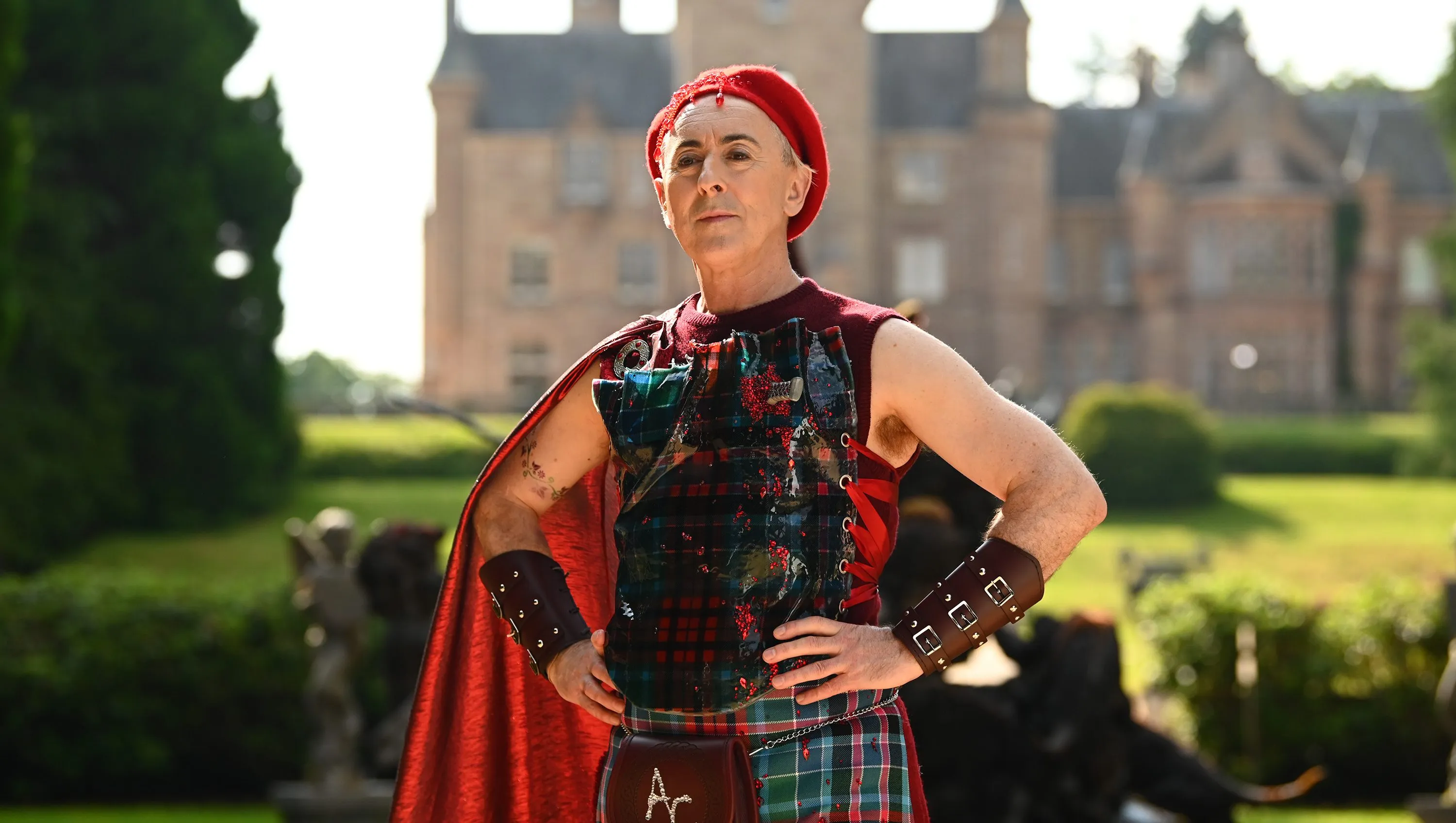
Round Up the Faithful! 'The Traitors' Lands Massive Three-Season Renewal at Peacock
Alan Cumming isn't leaving his Scottish castle anytime soon as the Emmy-winning reality hit secures its future through Season 8.
8h ago
Reality TV
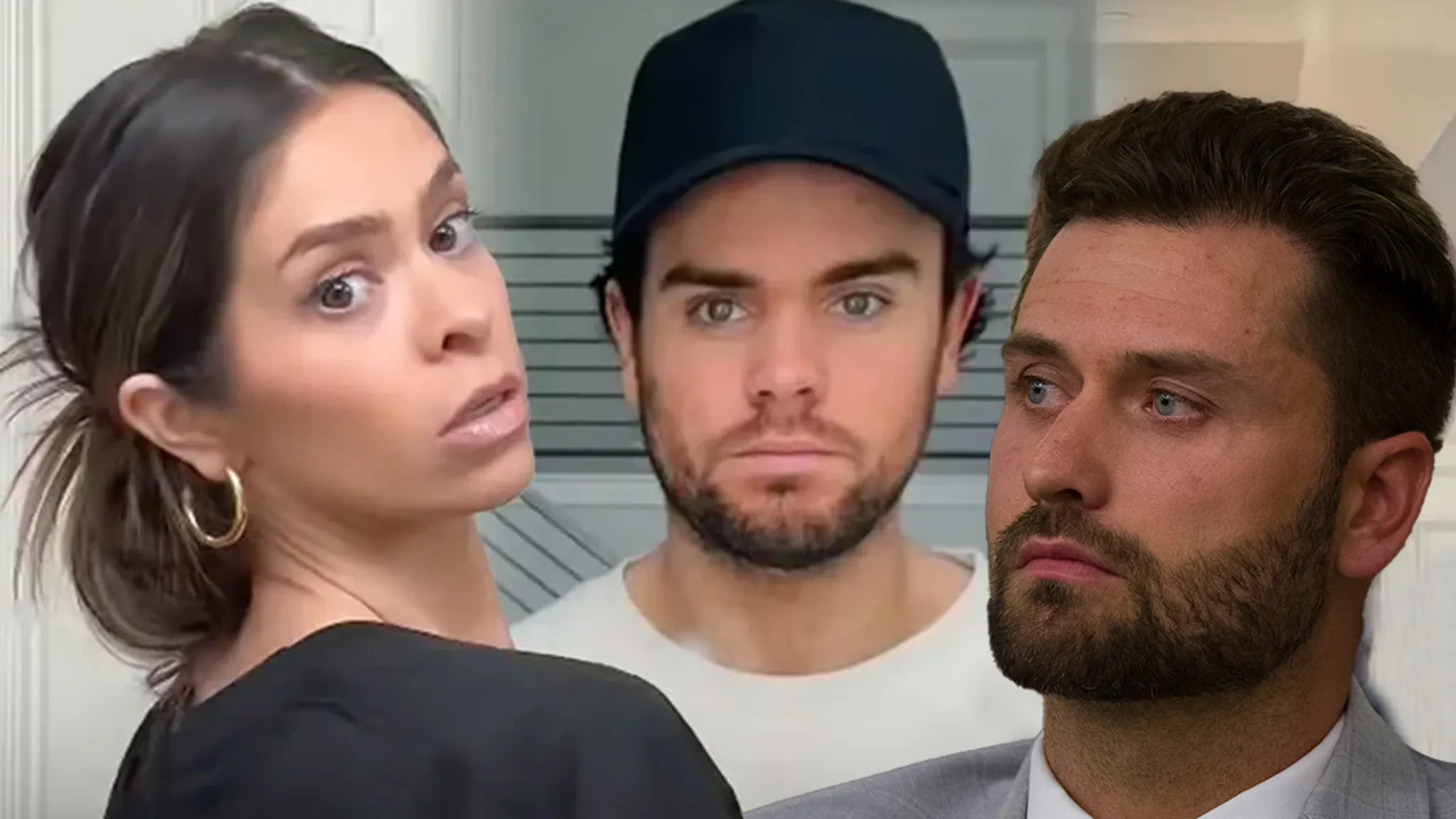
Taylor Frankie Paul Parenting Time Cut After Allegedly Failing Multiple Drug Tests
The reality TV influencer reportedly had her custody access restricted following court-mandated screenings.
1h ago
Reality TV
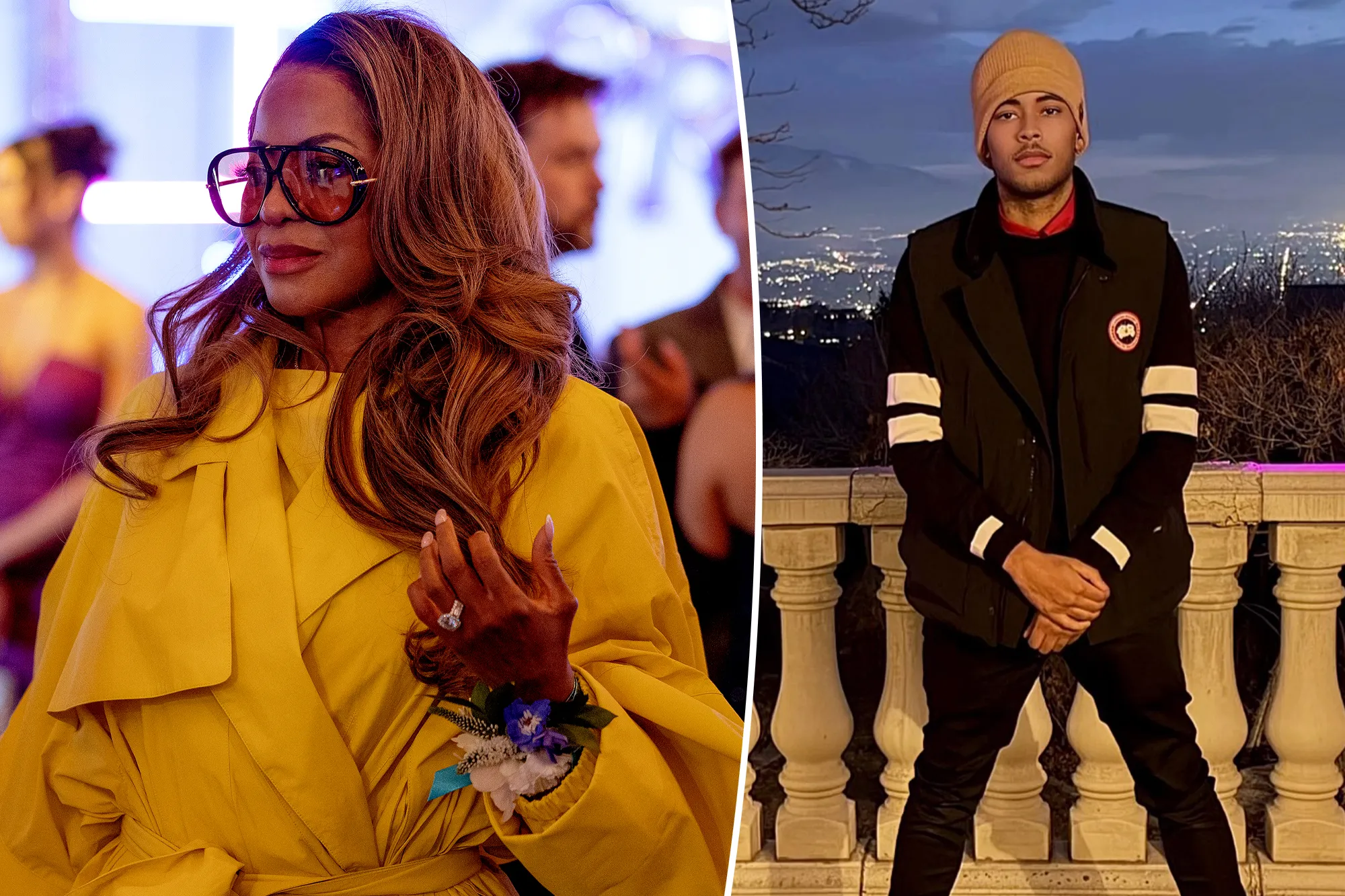
Mary Cosby Speaks Out on Returning to 'RHOSLC' Cameras Weeks After Son's Tragic Death
The reality star jumped back into production less than a month after losing her 23-year-old son, Robert Cosby Jr.
6h ago
Get the pop news brief
One daily email. The biggest celebrity, music and TV stories, no filler.
People also ask
- Why did the BBC cancel the Drag Race co-creator's show?
- The broadcaster dropped the program as part of broader cost-cutting measures driven by financial pressure.
- What did the Drag Race co-creator say about the cancellation?
- The creator warned that cutting the show points to a growing crisis for LGBTQ+ representation on mainstream television.
Reader reaction
Loading comments…