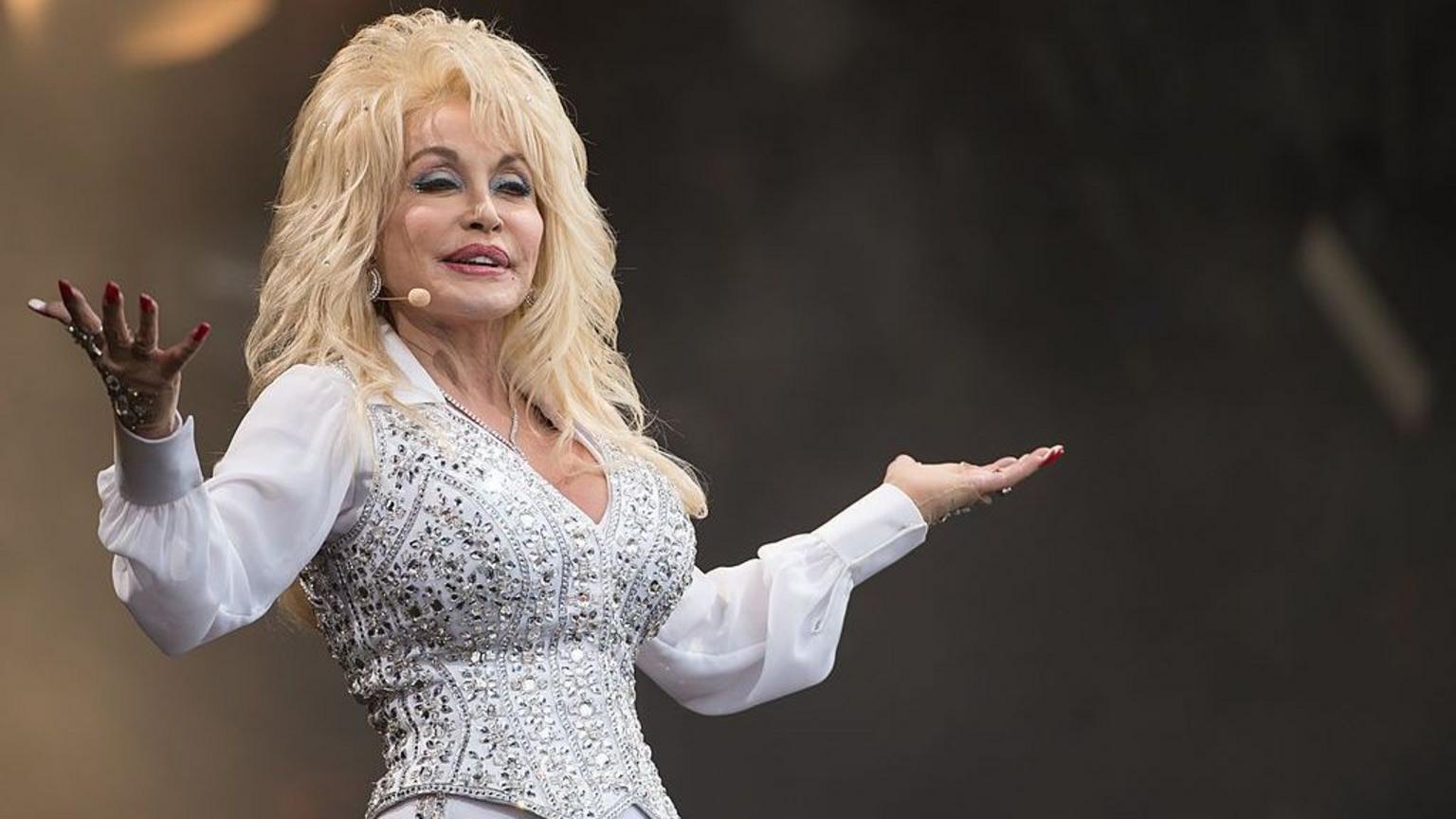
Dolly Parton Built Her Massive Fortune On Smart Business Moves Beyond Music
The country legend turned her showbiz stardom into a powerhouse business empire through smart ownership choices.
By Nina BrooksPublished Updated 2 min read
Dolly Parton might be world-famous for her sky-high blonde hair, crystal-clear vocals, and classic country hits, but her bank account is built on pure executive muscle. Long before celebrity brand empires were the industry standard, the music legend was quietly executing some of the smartest financial moves in entertainment history. While chart-topping singles and blockbuster movies made her a household name, it was her razor-sharp business sense that turned her superstar status into a staggering fortune. The foundation of her empire began with a simple yet revolutionary strategy: retaining ownership. Early in her career, Parton insisted on keeping her publishing rights, turning down deals that required her to give up control of her music catalog. That decision paid massive dividends for decades. Every time another superstar covered one of her self-penned hits, the royalties flowed straight back to her bank account, laying the groundwork for a long-lasting financial legacy.
How did Dolly Parton build her business empire?
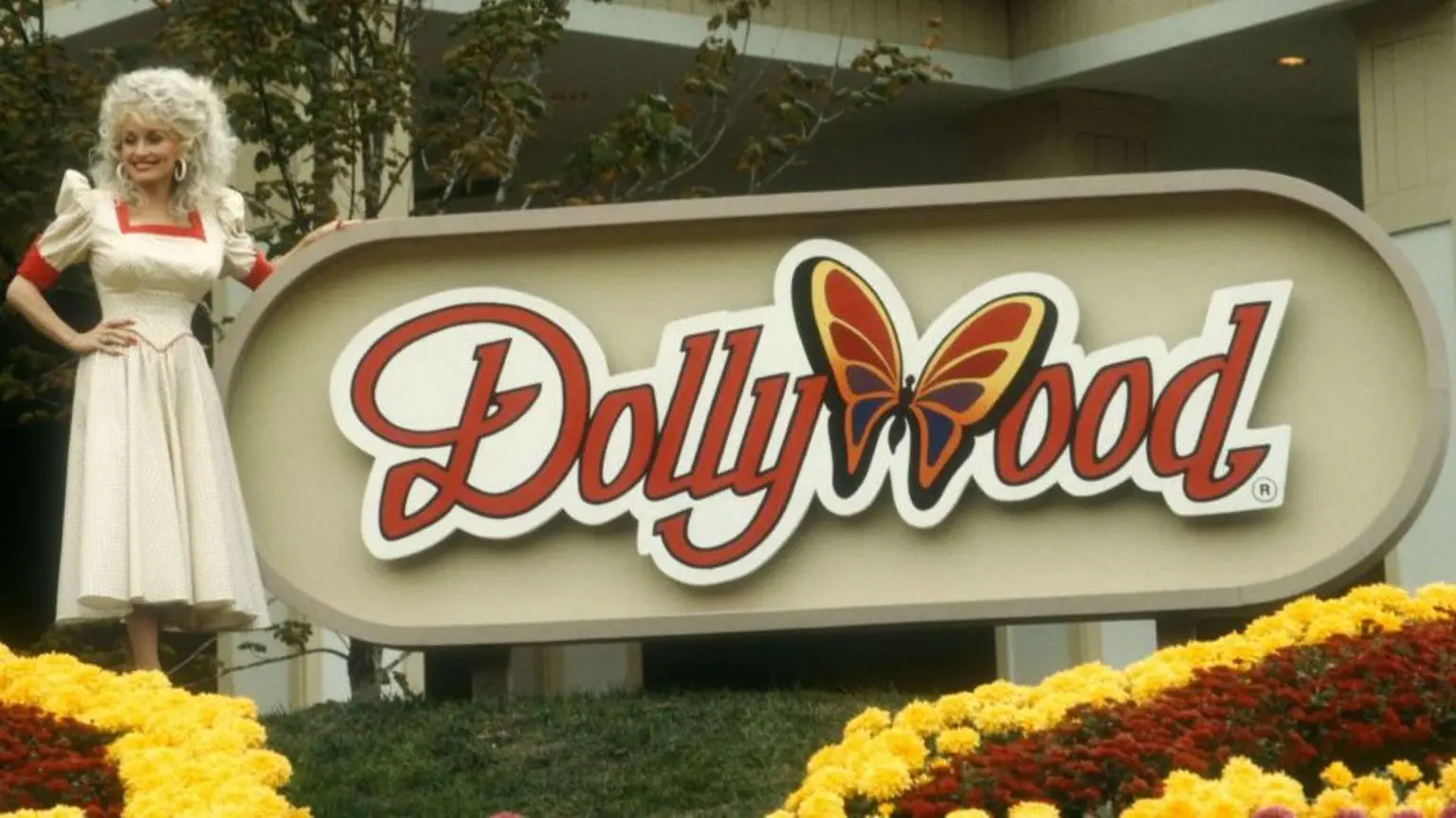
Parton did not restrict her ambition to the recording booth. Instead of relying solely on album sales and live tours, she branched out into themed entertainment and regional development. By backing major tourist attractions in her home state of Tennessee, she turned her personal brand into a brick-and-mortar hospitality powerhouse. The move brought thousands of jobs to the region while generating continuous, multi-million-dollar revenue streams that expanded far beyond the music charts. Her Hollywood crossover provided another massive boost to her overall portfolio. When Parton segued into feature films, she did not just show up as an actress for hire. She leveraged her screen charisma into soundtrack successes and long-term production opportunities. Her presence on the big screen reinforced her status as a multimedia heavyweight, attracting fresh audiences and deepening her cultural footprint across multiple generations.
Why is Dolly Parton considered a business pioneer?

What sets Parton apart from typical pop stars is her long-term vision. She recognized early on that music industry trends fluctuate, but intellectual property and physical real estate retain their value. By diversifying her earnings across music publishing, film production, television ventures, and hospitality, she created a self-sustaining business model that insulated her from the whims of the record business. Today, Parton stands as a masterclass in celebrity wealth creation. Her career offers a blueprint for modern stars looking to turn artistic acclaim into lasting financial independence. She proved that staying true to your roots and controlling your business destiny can turn a country music dream into an unbeatable global dynasty.
The photos · 3
More like this

Celebrity
Robert Kraft Pledges $2M To Palestinian Relief Amid Macklemore and Ed Sheeran Feud
The New England Patriots owner clarified his massive donation plan was set before Macklemore called him out.
4h ago
Celebrity
'I'd Never Wear Clothes': Texas Lawmaker Defends Sydney Sweeney's Steamy Ads
Congresswoman Beth Van Duyne says critics shaming Sydney Sweeney over her revealing commercials are simply jealous of the actress's figure.
7h ago
Celebrity
Dave Portnoy Blasts Macklemore as 'Antisemitic' in Fierce Defense of Robert Kraft
Barstool Sports founder Dave Portnoy is backing New England Patriots owner Robert Kraft 100 percent in his feud with rapper Macklemore.
3h ago
Get the pop news brief
One daily email. The biggest celebrity, music and TV stories, no filler.
People also ask
- How did Dolly Parton make her fortune?
- Dolly Parton built her wealth by retaining her music publishing rights, expanding into hospitality and tourism, and starring in successful film projects.
- Why did Dolly Parton keep her music publishing rights?
- Parton maintained control of her song catalog so she would receive royalty payments whenever her tracks were sold or covered by other artists.
Reader reaction
Loading comments…