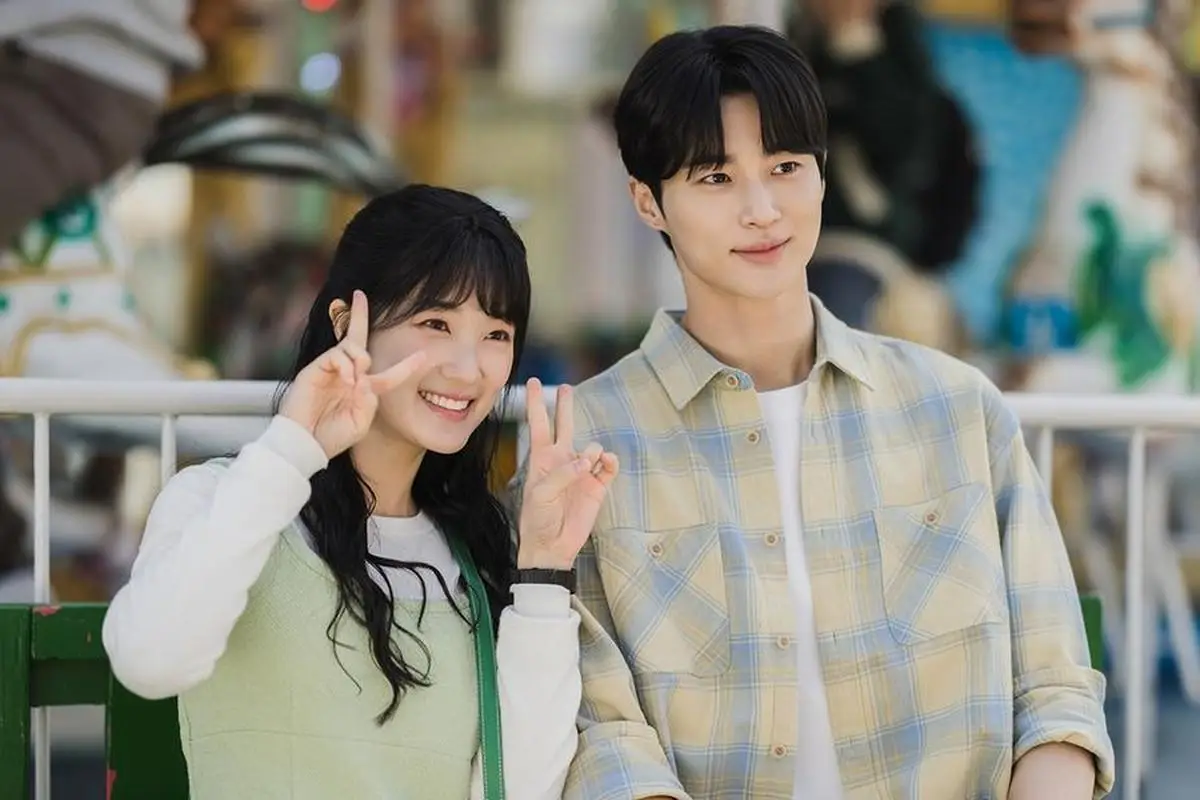
Destined to Be: Why Fated K-Drama Romances Continue to Captivate Fans Worldwide
From childhood encounters to impossible reunions, the timeless concept of meant-to-be love remains television's most powerful romantic hook.
By Nina BrooksPublished Updated 2 min read
Korean television dramas have earned an immense international following through heartfelt and intense romantic storytelling, but few formulas hold as much power as the concept of predetermined destiny. A fresh spotlight on the medium's most memorable couples highlights how the idea of fated love continues to captivate viewers. From chance reunions to bonds that span decades, these epic pairings make audiences believe that true love is written in the stars. At the core of these celebrated romances is a persistent pattern: no matter how much time elapses or how many obstacles emerge, the leads inevitably find their way back together. Reports examining the most enduring romantic tropes note that writers frequently weave invisible threads between characters long before they realize their own feelings.
Why Do Fated Love Stories Dominate Romance Dramas?
The enduring fascination with destined romance comes down to emotional stakes. When a series establishes that two protagonists belong together by fate, every conflict transforms into an epic test of devotion rather than a temporary misunderstanding. Whether characters face societal pressure, geographic separation, or severe personal crises, their repeated encounters reinforce the feeling that their connection cannot be severed. Viewers continuously return to these narratives because of the cathartic emotional payoff. According to reports analyzing viewer favorites, watching two individuals repeatedly cross paths despite overwhelming odds provides unmatched romantic tension. The narrative momentum relies on the promise of an eventual reunion, making every close call and near-miss all the more gripping for the audience.

What Makes Childhood Connections Resonate With Fans?
Among the most common devices used to emphasize destiny is the shared childhood background. In many prominent romantic storylines, the leads first meet during their youth, sharing a formative moment, a shared secret, or a mutual hardship before life forces them apart. When these characters cross paths once again as adults, that ancient connection adds instant emotional weight to their journey. It frames their adult dynamic not simply as a fresh infatuation, but as the continuation of an unfinished chapter. This storytelling device deepens viewer investment, transforming the romance into the fulfillment of a long-awaited reunion. As love stories continue to evolve on screen, the allure of meant-to-be soulmates remains an unshakeable staple of compelling television.
The photos · 6
More like this

TV & Film
Vijay Sethupathi Fights for Survival in Gripping First Look at 'Train'
The acclaimed star teams with director Mysskin for an adrenaline-fueled hostage thriller set on the rails.
14h ago

TV & Film
Hollywood Goes All In on Creator-Led Horror as Major Studios Snatch Up Online Auteurs
From Markiplier to Kane Parsons, studios are racing to turn viral sensations into the next wave of terrifying cinema hits.
18h ago

TV & Film
'Dive Into You' Nears Dramatic Climax as Villain's True Colors Emerge
High-stakes tension grips the suspenseful drama as the race to rescue Jung Woo Jae intensifies ahead of the final episodes.
13h ago
Get the pop news brief
One daily email. The biggest celebrity, music and TV stories, no filler.
People also ask
- Why are fated romances so popular in K-dramas?
- Destined love stories create high emotional stakes, giving viewers a deeply satisfying payoff as couples repeatedly overcome distance and obstacles to reunite.
- What is the childhood connection trope in romance dramas?
- The childhood connection trope occurs when romantic leads share a pivotal encounter in their youth, adding instant history and destiny to their adult relationship.
- k-drama
- korean drama
- television
- romance tropes
Reader reaction
No comments yet — be the first to weigh in.