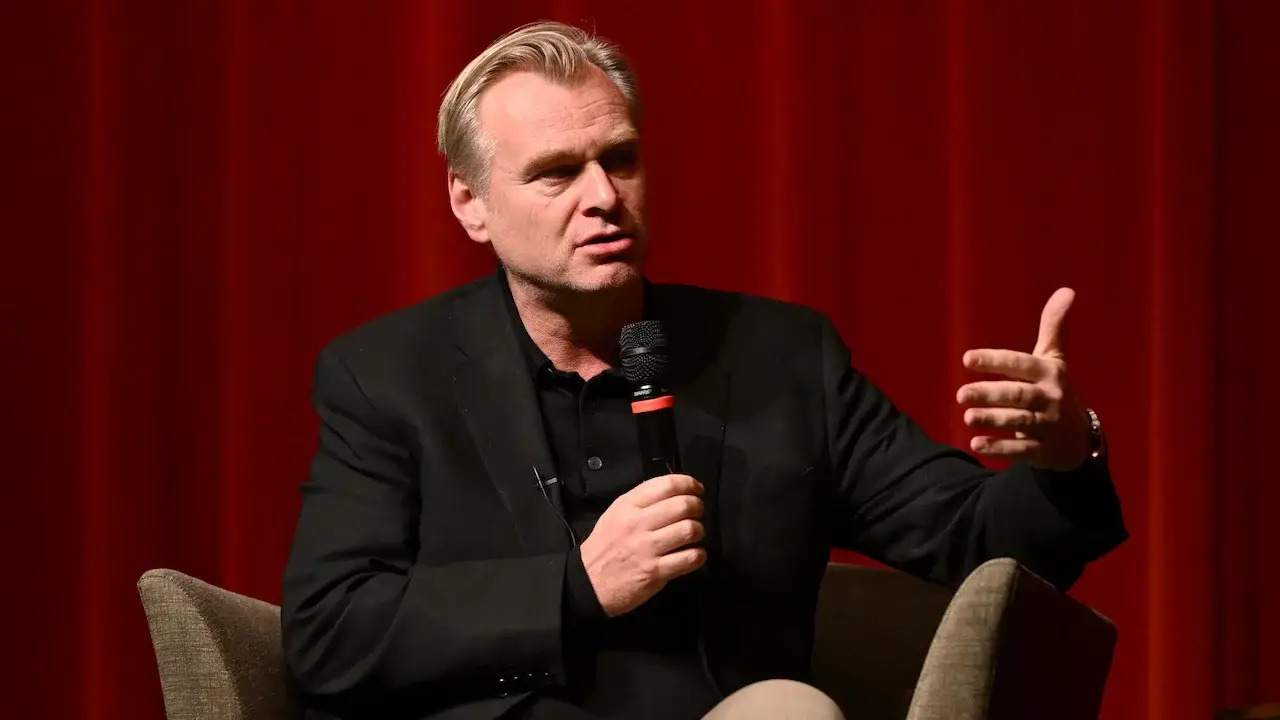
Christopher Nolan Demands Studios Step Up in Next Battle Over AI
The acclaimed director warns Hollywood executives must actively guard their copyrights rather than treating tech like an uncontrollable monster.
By Rae MitchellPublished Updated 2 min read
Christopher Nolan is sounding the alarm on the evolving battle over artificial intelligence in Hollywood. The acclaimed filmmaker believes the responsibility to protect cinematic art from digital exploitation now rests squarely with major entertainment companies. While praising the Directors Guild of America and the Alliance of Motion Picture and Television Producers for establishing strong contractual boundaries during their prior negotiations, the guild leader made it clear that union agreements are only half the fight. During an appearance on the "Hollywood Insiders" podcast, the director highlighted a crucial legal reality: filmmakers rarely own the underlying property of the movies they create.
Why Are Studios on the Hook for AI Protections?
Watch
Clips tied to this story.
Because production companies retain ownership of most major motion pictures, individual directors lack the legal standing to sue tech firms for unauthorized use of their work. According to the filmmaker, that leaves the defense of cinematic catalogs entirely in corporate hands. He explained that the union remains heavily focused on ensuring entertainment conglomerates actively enforce their intellectual property rights against outside tech encroachers. Guild members cannot initiate those legal defenses on their own because, aside from rare exceptions, directors do not hold the copyrights to the projects they helm. Without aggressive studio intervention, vast archives of human performance and craftsmanship risk being swept up into generative models without resistance from the actual rights holders.
How Is Corporate Hollywood Misleading the Public on AI?
Beyond legal maneuvering, the director pushed back forcefully against how executives and tech firms frame the entire conversation. He argued that the phrase artificial intelligence has become far too broad of an umbrella term, functioning as a convenient shield for companies seeking to avoid basic responsibility. In his view, corporate leaders deliberately depict the technology as an unruly modern Frankenstein monster—something that might spiral past human control and remake global culture without anyone bearing fault. He urged the industry to aggressively push back against that narrative, emphasizing that established statutes already exist to safeguard creators and their labor. With labor agreements now setting basic ground rules inside production pipelines, the director insists the next phase of the showdown depends on whether studios choose to defend their vaults or let algorithms feast on decades of cinematic history.
The photos · 5
More like this
TV & Film
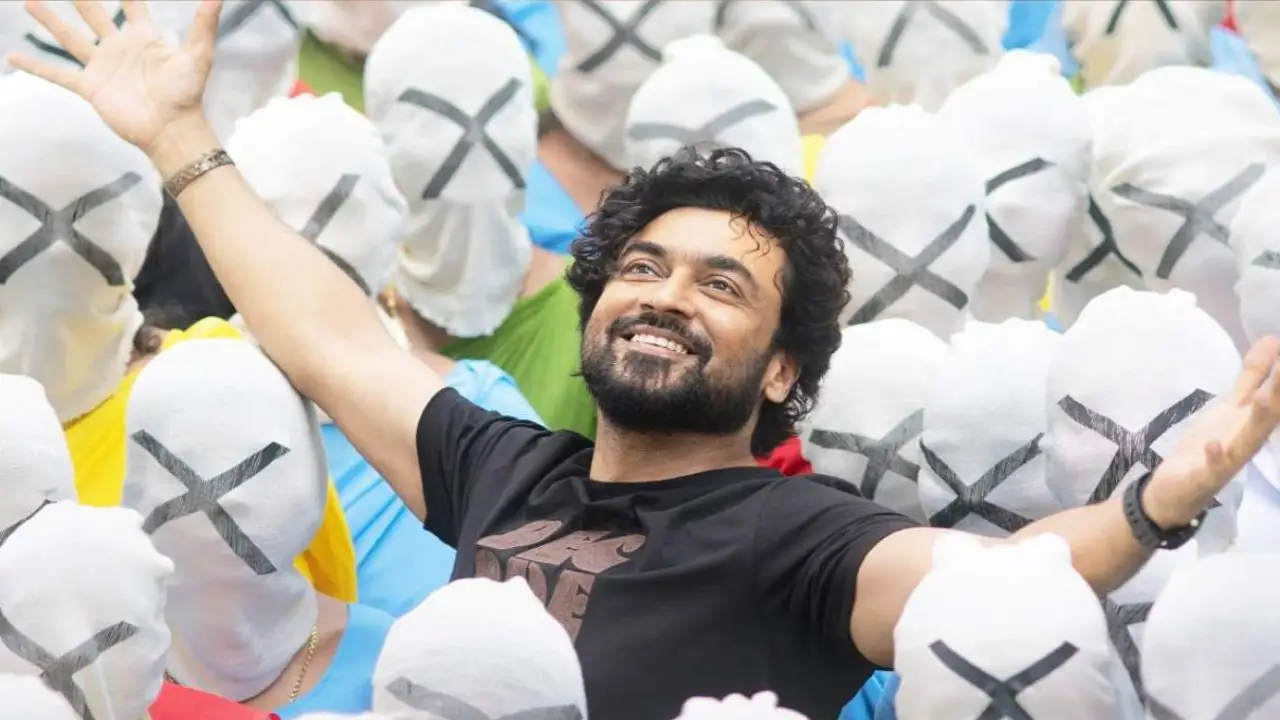
Suriya Scores Big As Cop Comedy 'Scene' Debuts With Rs 22.50 Crore
The Tamil superstar's third release of 2026 storms Indian theaters with massive opening-day numbers across multiple regions.
14h ago
TV & Film
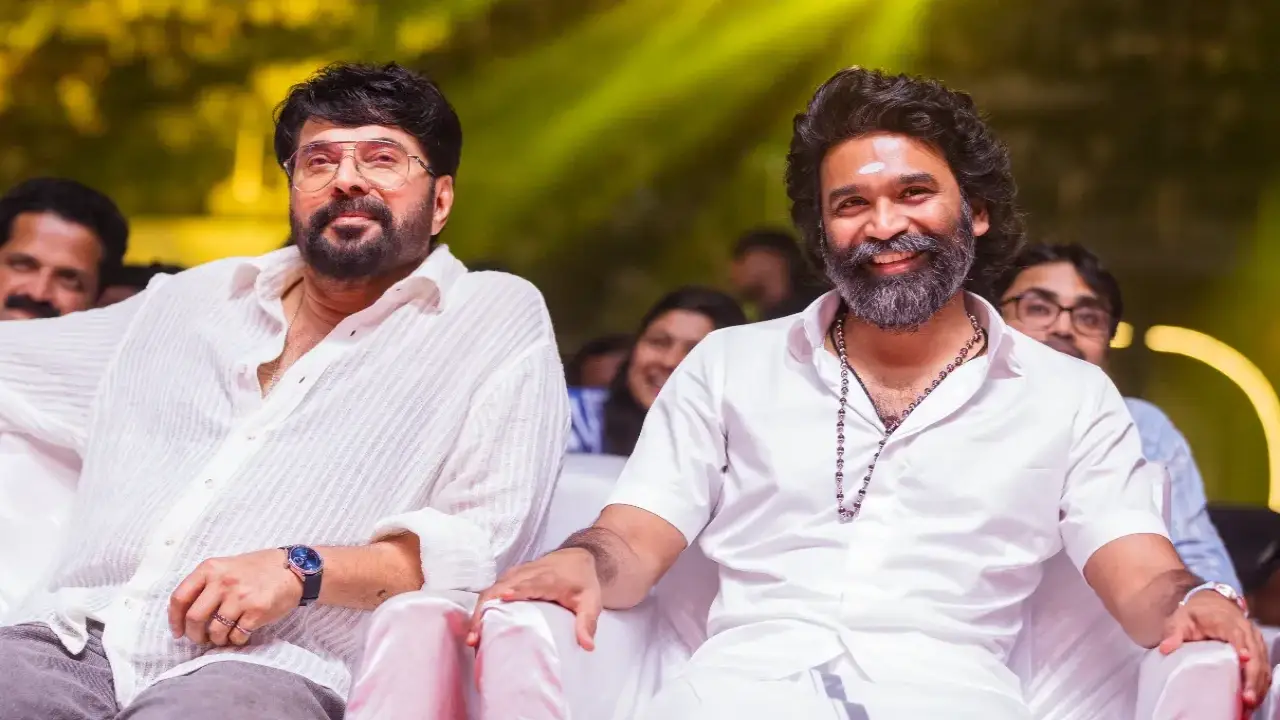
Dhanush Teases 'OM: Chapter 1' as a Packed Five-Hero Epic Alongside Mammootty
The actor rejects traditional multi-starrer labels while hyping co-stars Sai Pallavi and Sreeleela at a major promotional event.
17h ago
TV & Film
Nayanthara's 'Mookuthi Amman 2' Faces Mixed Fan Reviews Over Weak Screenplay
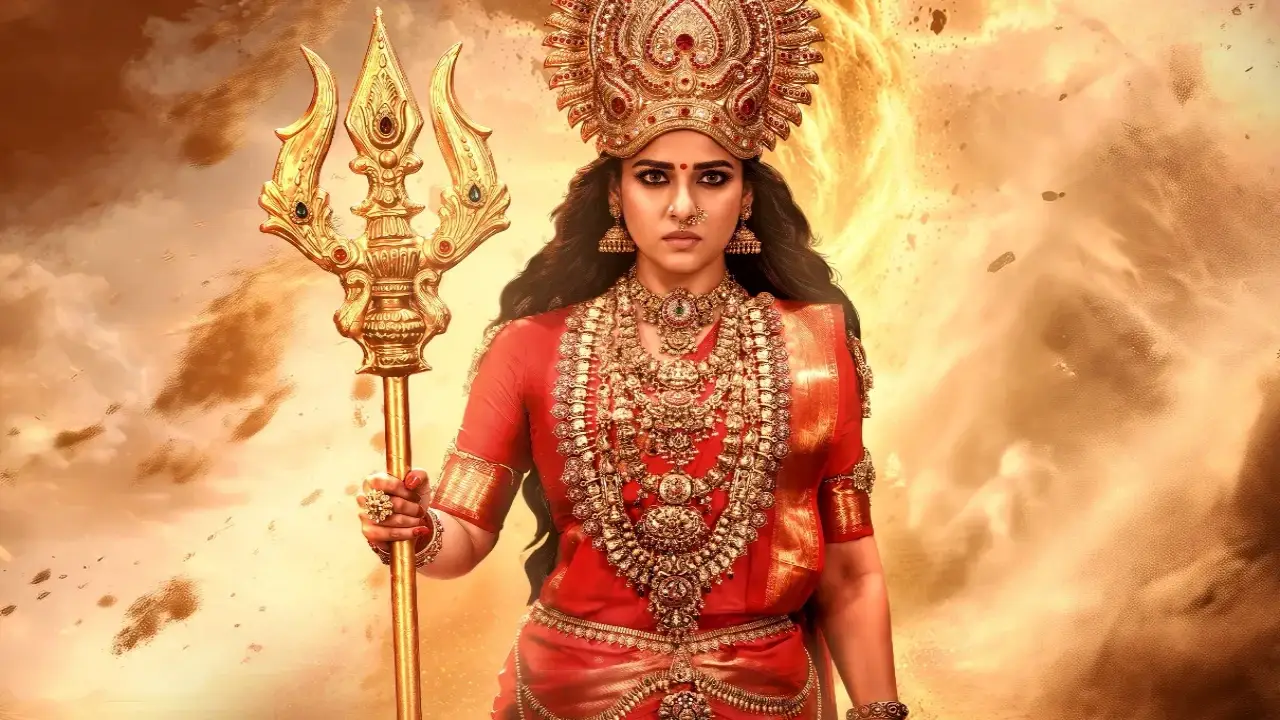
Early social media reactions criticize the comedy and visual effects in Sundar C's devotional sequel.
15h ago
Get the pop news brief
One daily email. The biggest celebrity, music and TV stories, no filler.
People also ask
- What did Christopher Nolan say about AI in filmmaking?
- He argued that studios must aggressively protect their movie catalogs from generative tech, warning that companies cannot treat artificial intelligence as an excuse to avoid corporate accountability.
- Why can't directors sue AI companies directly?
- With rare exceptions, studios and production companies own the legal copyrights to the films directors make, meaning only the studios have the authority to challenge copyright infringement.
- christopher nolan
- directors guild of america
- amptp
Reader reaction
No comments yet — be the first to weigh in.