Can Nathan Fielder’s Wild Elizabeth Holmes Film Actually Score an Oscar?
A $15 million opening gave A24 a historic box office win, but Academy voters may not know what to make of the surreal project.
By Rae MitchellPublished Updated 2 min read
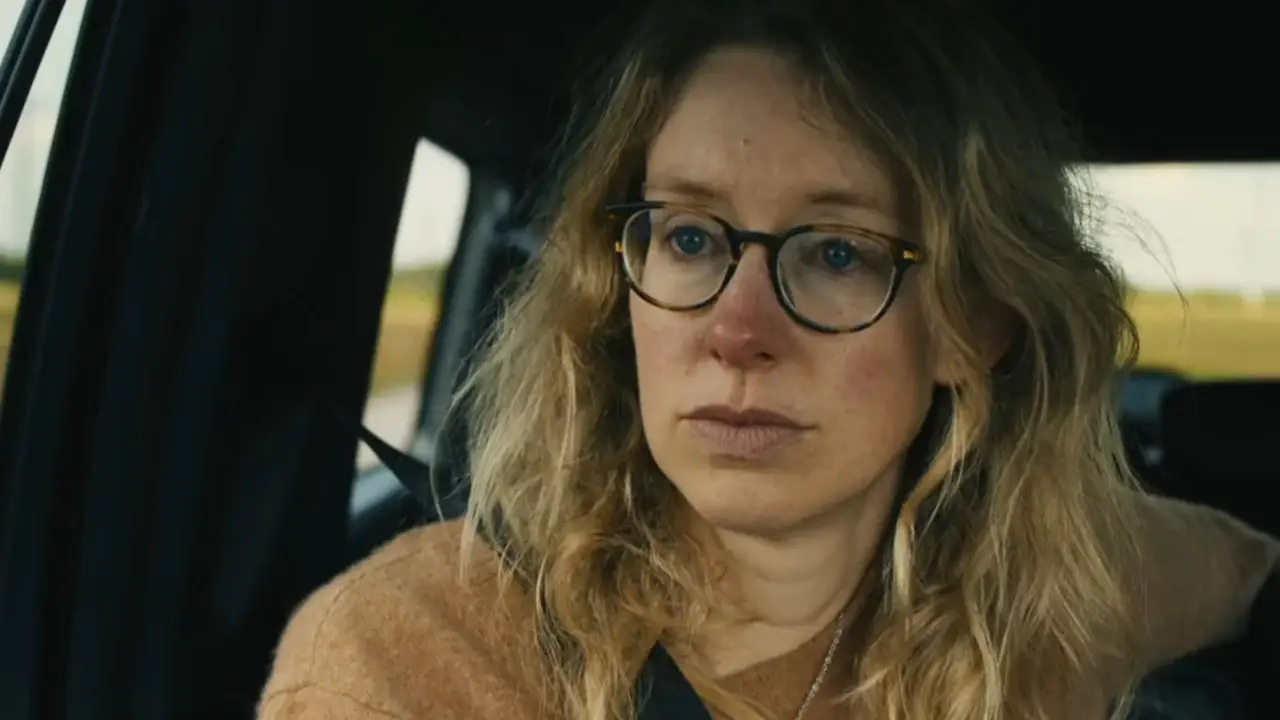
The race for the Academy Awards just ran into its strangest contender yet. Nathan Fielder and Lance Oppenheim have turned Hollywood upside down with their new Elizabeth Holmes project, *You Can See Everything*, leaving industry insiders wondering if Oscar voters are bold enough to embrace a nonfiction film that plays by zero traditional rules. The A24 release first blindsided festival-goers during an unannounced screening on Sept. 6 at Telluride. Ever since, it has dominated social feeds, fueled by promotional clips that had analysts dissecting the disgraced Theranos founder’s chilling smile and unblinking gaze. Moviegoers turned that viral fascination into cold, hard cash, driving the title to a staggering $15 million domestic start. That performance marks the highest opening weekend haul for any documentary in over a decade.
Can Nathan Fielder Crash The Oscars Race?
Box office dominance usually guarantees serious attention from Academy members, but the documentary branch is notoriously conservative. Traditional voters often favor emotionally grounded humanitarian stories and conventional journalism over surrealist experiments. Fielder’s signature brand of awkward, reality-bending trickery makes the project hard to categorize, presenting a puzzle for awards strategists. Reports indicate that audiences cannot easily discern where reality stops and performance art begins. Both the fallen biotech entrepreneur and the comedic filmmaker operate as unreadable figures throughout the runtime. Rather than delivering a simple investigative breakdown of corporate fraud, the filmmakers lean into paranoia and misdirection. That creative gamble could either energize adventurous voters looking for innovation or instantly alienate purists who expect strict reportage.
Why Is The Elizabeth Holmes Movie Dividing Critics?
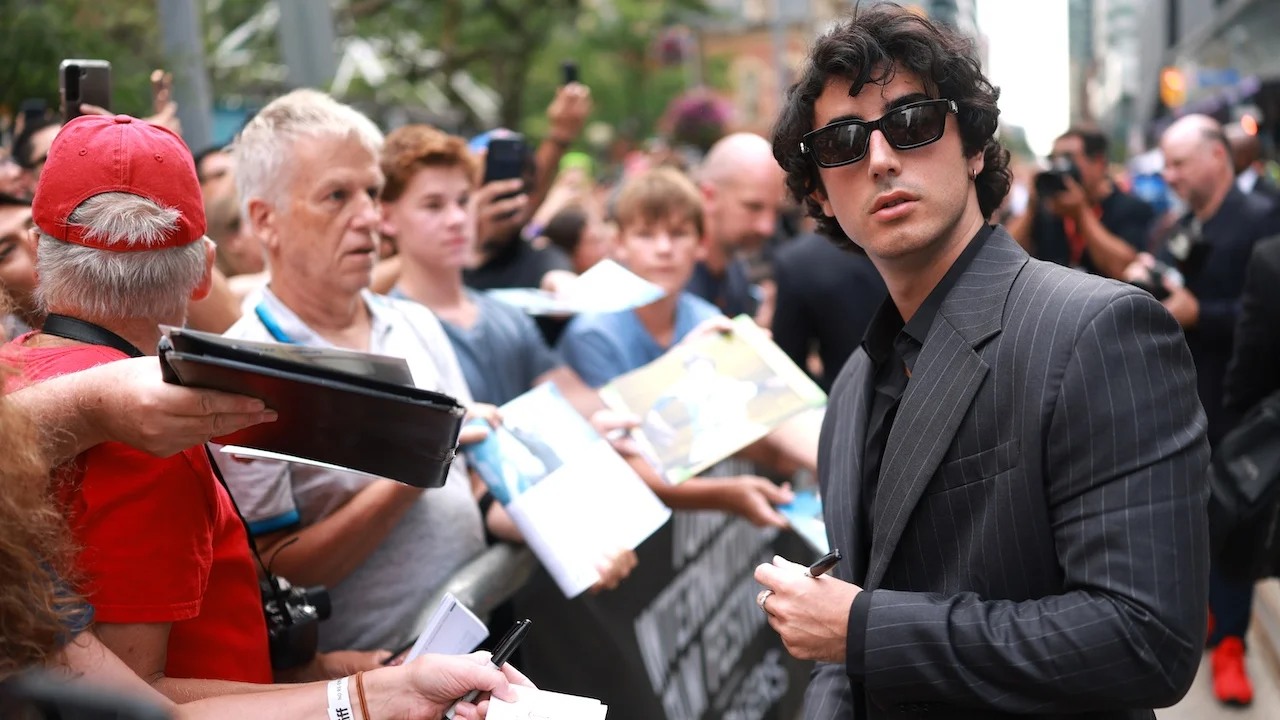
Much of the intrigue surrounding the campaign stems from whether voters view the release as a legitimate nonfiction achievement or a high-concept prank. The fall season already boasts competitive, narrative-heavy cinema, including extended epics like *Digger*, yet Oppenheim and Fielder’s collaboration remains the most talked-about release on the circuit. If the studio manages to turn this chaotic buzz into official voting momentum, *You Can See Everything* could disrupt the entire documentary category. For now, awards prognosticators are left guessing whether the Academy will celebrate a bold pop-culture milestone or shut it out completely when nominations arrive.
The photos · 6
More like this
Awards & Red Carpet
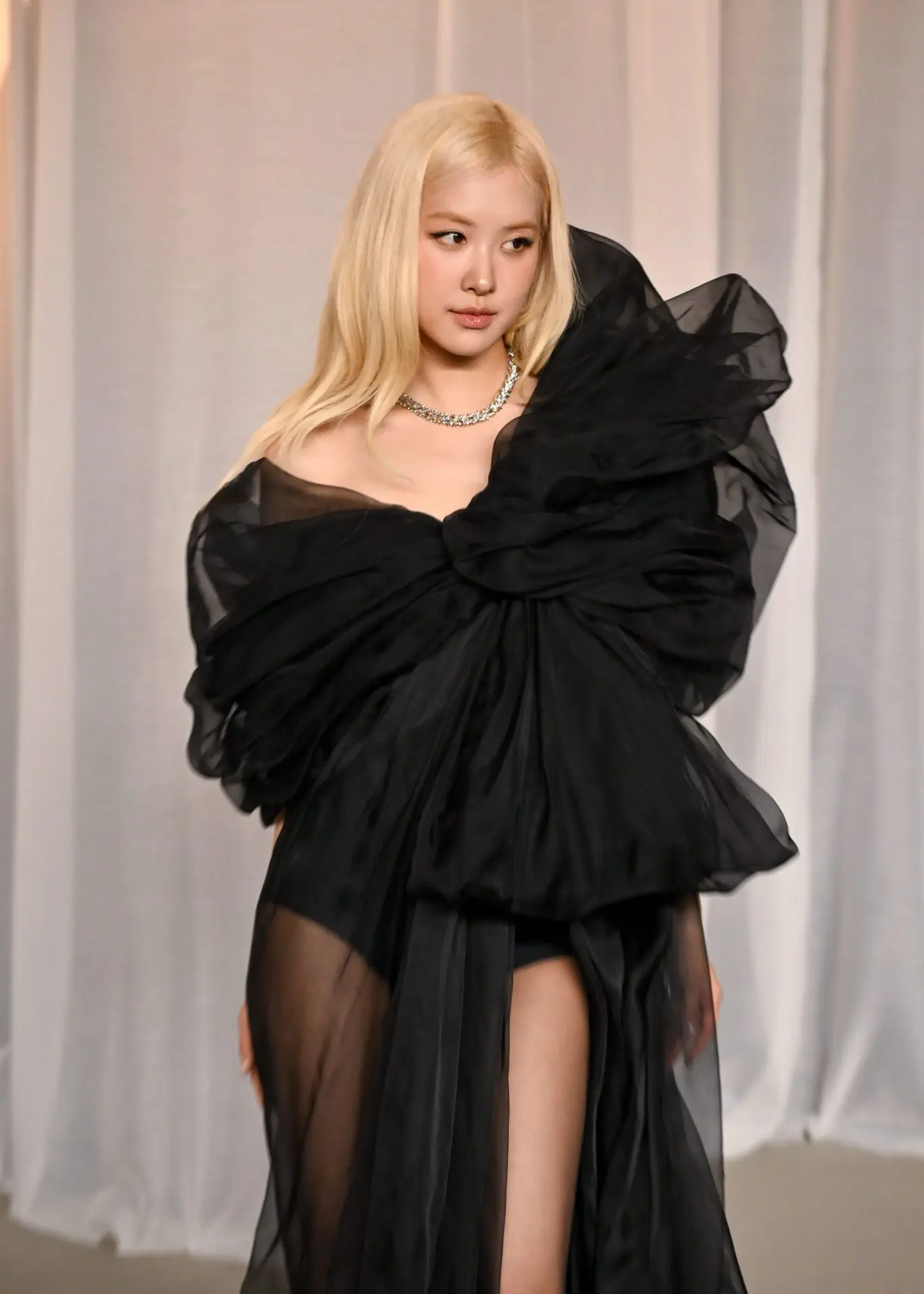
BLACKPINK Star Rosé Divides Fans With Academy Museum Gala Debut
The K-pop sensation stepped out at the star-studded Los Angeles gala, but her red carpet style quickly sparked debate online.
13h ago
Awards & Red Carpet
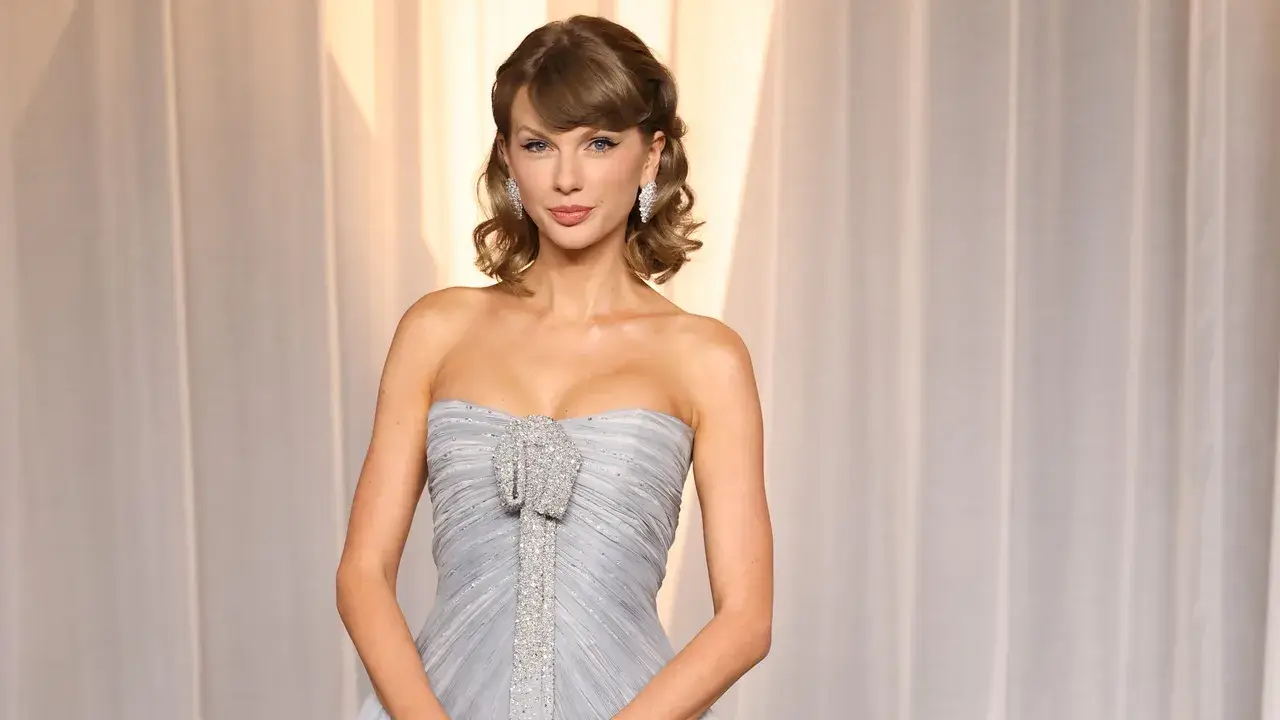
Taylor Swift Dazzles in Custom Dior at the Academy Museum Gala
The pop superstar turned heads with a dramatic curly lob and bespoke couture ahead of her headline gala set.
22h ago
Awards & Red Carpet
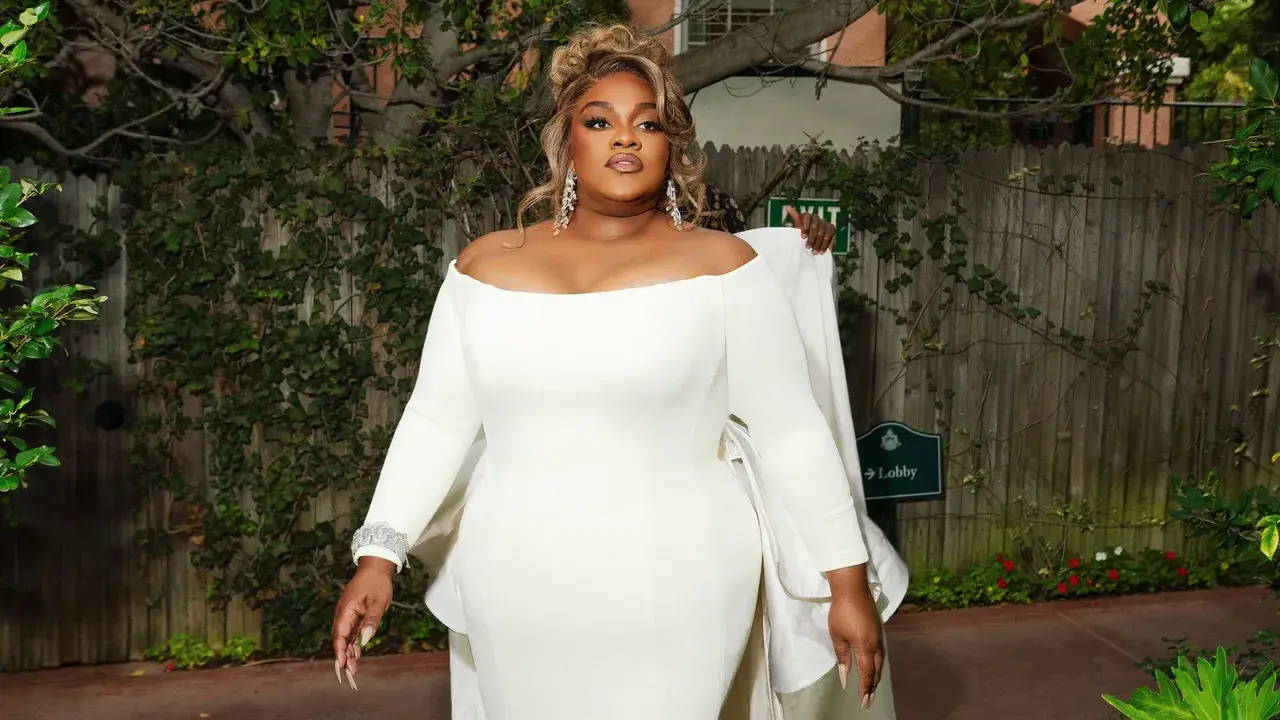
Da’Vine Joy Randolph Delivers Pure Drama in Custom Louis Vuitton at Academy Gala
The Oscar champion turned heads on the red carpet with a high-glamour look built to celebrate curves and elegance.
8h ago
Get the pop news brief
One daily email. The biggest celebrity, music and TV stories, no filler.
People also ask
- What is the Elizabeth Holmes documentary directed by Nathan Fielder?
- The film is titled 'You Can See Everything,' directed by Nathan Fielder and Lance Oppenheim and distributed by A24.
- How much money did the Elizabeth Holmes movie make opening weekend?
- The film brought in $15 million during its debut weekend, marking the biggest opening frame for a documentary in 13 years.
- Could 'You Can See Everything' get nominated for an Academy Award?
- While its box office success and buzz make it a high-profile contender, awards experts question whether traditional Oscar voters will embrace its unconventional, surreal style.
Reader reaction
No comments yet — be the first to weigh in.