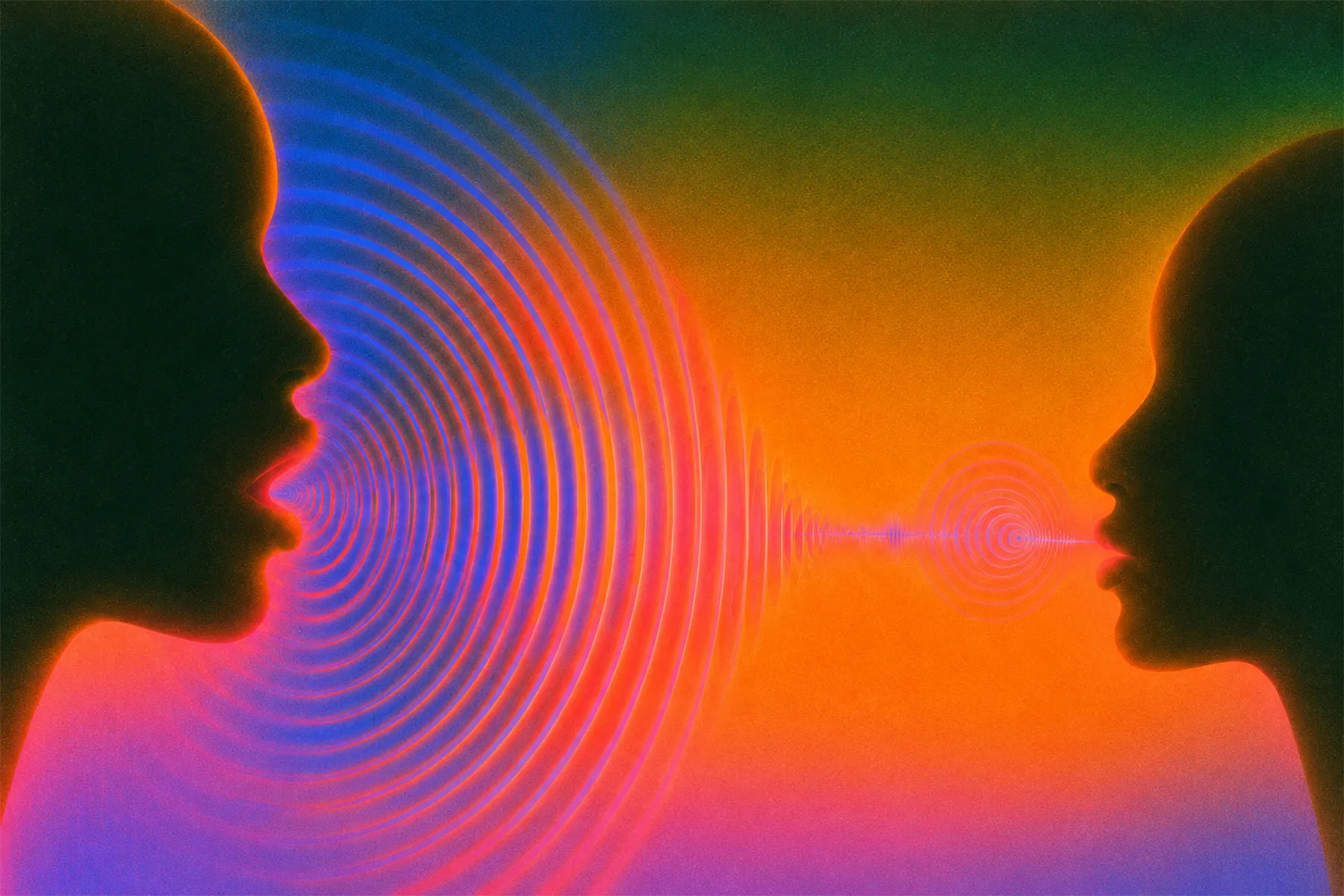
Are Big R&B Vocals Making a Comeback? Inside the Great Vocal Debate
From church-trained powerhouses to moody SoundCloud vibes, fans are arguing over what happened to real R&B belters.
By Nina BrooksPublished Updated 2 min read
For decades, the rhythm and blues landscape was defined by absolute powerhouse vocalists. These were performers who honed their skills in church choirs and went on to rule the charts throughout the 1990s with jaw-dropping vocal runs, soaring belts, and incredible church-bred conviction. But as the 2010s arrived, those massive vocal displays gradually retreated from the spotlight, making room for a completely different sonic approach. During the turn of that decade, a major shift transformed the music scene. A new wave of talent overhauled the classic R&B formula by prioritizing moody atmosphere, distinct vocal tones, and personal lyricism over classic vocal acrobatics. Fueled by online hubs like Tumblr and SoundCloud, this movement swapped traditional hit-making machinery for an ethereal, internet-first sensibility.
What happened to traditional R&B belting?
Pioneered by stars like Frank Ocean, The Weeknd, Jhené Aiko, and Miguel, this sound reshaped how modern audiences consumed R&B. Their low-key, vibe-heavy tracks paved the way for offshoots like trap soul, alternative R&B, and ambient "vibe&B." While these subgenres generated huge hits and defined a generation, they also left traditional, virtuosic vocal techniques sitting on the back burner. The shift hasn't gone unnoticed by long-time listeners. On social media, music fans regularly engage in heated debates over the state of modern vocal ability. Commentators frequently ask whether raw singing talent has been permanently replaced by mood-setting production and chill bedroom-pop aesthetics.
Are powerhouse R&B singers making a comeback?
The undeniable demand for big vocals was recently underscored when icon Chaka Khan appeared on the popular studio show COLORS. Delivering a triumphant, full-throated belt of her signature classic "Through the Fire," the R&B legend gave audiences a striking reminder of what church-trained, old-school singing really sounds like. Her performance quickly stirred up massive conversation online, highlighting a clear public appetite for showstopping vocalists. As a new generation of talent steps into the spotlight, the industry is watching to see if classic belting can mount a true mainstream comeback or if low-key vibes will continue to reign supreme.
More like this
Music
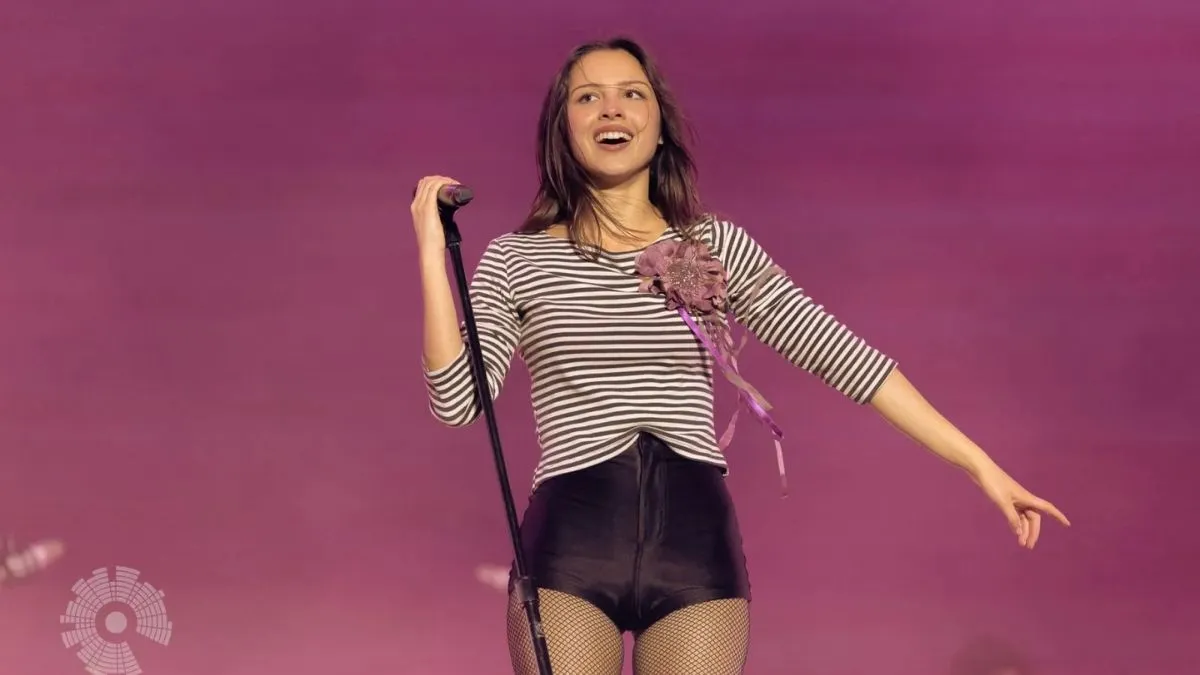
Olivia Rodrigo 'Unraveled Tour' Tickets: How To Score Cheap Passes
Missed out on Olivia Rodrigo tickets when they sold out in minutes? Here is how to snag last-minute passes before the tour starts.
8h ago
Music
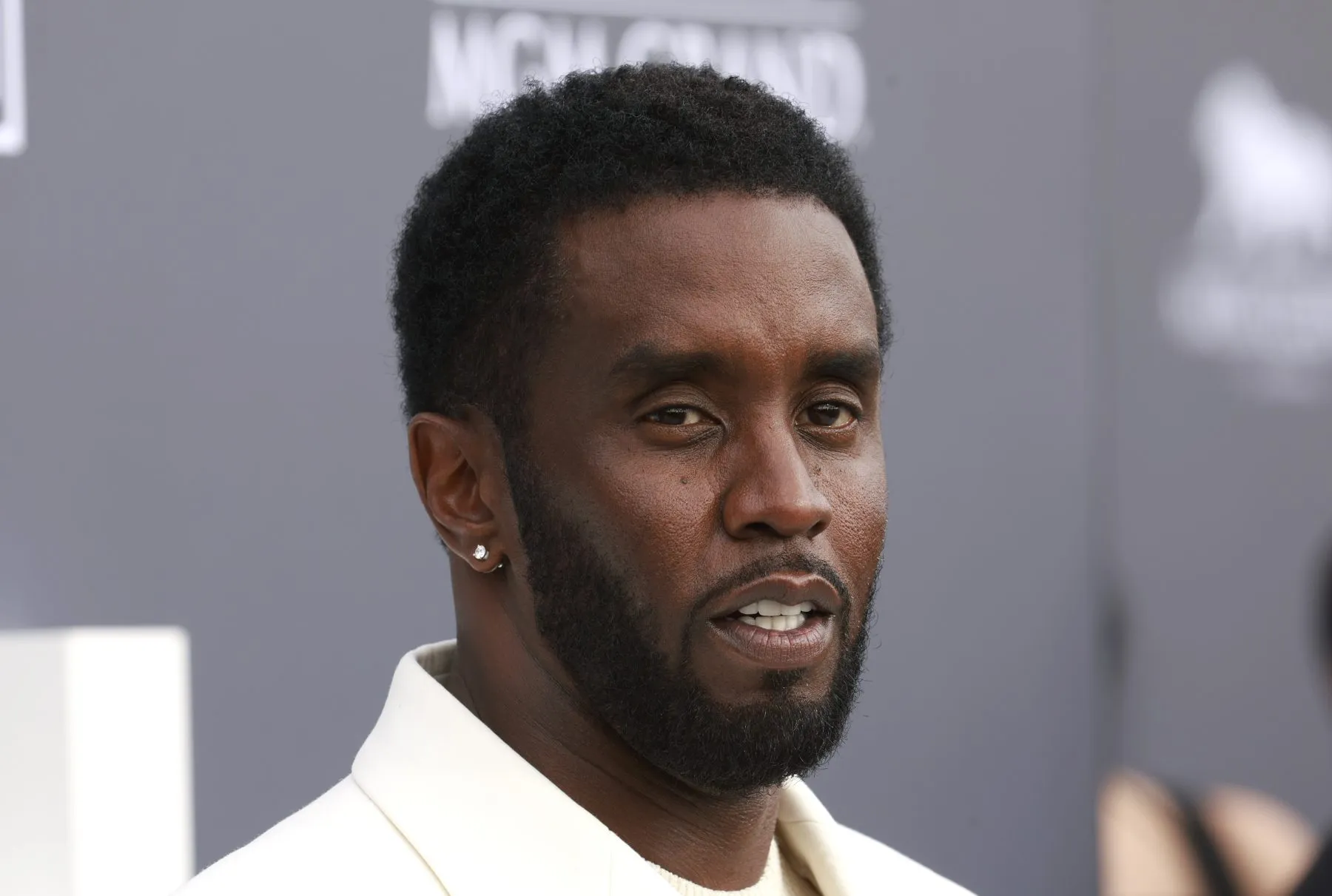
Diddy Dropped by NYC Law Firm Over Unpaid Legal Bills
The music mogul's civil defense team filed to walk away after six months of missed payments and ghosting.
9h ago
Music
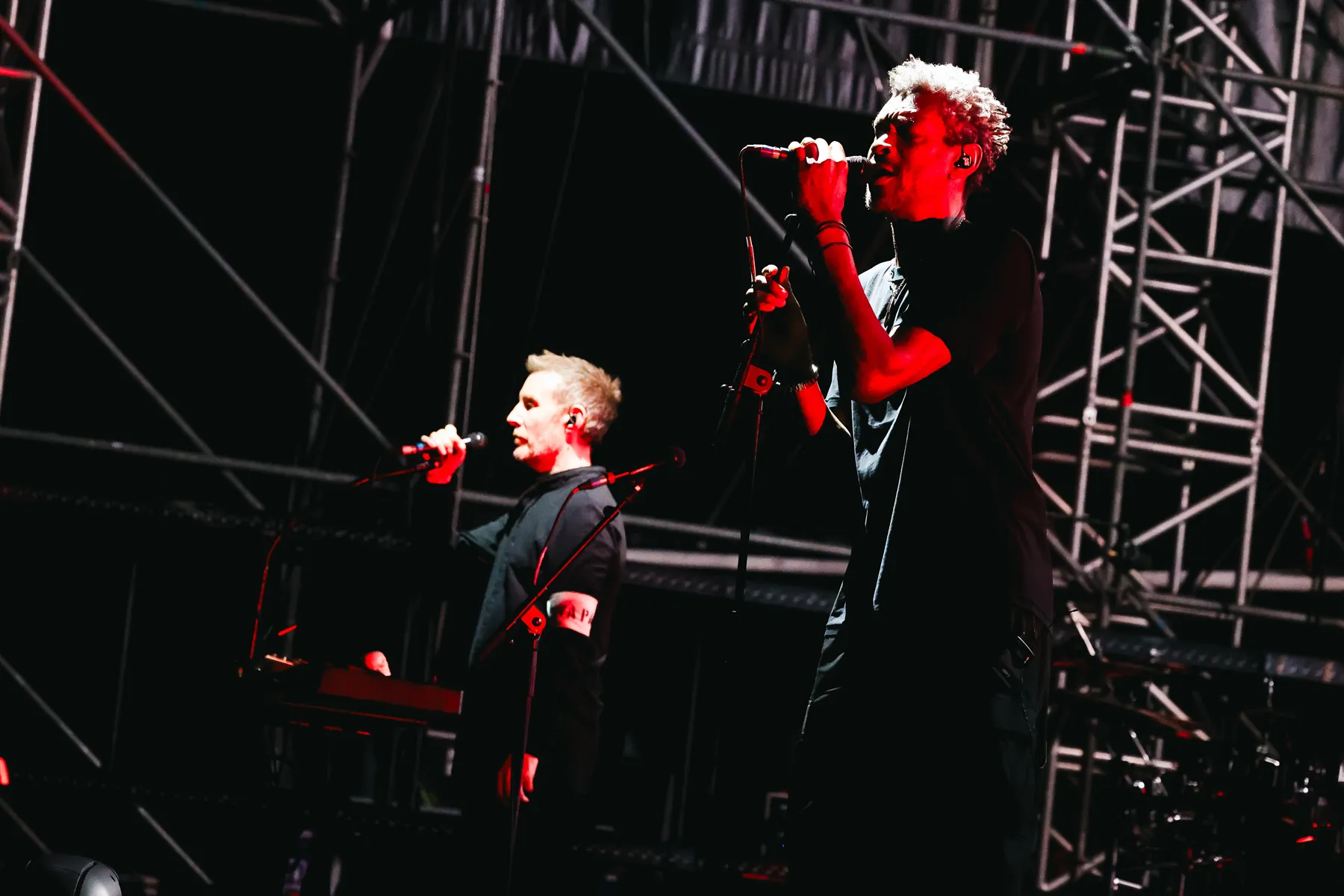
Massive Attack And Garbage Call Out Ed Sheeran Over Macklemore Tour Drama
Alt-rock icons are calling out the pop superstar after Macklemore was removed from his tour lineup, warning against censorship in the music industry.
12h ago
Get the pop news brief
One daily email. The biggest celebrity, music and TV stories, no filler.
People also ask
- Why did big vocal performances fade in modern R&B?
- In the 2010s, R&B shifted toward ambient production, mood-focused songwriting, and low-key vocal tones popularized on platforms like SoundCloud and Tumblr.
- Which artists pioneered the shift to alternative R&B?
- Key figures including Frank Ocean, The Weeknd, Jhené Aiko, and Miguel led the transition toward understated R&B soundscapes.
- What brought old-school R&B vocals back into the viral conversation?
- R&B icon Chaka Khan sparked wide social media debate after delivering a powerful performance of her classic song "Through the Fire" on COLORS.
Reader reaction
Loading comments…