
TV & Film
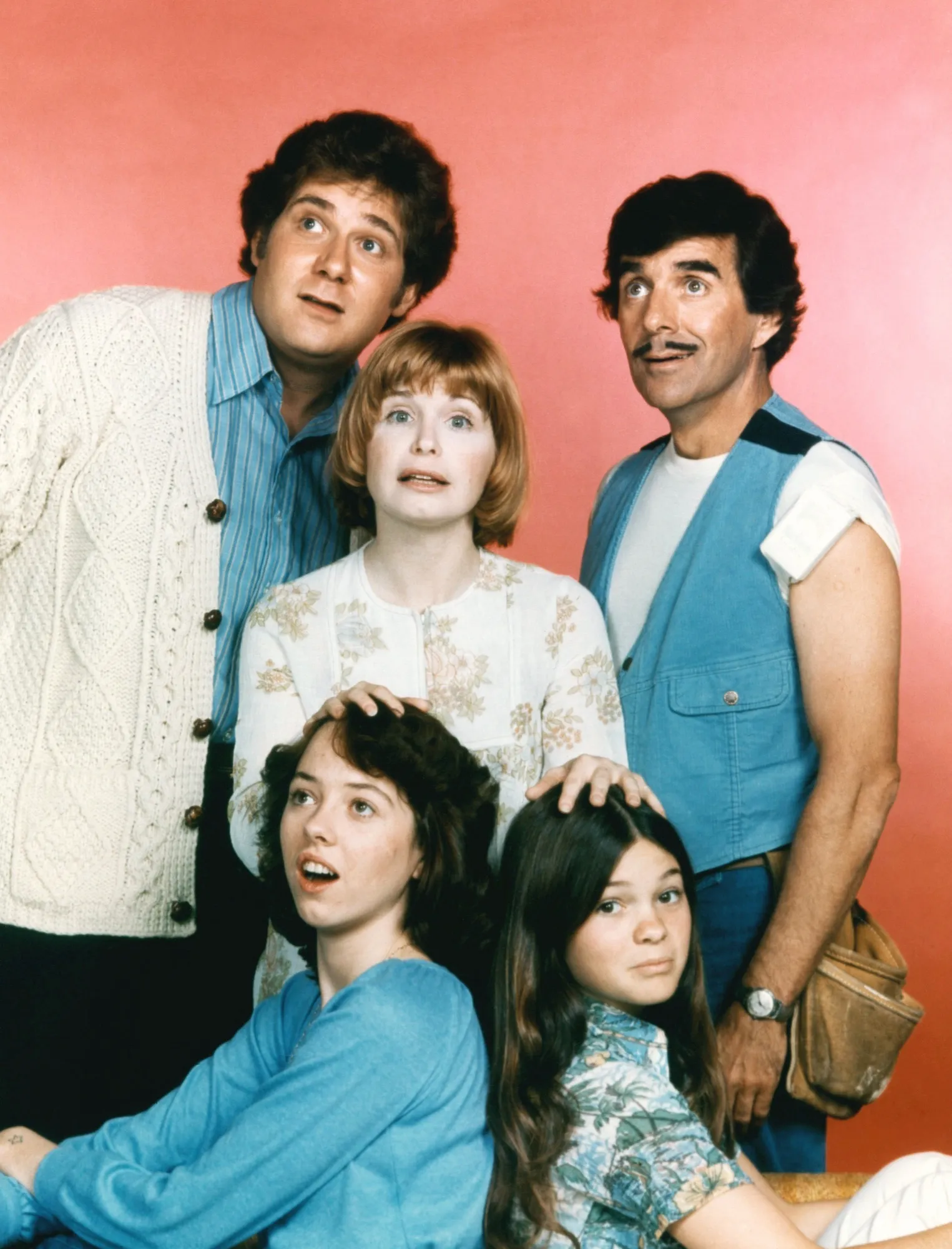
Mackenzie Phillips Exposes 'One Day At A Time' Set Friction With Costar Richard Masur
Sep 13, 2026

Star file
television executive · creator
3 stories · latest Sep 13, 2026 · TV & Film
Norman Lear is a legendary television executive and series creator recognized for his impact on the entertainment industry. He established a lasting presence in network television through hit programs and classic sitcom development.
Lear created the iconic 1970s CBS sitcom One Day at a Time, which premiered in 1975 and centered on single mother Ann Romano, played by the late Bonnie Franklin. The landmark series featured costars Mackenzie Phillips, Valerie Bertinelli, and Richard Masur. Lear built a monumental legacy as a prolific television force whose body of work continues to influence small-screen hitmakers and elite creators across the industry.
Lear remains a major figure in television history, holding the record as the oldest Emmy winner recognized by the Television Academy. His influence is also commemorated through the Norman Lear Award, an elite industry honor presented at events celebrating influential showrunners and television masterminds.
The Norman Lear shelf
Aug 18, 2026
Producer Ryan Murphy accepted the prestigious Norman Lear Award at an industry showrunner breakfast.
Ryan Murphy Gets Emotional Winning Norman Lear Award at Star-Studded Showrunner Breakfast
Sep 6, 2026
Octavia Spencer won an Emmy Award, preserving Norman Lear's title as the oldest Emmy winner.
Octavia Spencer Wins First Emmy, Stopping Sir David Attenborough's Historic RecordSep 13, 2026
Mackenzie Phillips reflected on working on the 1975 CBS sitcom One Day at a Time, created by Norman Lear.
Mackenzie Phillips Exposes 'One Day At A Time' Set Friction With Costar Richard MasurNorman Lear holds the title as the oldest Emmy winner recognized by the Television Academy.
Norman Lear created the CBS hit sitcom One Day at a Time, which premiered in 1975.
The Norman Lear Award is an industry honor presented to prominent television showrunners and creators to recognize executive legacy.