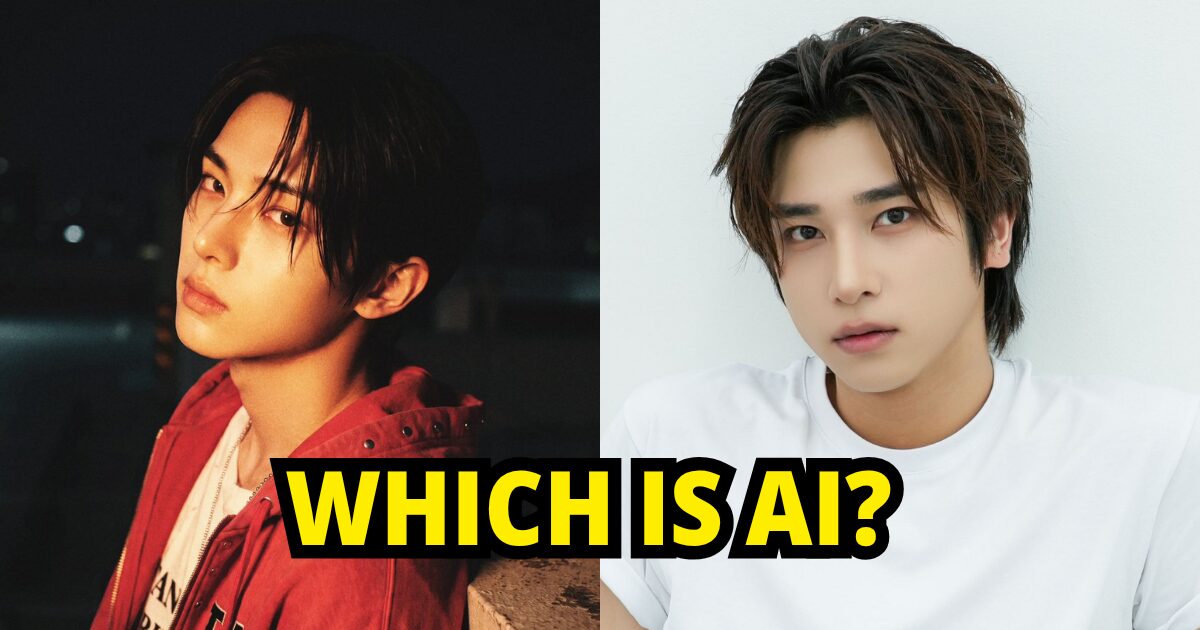
New AI Boy Group Faces Backlash Over Claims It Stole Idols' Faces
Fandoms express outrage as a hyper-realistic digital music act is accused of lifting facial features from established stars.
By Nina BrooksPublished Updated 2 min read
The arrival of a brand-new artificial intelligence boy band is sparking outrage across the music world, with online fans calling the project unsettling and accusing creators of lifting facial features from active performers. Virtual performers are no longer novel in South Korea, but the latest digital ensemble has hit a nerve. Instead of embracing the release, critics quickly flooded online spaces to highlight glaring visual similarities between the computer-generated members and established stars. Commenters described the likenesses as freaky, voicing alarm over how closely the digital renders mirror existing talent.
Why Are K-Pop Fans Calling The New Group Freaky?
Watch
Clips tied to this story.
The intense pushback centers on ethical questions surrounding identity and likeness. Rather than presenting original, stylized characters, the project features models that look shockingly close to actual human beings. Social media users argue that several faces appear to be direct composites of well-known male idols currently promoting in the industry. Fandoms are calling out the creators for what they view as unauthorized borrowing of real people's physical traits. Observers noted that the rendering technology has crossed into uncanny territory, leaving many viewers thoroughly unsettled. The debate has escalated concerns over how artificial intelligence models are trained, specifically whether developers scraped photos of working musicians without consent.
How Does The New Act Differ From Earlier Virtual Groups?
The music scene previously experimented with digital artists, but those projects took a noticeably different approach. Past efforts like the all-virtual girl group MAVE: and the blended concept group SUPERKIND pushed the boundaries of tech-driven pop. However, those concepts made it obvious from the start that the avatars were synthetic creations, relying on visible animation styles rather than hyper-realistic replicas. Both MAVE: and SUPERKIND have since ceased activities and disbanded, yet their visual direction rarely drew accusations of outright face-stealing. Their designs leaned heavily into game-style graphics that felt clearly separated from actual people. Rapid technological leaps have completely changed the landscape. With generative imaging advancing at a dizzying pace, virtual idols look less like video-game protagonists and more like living individuals. That precision is precisely why the newest act is facing such a severe public backlash, as supporters of human idols demand greater protection for their favorite stars' likenesses.
More like this

K-Pop & Asia
Remembering Sulli: Fans Honor Enduring Legacy Of Former f(x) Star
Looking back at the life and impact of former f(x) member and actress Sulli following her tragic passing at age 25.
11h ago
K-Pop & Asia
Lee Soo Man Launches A2O LITE and A2O SOUL With First Official Photos
The legendary music producer introduces two brand-new acts under his fresh venture, A2O Entertainment.
5h ago
K-Pop & Asia
Rapper BIG Naughty Marries His Longtime Crush After A Decade Of Pining
The South Korean music star revealed he tied the knot with the muse behind many of his tracks.
3h ago
Get the pop news brief
One daily email. The biggest celebrity, music and TV stories, no filler.
People also ask
- Why is the new AI boy group facing criticism?
- Fans accuse the project of lifting and combining the physical facial features of real, active idols without permission, creating an unsettling visual effect.
- How were earlier virtual groups like MAVE: different?
- Previous virtual projects featured visibly animated or stylized aesthetics, making it obvious to viewers that the members were not real people.
- mave
- superkind
- k-pop ai
- virtual idols
- ai boy group
Reader reaction
No comments yet — be the first to weigh in.