
Maggie Gyllenhaal Scrapped AI Marilyn Monroe Tech In Dakota Johnson Short
The filmmaker tried using artificial intelligence to morph Dakota Johnson into Marilyn Monroe, but pulled the plug after it killed the acting.
By Dee AlvarezPublished Updated 1 min read
Maggie Gyllenhaal tried a high-tech filmmaking experiment, but it ended up in the cutting room bin. While attending the Venice Film Festival, where she is taking on high-profile duties as jury president, the director opened up about an artificial intelligence trial that went completely off the rails. Gyllenhaal revealed that she initially attempted to use AI software to visually transform lead star Dakota Johnson into screen legend Marilyn Monroe for her new short film, *Flesh Impact*. The project, which is currently screening on the Lido, was meant to blend Johnson's modern star power with Monroe's iconic appearance using digital rendering.
Why did Maggie Gyllenhaal ditch AI for Dakota Johnson short film According to reports from the festival, Gyllenhaal quickly realized the computer-generated magic was a massive mistake. She admitted that the digital experiment "fundamentally did not work" once she saw the footage assembled. Rather than enhancing the project, the director felt the artificial overlays completely gutted Johnson’s acting. Gyllenhaal explained that the generative tools stripped away the raw, authentic human emotion that made Johnson's work compelling in the first place.
What is Maggie Gyllenhaal Flesh Impact short film about Seeing that the tech destroyed the soul of the performance, Gyllenhaal opted to trash the AI assets entirely. Instead of featuring a synthetic hybrid of Johnson and Monroe, the short relies strictly on real human performance without digital facial trickery. The reveal comes as Hollywood continues to clash over the ethics and creative value of generative AI, deepfakes, and digital likeness rights. By rejecting the computer-generated revamp, Gyllenhaal took a firm stand for natural performance over artificial shortcuts. Festival audiences watching *Flesh Impact* in Venice are seeing Johnson untouched by algorithmic filters—proving that genuine star charisma still beats computer software every time.
More like this

TV & Film
Lupita Nyong’o Takes The Stage In Off-Broadway Drama 'Pre-Existing Condition'
The Oscar-winning star headlines Marin Ireland's raw 75-minute play at New York's Greenwich House Theater.
10h ago
TV & Film
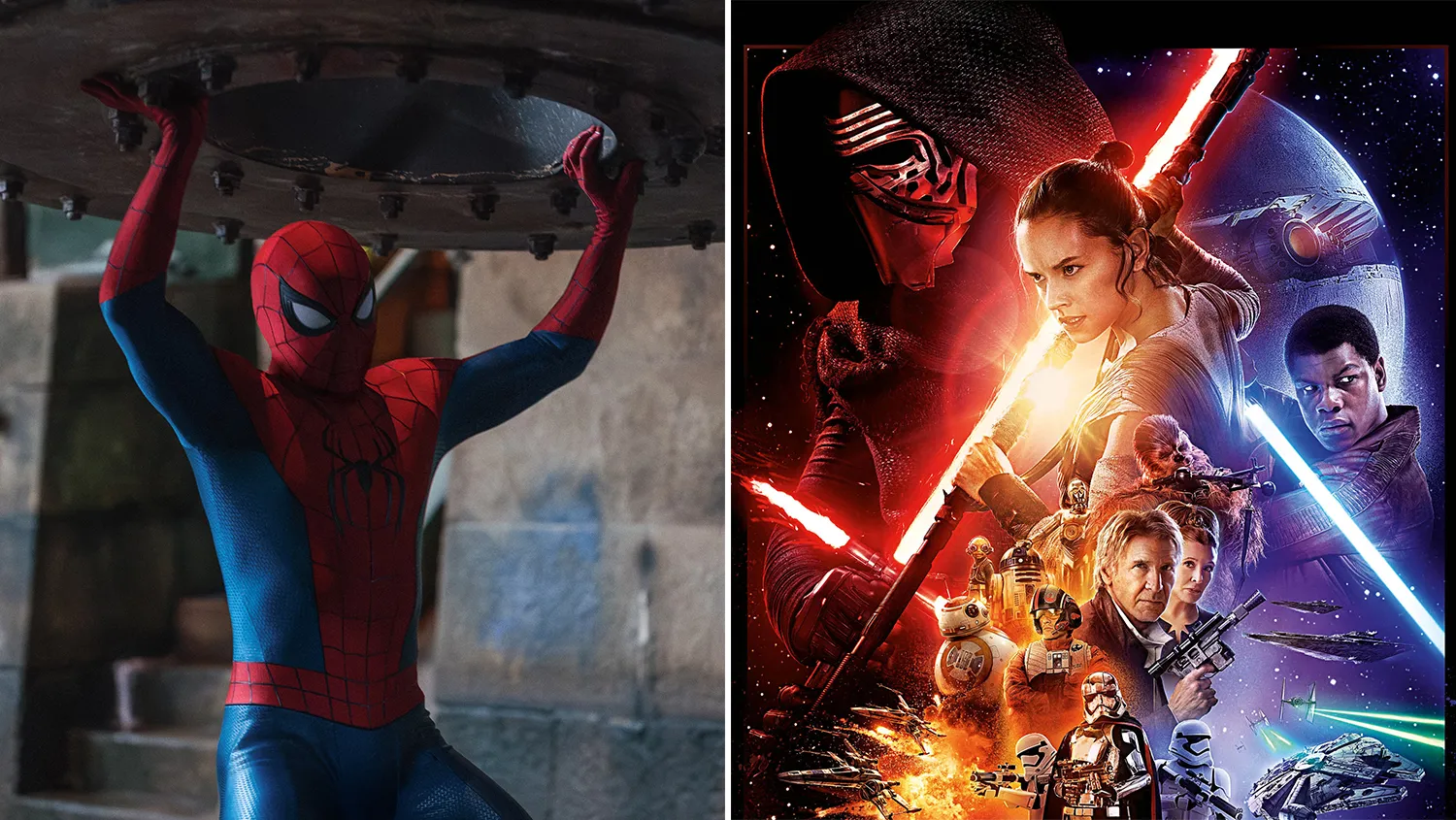
Web-Slinger Wins! 'Spider-Man: Brand New Day' Beats 'Star Wars' For All-Time Domestic Box Office Record
Sony's Marvel blockbuster officially dethroned 'The Force Awakens' after a decade at the top with $936.7 million.
13h ago
TV & Film
John Malkovich Keeps It Humble After New Movie Gets a Massive 14-Minute Ovation
The legendary actor stayed grounded while his upcoming film 'Wild Horse Nine' scored a marathon round of applause.
8h ago
Get the pop news brief
One daily email. The biggest celebrity, music and TV stories, no filler.
People also ask
- Why did Maggie Gyllenhaal reject AI in her short film?
- Gyllenhaal stated that using AI to alter Dakota Johnson's appearance erased the raw humanity and emotional nuance of her performance, making the technique fundamentally unworkable.
- What is Maggie Gyllenhaal's short film called?
- Her short film is titled Flesh Impact, which debuted at the Venice Film Festival.
Reader reaction
Loading comments…