Dolly Parton Never Tried to 'Go Pop' — She Made Pop Come to Her
The country icon always insisted her crossover hits were just 'Dolly Parton music,' refusing to compromise her Tennessee roots.
By Dee AlvarezPublished Updated 2 min read
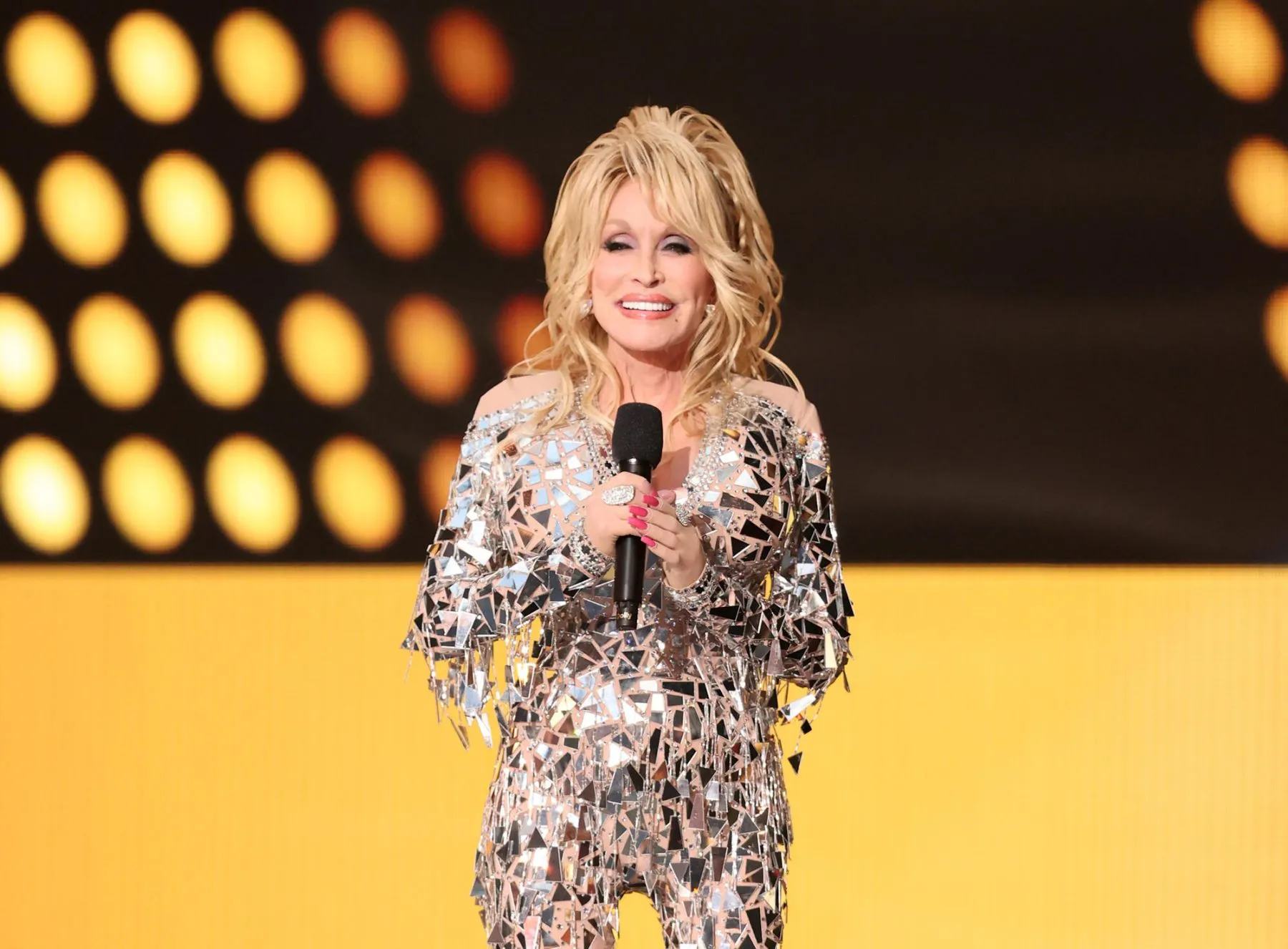
Dolly Parton spent more than six decades dominating the entertainment landscape, but don't ever accuse the iconic songstress of selling out her roots for mainstream pop stardom. While her legendary catalogue features undeniable cross-genre smashes that topped global charts, the country titan always maintained that she never intentionally changed her style just to appeal to top 40 radio listeners. The unique relationship between the Tennessee native and the pop music world was recently dissected on the *Billboard* Pop Shop Podcast. Hosts Katie and Keith took a deep dive into Parton’s extensive catalog, examining how she managed to rule the mainstream charts while remaining deeply tethered to her traditional country foundations.
Did Dolly Parton consider herself a pop artist?
Watch
Clips tied to this story.
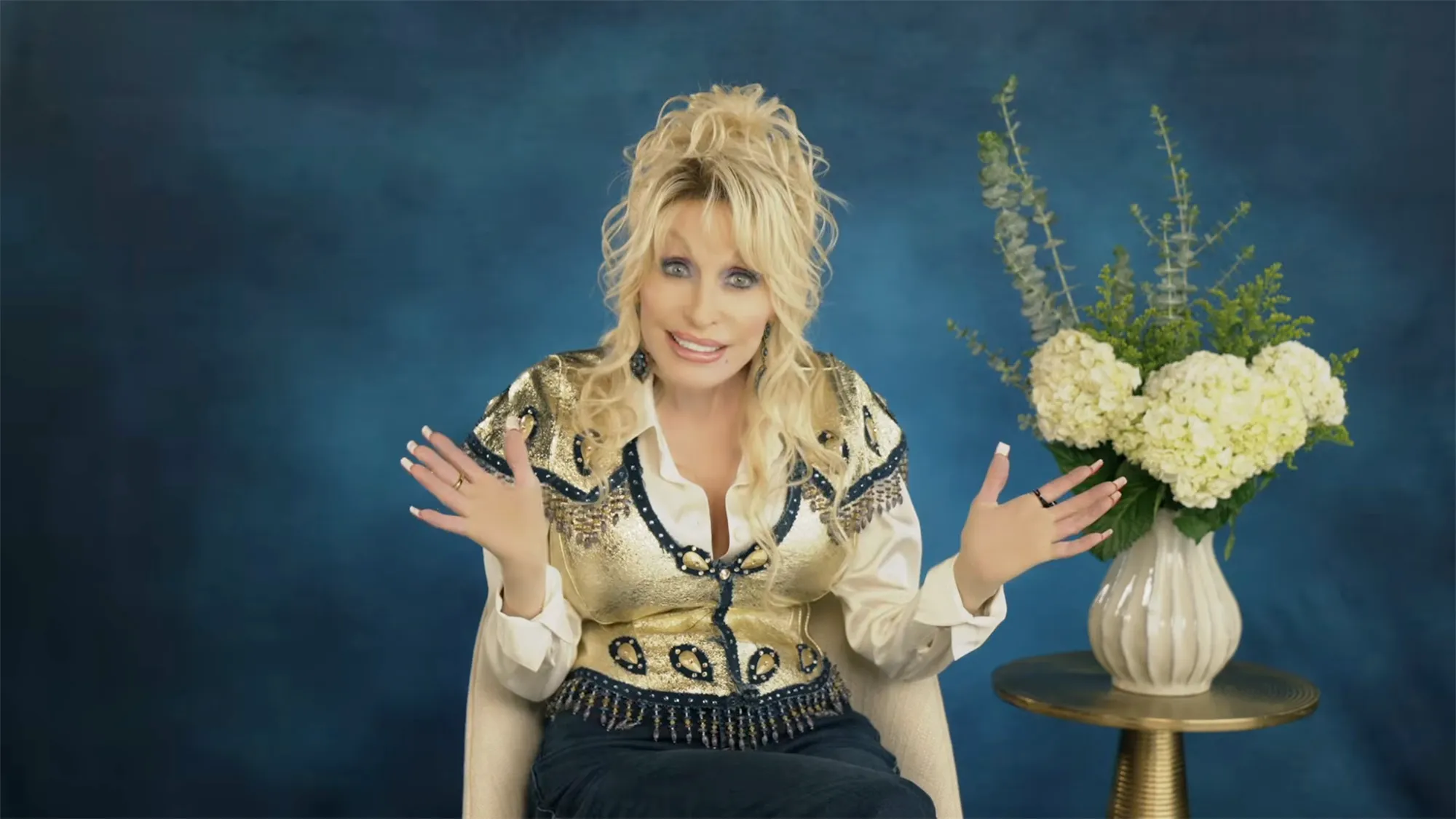
The podcast reflection highlighted how Parton managed to appeal to massive pop audiences without shedding her identity, including memorable joint projects with her goddaughter Miley Cyrus. Throughout her career, Parton demonstrated that crossover appeal did not require compromising her artistic integrity or changing who she was as a performer. Parton’s explicit stance on genre labels dates back decades. In a candid 1977 interview with *Country Music* magazine—published the very same year she released "Here You Come Again," widely regarded as one of her most pop-leaning tracks—the singer addressed the constant genre speculation directly. "I never considered the fact that I was going pop," Parton stated during the classic interview. She explained that while crossing over into broader commercial markets might happen naturally over time, she was determined to accomplish it entirely on her own terms without altering her signature identity.
“ widely regarded as one of her most pop-leaning tracks—the singer addressed the constant genre speculation directly. ”
Why did Dolly Parton stick to country music?
Parton made it remarkably clear that she would never alter her persona to fit a trendy radio format. She emphasized that any move toward the pop charts would be done as herself and through her original songwriting, rather than by pretending to be something she was not just to win over new fans. For the proud Tennessee creator, her background was impossible to detach from her work. She asserted that if her songs ultimately required a strict genre classification, she would always claim country music, primarily because being country was fundamental to who she was as a person and an artist. By staying true to those core values across a multi-decade journey in sound, Parton proved that authentic music defies rigid boundaries. Instead of reshaping herself for pop music, she simply brought the pop world over to her.
The photos · 5
More like this
Music
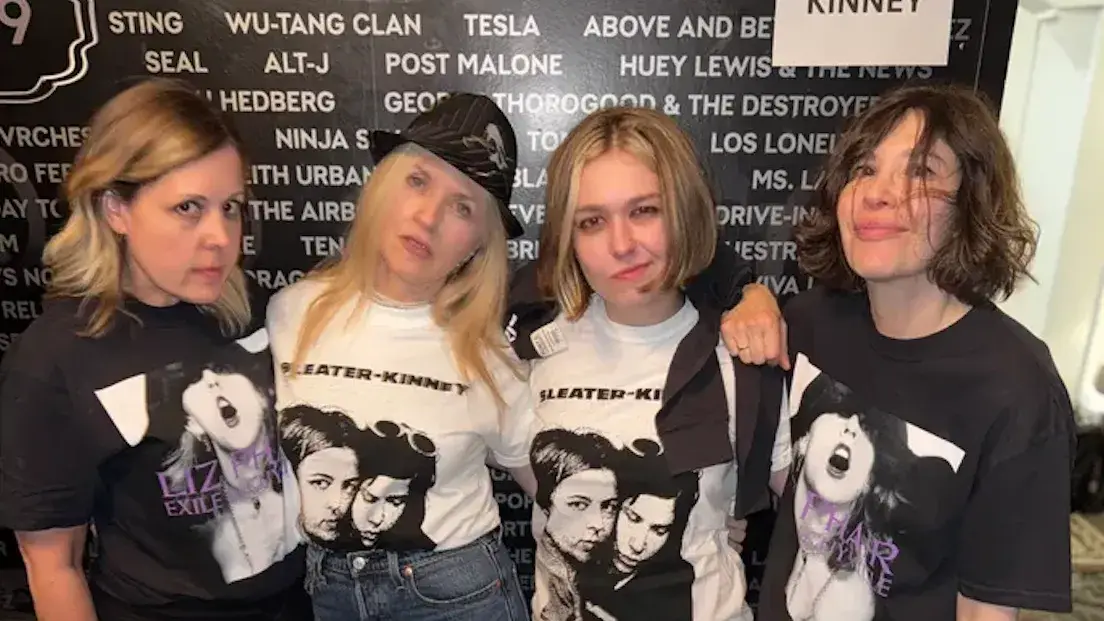
Liz Phair Unveils Behind-the-Scenes Look at Flannel and the Fury Tour With Sleater-Kinney
The indie rock icon offers fans a rare glimpse into life on the road following a joint run with Sleater-Kinney.
Oct 29, 2026
Music
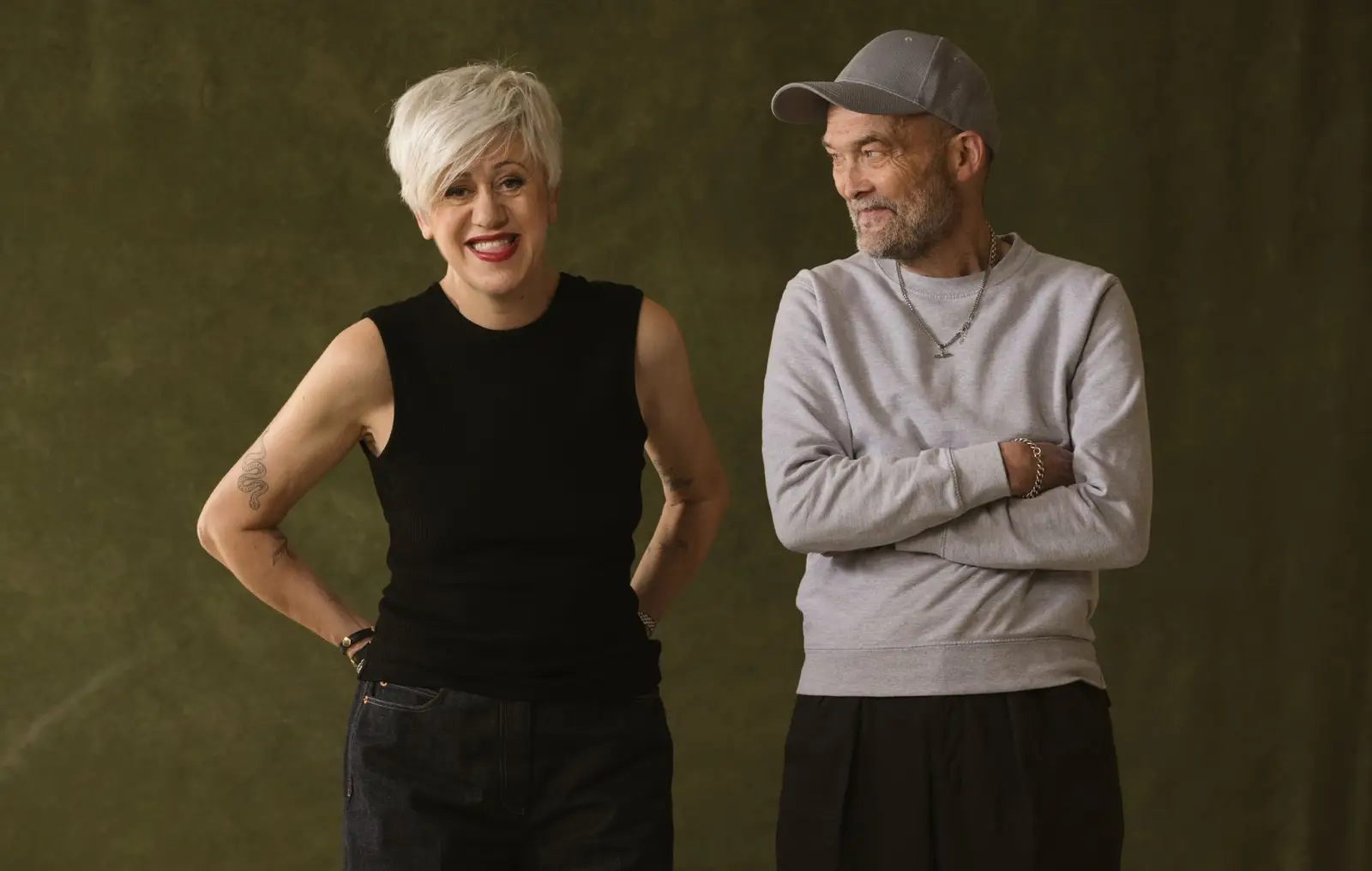
Everything But The Girl Unveil New Album 'Blue Reservoir' After Intimate London Gigs
Tracey Thorn and Ben Watt are back with their 12th studio record and lead track 'Young And Dumb.'
Oct 28, 2026
Music
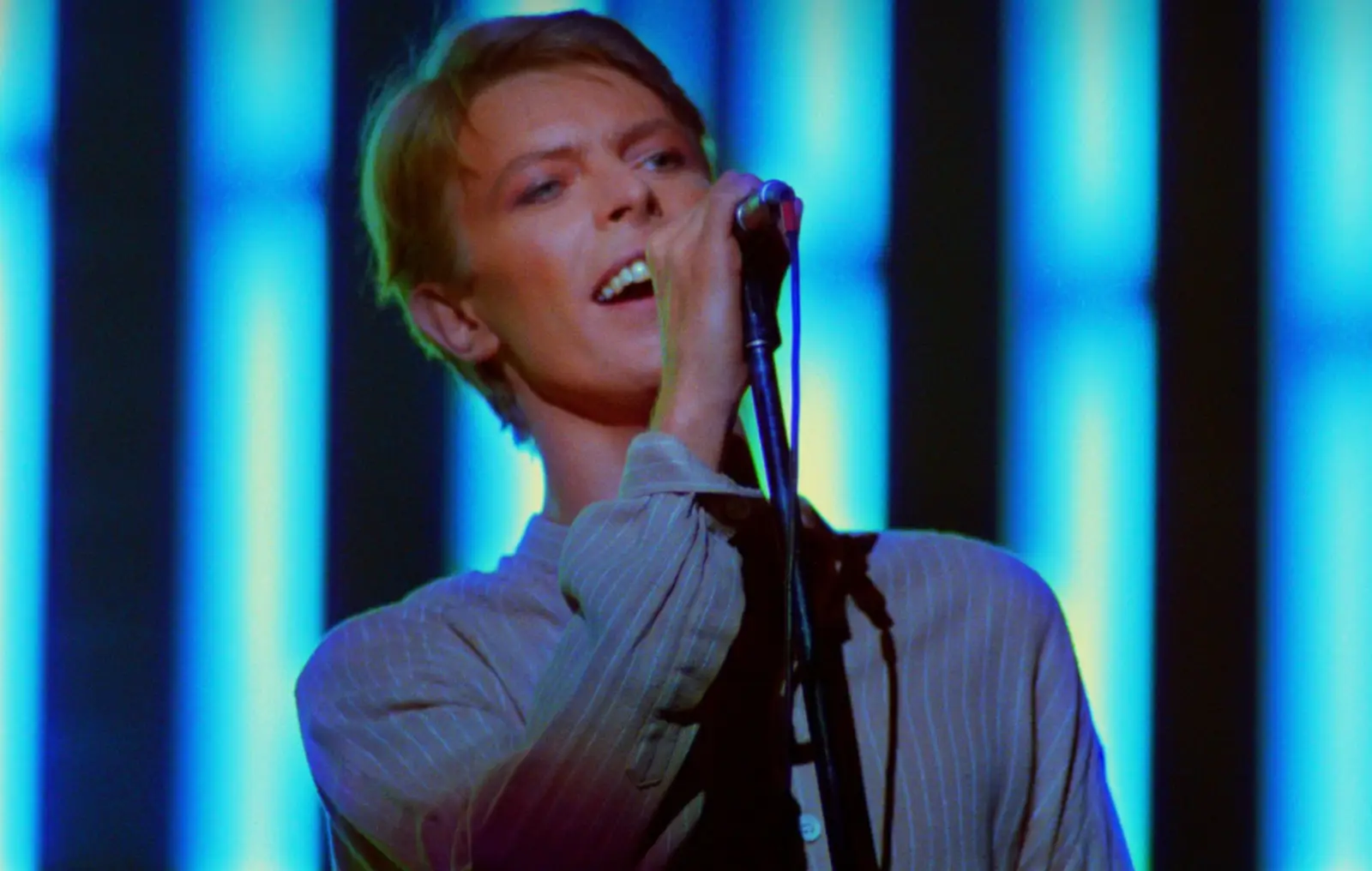
Unreleased 1978 David Bowie Concert Heading to Arenas as Immersive Spectacle
Director Brett Morgen and the late icon's estate are reviving raw footage from London's Earls Court for a massive 2027 tour.
Oct 27, 2026
Get the pop news brief
One daily email. The biggest celebrity, music and TV stories, no filler.
People also ask
- Did Dolly Parton ever cross over into pop music?
- Yes, Dolly Parton scored major pop hits like 1977's 'Here You Come Again,' though she maintained she never altered her style to chase top 40 radio.
- What did Dolly Parton say about genre labels?
- In a 1977 interview, Parton stated that if her songs required a specific label, she would call them country because that reflected her authentic self.
Reader reaction
No comments yet — be the first to weigh in.