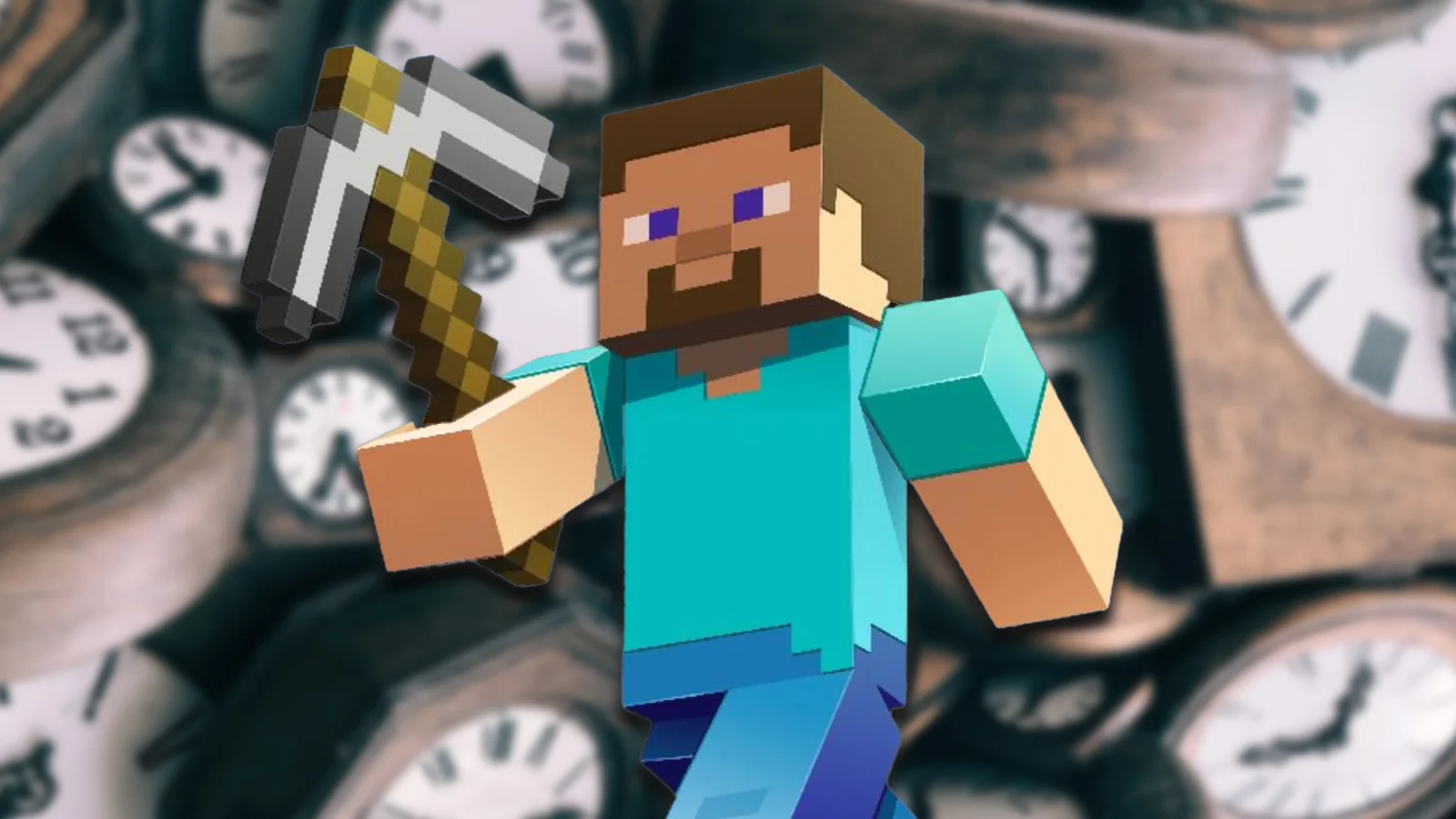
A Minecraft World Beats Itself After 2 Billion Simulated Years
An ambitious online experiment proved that given enough computational time, virtual creatures can defeat the Ender Dragon on their own.
By Rae MitchellPublished Updated 2 min read
A creative gamer set out to answer one of the most fascinating questions in sandbox history: can a virtual world actually beat itself without any human intervention? By pushing digital boundaries to the absolute extreme, an ambitious content creator set up an ultra-accelerated universe that ran for nearly two billion simulated years. The massive digital experiment left gaming fans stunned after revealing an unbelievable outcome. To pull off the wild test, the creator allowed computational mechanics, environmental factors, and creature interactions to run continuously across an astronomical timeframe. Over trillions of simulated ticks and infinite digital cycles, chaotic events inside the blocky realm slowly began to align. What started as an idle background simulation quickly turned into a legendary test of pure computational probability.
How Did Minecraft Mobs Defeat The Ender Dragon?
In standard gameplay, reaching the. Players usually spend hours gathering rare re. However, inside this automated long-term universe, non-player creatures took control of the narrative entirely on their own. Through absolute statistical inevitability, chaotic mob spawns and environmental shifts forced creatures into the final boss arena. Once inside the End dimension, random pathfinding, target tracking, and continuous erratic attacks began chipping away at the massive dragon. Over vast spans of automated time, the relentless swarm of basic creatures slowly drained the boss's health until the final blow landed.
Why Are Long-Term Gaming Experiments Going Viral Online?
This extraordinary feat highlights a massive trend in online creator culture, where gamers continuously push procedural titles past their design limits. By leveraging specialized server scripts, high-end hardware, and time-acceleration mods, digital creators are turning popular virtual sandboxes into self-sustaining ecosystems. Seeing an automated program navigate its own end-game condition scratches a unique itch for tech fans and casual viewers alike. The surprising triumph over the final boss proves that even the most complex digital challenges can collapse under pure random chance given enough time. Fans across social media platforms continue to celebrate the absurd experiment, proving that sometimes the best gaming moments happen when humans step away from the controller entirely.
Watch
Clips tied to this story.
More like this

Viral
Viral Baby Monkey Punch Is Landing His Own Book Deal After Winning Over the Internet
The internet's favorite infant primate is turning his life story from zookeeper care to troop integration into a published book.
Sep 17, 2026

Viral
Playful Dog Foils California Home Invader by Insisting on a Game of Fetch
An overly friendly pooch went viral after distracting a home intruder with endless toy deliveries until cops arrived.
Sep 17, 2026

Viral
Slang Glow-Up! Merriam-Webster Adds 'Looksmaxxing' and 'Cuffing Season' to Dictionary
Internet culture officially conquers the English language as Merriam-Webster drops its latest batch of viral additions.
Sep 16, 2026
Get the pop news brief
One daily email. The biggest celebrity, music and TV stories, no filler.
People also ask
- Did a human player help beat the Ender Dragon in the simulation?
- No, the experiment ran entirely automatically without any human input during the simulated timeline.
- How long did the Minecraft simulation run?
- The creator ran the digital server for nearly two billion simulated in-game years.
Reader reaction
No comments yet — be the first to weigh in.