
Why Brunette Strands Keep Turning Red and How Pros Fix the Fade
Salon experts reveal why brown tresses pull warm undertones and how to keep brassiness out of your color routine.
By Rae MitchellPublished Updated 2 min read
Few beauty frustrations rival leaving the salon with a glossy, cool brunette only to watch it fade into unwanted copper streaks weeks later. Unintended redness is among the most frequent complaints clients bring to professional colorists. Fortunately, hair care insiders explain that brassy undertones are a natural part of hair biology rather than a permanent styling disaster. According to beauty professionals, natural dark hair relies on underlying warmth to achieve its depth. Whenever brunette strands undergo lightening, lifting, or sun exposure, the larger dark pigment molecules strip away first. This process inevitably uncovers stubborn red and orange undertones lying beneath the surface. Environmental stressors like hard water, high heat tools, and ultraviolet rays can accelerate this pigment breakdown dramatically.
Why Does Brown Hair Develop Red Tones So Quickly?
Every brunette base contains strong warm undertones that stay anchored deep inside the hair shaft. Whenever hair gets colored or exposed to daily wear and tear, colorists explain that cool ash tones are always the first to vanish. As the formulated dye washes out with regular shampooing, that natural underlying warmth steps into the spotlight. External elements make the shift happen even faster. Washing hair with water heavy in mineral deposits can cause immediate color shifts. In addition, relying heavily on flat irons or blow dryers without heat protectants degrades the artificial toner sealed on top of your strands, exposing the raw copper base below.
How Can You Keep Your Brunette Shades Cool at Home?
Professional stylists recommend introducing blue-pigmented toning products directly into your weekly shower routine. Just as blonde hair relies on purple formulas to counter yellow brassiness, blue sits opposite orange and red on the color wheel, immediately neutralizing stubborn copper hues on darker hair. Maintaining the look also requires proactive protection between appointments. Experts suggest applying leave-in treatments equipped with UV filters, cutting back on high-heat styling, and booking quick glossing refreshes at the salon every few weeks. Making these minor changes guarantees your brunette locks remain rich, dimensional, and completely free of unwanted red tones.
More like this
Fashion & Beauty
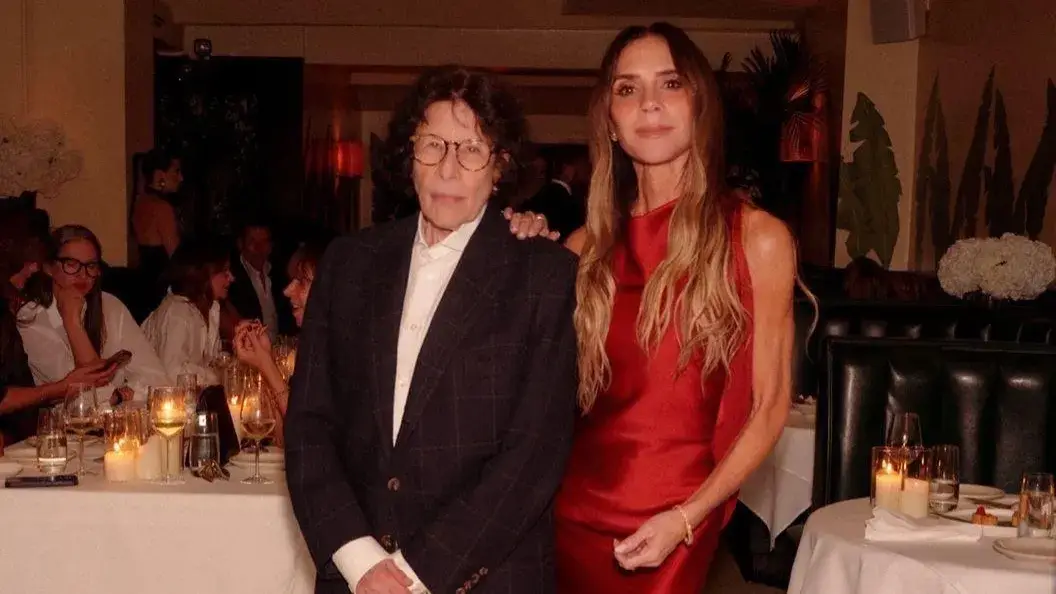
Victoria Beckham Toasts New SoHo Boutique With Starry NYC Gathering
The designer and pop icon marked the opening of her Mercer Street flagship with an intimate dinner at downtown hotspot Indochine.
7h ago
Fashion & Beauty
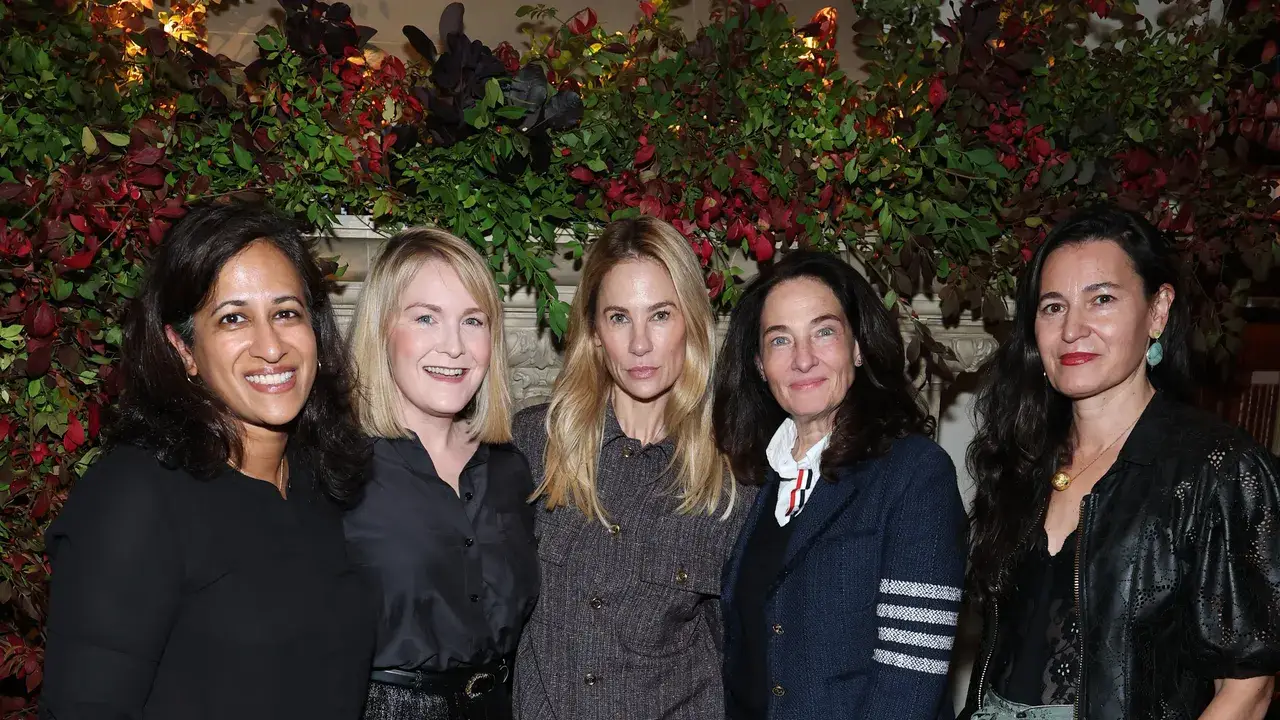
Chanel Teams Up With Women’s Prize Trust to Uncover Rising Authors
The luxury fashion powerhouse and the renowned literary organization celebrate the kickoff of their fresh Originators initiative.
4h ago
Fashion & Beauty
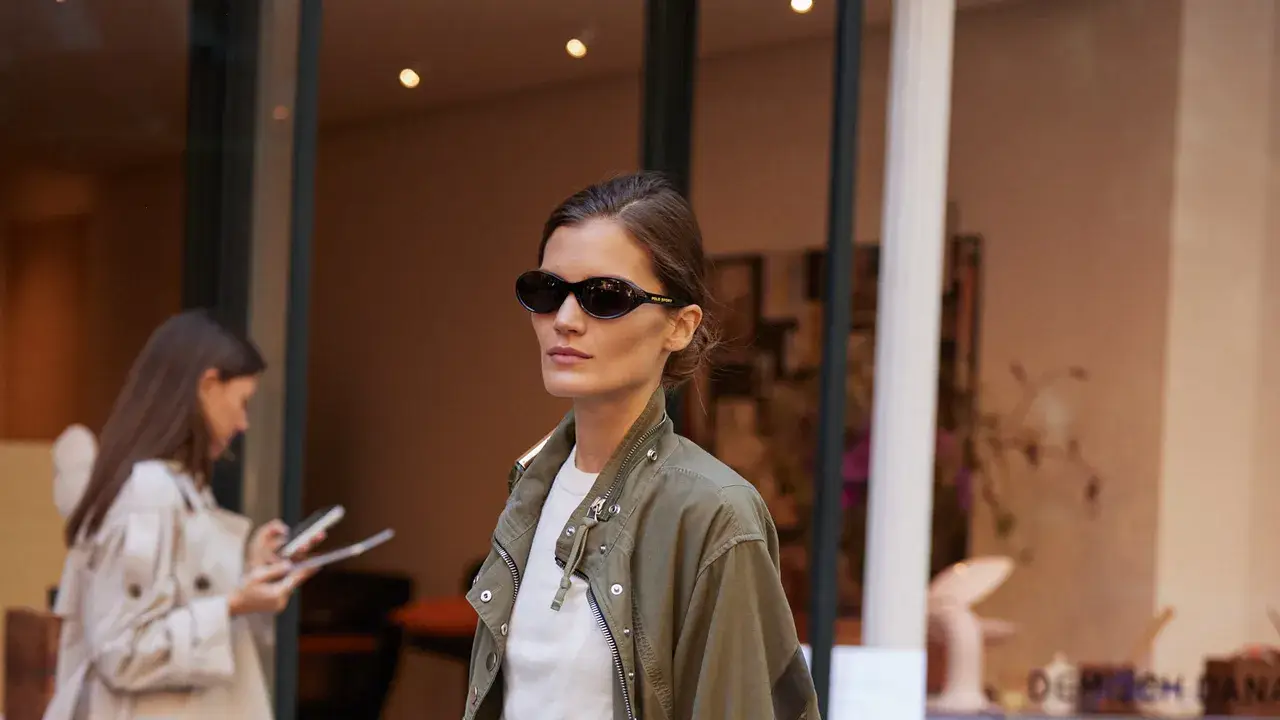
Steal the Model Off-Duty Look for an Effortless Weekend Vibe
Mastering the coveted runway-adjacent street aesthetic comes down to a few foundational wardrobe staples.
2h ago
Get the pop news brief
One daily email. The biggest celebrity, music and TV stories, no filler.
People also ask
- Why does brunette hair naturally turn brassy?
- Dark hair contains dense red and warm pigment molecules beneath the surface. When cool artificial toner fades from sun exposure or washing, those underlying warm tones become visible.
- Should brunettes use purple shampoo or blue shampoo?
- Brunettes combating red or copper tones should reach for blue shampoo. Blue directly neutralizes orange on the color wheel, whereas purple shampoo is formulated to counter yellow in blonde hair.
- haircare
- brunette hair
- hair color
- hair tips
- beauty routine
- salon hair
Reader reaction
No comments yet — be the first to weigh in.