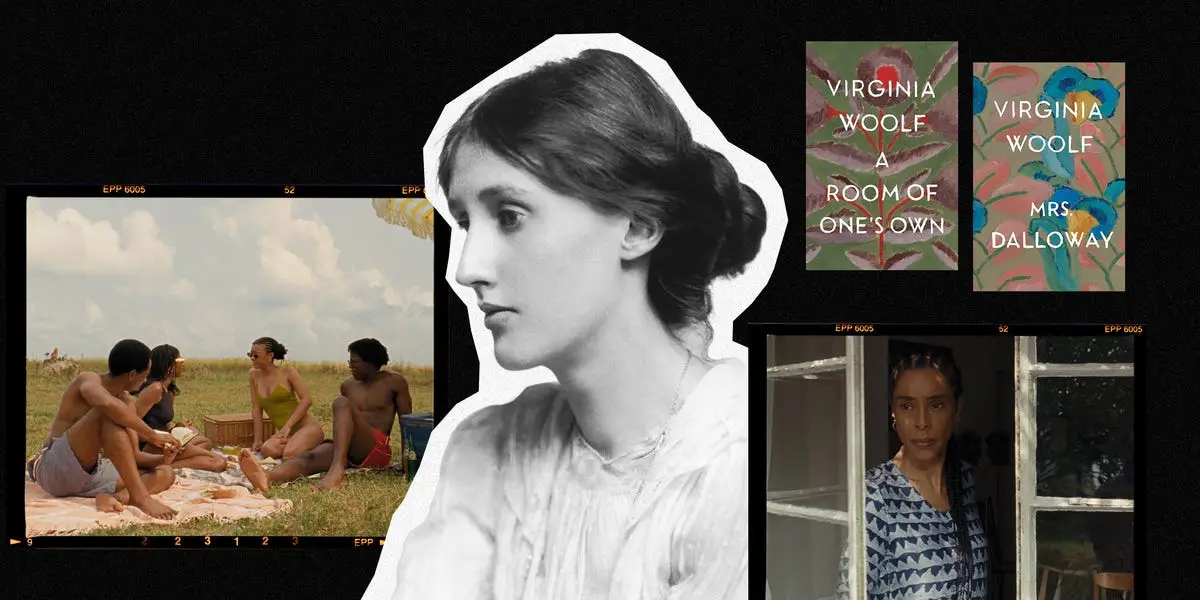
Virginia Woolf Takes Center Stage as Multiple Film Adaptations Arrive This Fall
Cinema is revisiting the iconic modernist author with back-to-back projects exploring her timeless literary vision.
By Rae MitchellPublished Updated 1 min read
Virginia Woolf is commanding the cultural conversation once again. Decades after shaping modern English prose, the legendary British novelist is having a distinct cinematic moment. Moviegoers are preparing for a rare double feature of her legacy, with two separate film adaptations of her writing slated to debut this fall. The sudden flurry of cinematic interest has sparked fresh debate across pop culture and literary circles alike. Translating Woolf's intricate interior monologues and boundary-pushing narrative style to the screen has historically been an ambitious challenge for directors. Yet filmmakers continue returning to her rich catalogue, drawn to her complex characters and unconventional structural experiments.
Why are filmmakers revisiting Virginia Woolf today?
Woolf's resurging popularity speaks directly to contemporary themes. Throughout her career, the author explored personal identity, mental health, fluid time, and societal constraints with radical honesty. Those core concerns feel strikingly aligned with modern storytelling, where audiences frequently seek nuanced portraits of emotional vulnerability and psychological depth. Her groundbreaking feminist perspectives also continue to strike a chord. Whether deconstructing rigid domestic expectations or examining how creative independence requires space and re. By bringing her words back to theater screens, modern creators are finding that the questions Woolf raised nearly a century ago still require active answers.
Can cinema capture her stream-of-consciousness style?
Adapting Woolf has always been a unique cinematic gamble. Unlike traditional novels driven by straightforward chronological plot beats, her masterpieces often unfold through subjective emotion, memory, and fleeting atmospheric shifts. Filmmakers tackling her work must find visual language for internal thoughts rather than relying solely on conventional dialogue. Despite those creative hurdles, the twin fall releases demonstrate that the industry is eager to embrace high-concept literary storytelling. The simultaneous arrival of both projects positions Woolf as an unexpected cultural focal point for the season, introducing her visionary prose to new generations of film lovers while celebrating an author whose voice refuses to age.
More like this
TV & Film
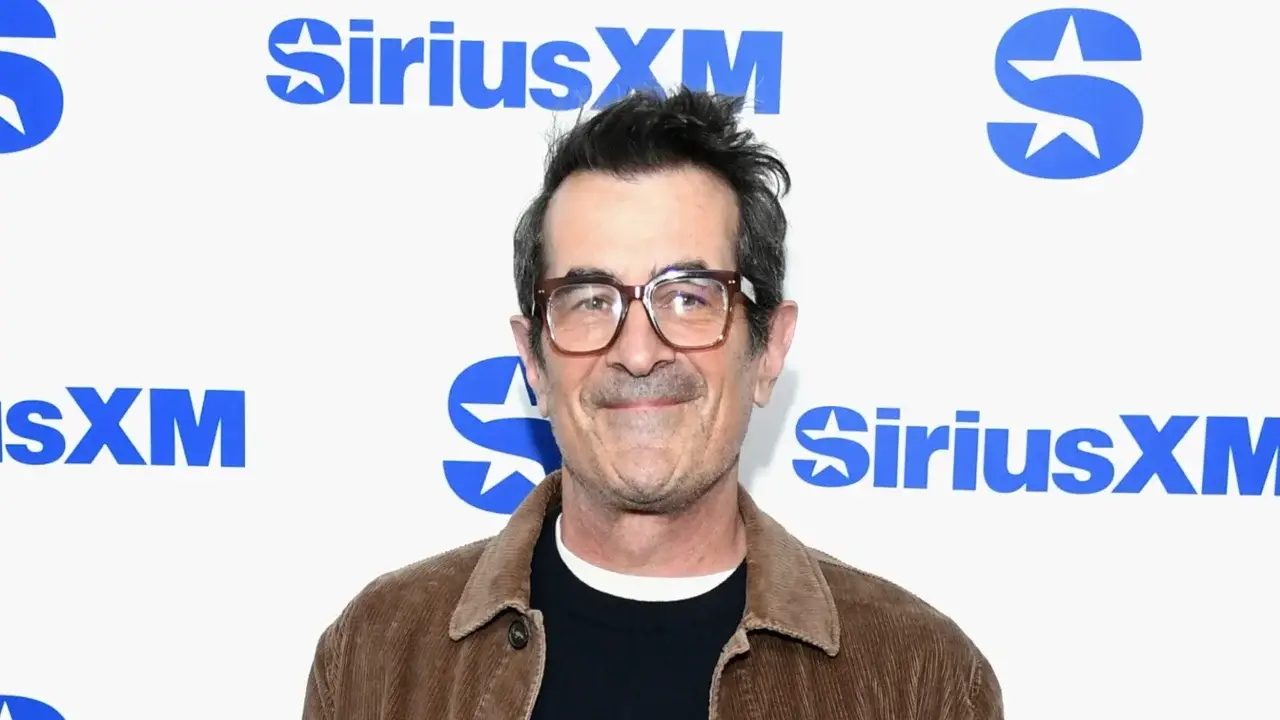
Ty Burrell Set to Lead New 'Coach' Reboot in Development at NBC
The 'Modern Family' Emmy winner is eyeing a return to network television in an updated take on the classic sports sitcom.
11h ago
TV & Film
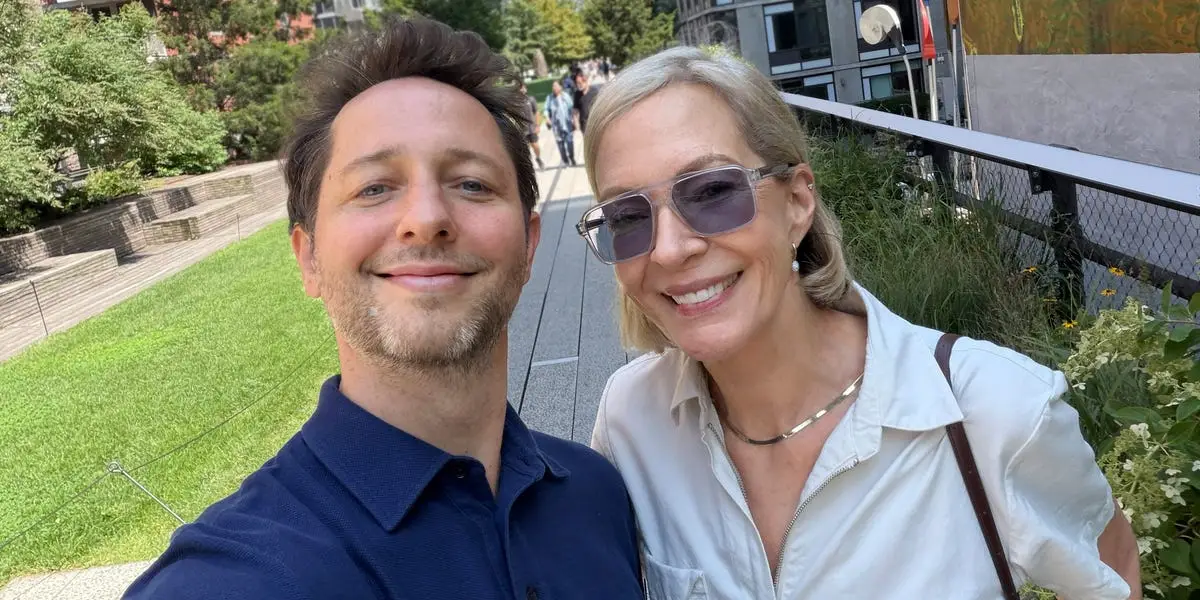
Allison Janney Reflects on Powerful Roles From Broadway to The Diplomat
The Oscar winner opens up about commanding the stage, stepping into high-stakes politics on screen, and never shrinking back.
15h ago
TV & Film
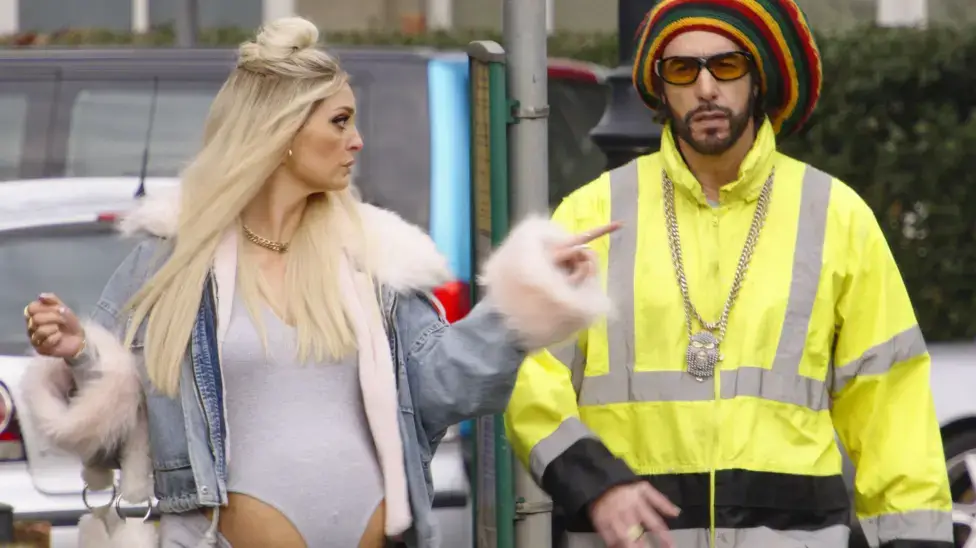
Sacha Baron Cohen Revives Ali G Decades After Big-Screen Debut
The comedy mastermind brings back his iconic tracksuit-wearing alter ego more than 20 years later.
21h ago
Get the pop news brief
One daily email. The biggest celebrity, music and TV stories, no filler.
People also ask
- How many Virginia Woolf adaptations are releasing this fall?
- Two different movie adaptations inspired by the iconic novelist's work are scheduled to premiere during the fall season.
- Why is Virginia Woolf's work popular for screen adaptations?
- Her writing explores deep psychological interiority, feminist themes, and complex emotional realities that remain deeply resonant with contemporary audiences and filmmakers.
- virginia woolf
Reader reaction
No comments yet — be the first to weigh in.