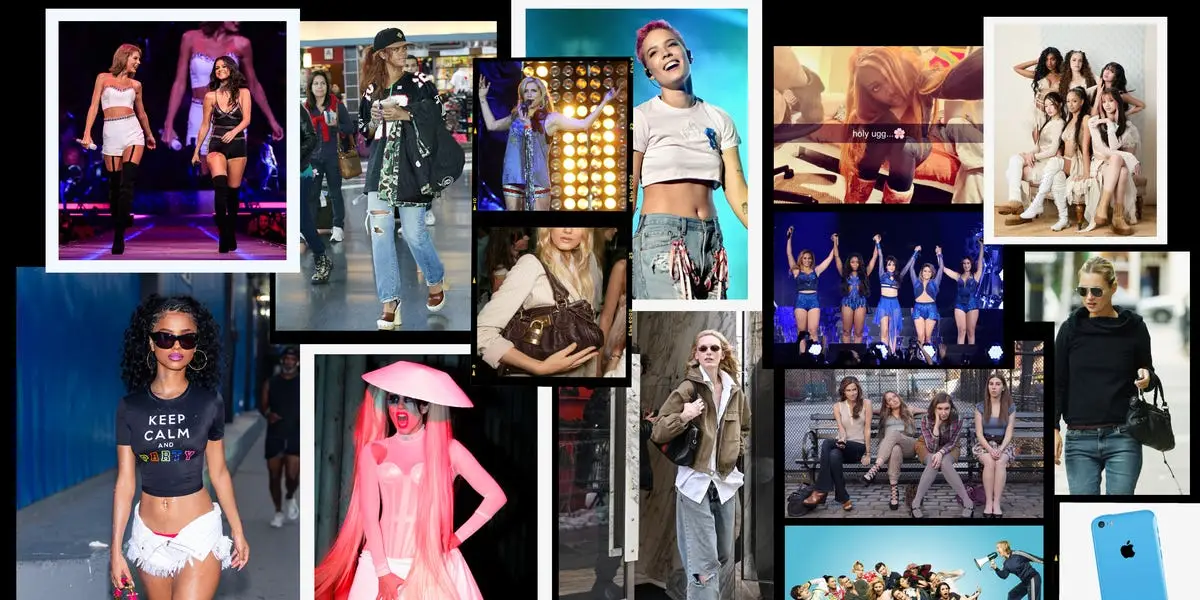
The 2010s Are Back: Why Pop Culture Is Obsessed With Last Decade
Internet users are already looking back at the 2010s with rose-colored glasses, proving the pop-culture nostalgia loop is moving faster than ever.
By Nina BrooksPublished Updated 2 min read
It barely feels like the 2010s ended, yet the decade is already getting the full retro treatment across the internet. Culture watchers and social feeds are increasingly filled with longing tributes to an era that was happening just a few short years ago. From fashion choices to chart music and early social platforms, the past decade is experiencing a massive wave of romanticization. Traditionally, cultural nostalgia followed a predictable rhythm. Decades usually took around twenty or thirty years to resurface, allowing a full generation to grow up, enter adulthood, and look back with fond sentimentality. However, current trends indicate that this timeline has compressed dramatically, pulling recent memories back into the spotlight far ahead of schedule.
Why is the nostalgia cycle moving so fast?
Watch
Clips tied to this story.
Reports show that the speed of the modern trend cycle is the primary force behind this rapid shift. With online algorithms constantly demanding fresh aesthetics and repackaged revivals, culture is cycling through decades at breakneck speed. What used to take decades to mature now becomes vintage territory in a matter of years. Because the digital space documents every micro-trend in real time, past eras remain accessible with a single click. When older aesthetics run their course, people do not have to wait for historians or fashion houses to unearth past movements. Instead, audiences immediately reach for the most accessible era just behind them, turning the 2010s into the newest playground for reimagined retro vibes.
What makes people look back at the 2010s?
Much of this renewed affection comes down to a search for familiarity. The 2010s represented a distinct transition point in digital life, sitting right between the early days of personal web use and today's hyper-connected landscape. To many observers, the decade feels like a simpler, less complicated chapter before current cultural and technological shifts took hold. As the pace of modern life continues to accelerate, looking back offers comfort. Whether revisiting signature anthems, style trends, or memorable online milestones, audiences are leaning heavily into the feeling of a decade that feels comfortably distant yet still fresh in their minds. If the current wave proves anything, it is that the timeline for nostalgia is shorter than ever before.
More like this

Viral
Endless Cruise Canceled After Travelers Sold Homes to Live at Sea
An ambitious non-stop voyage around the globe is suddenly halted, leaving passengers who gave up their properties stranded.
8h ago
Viral
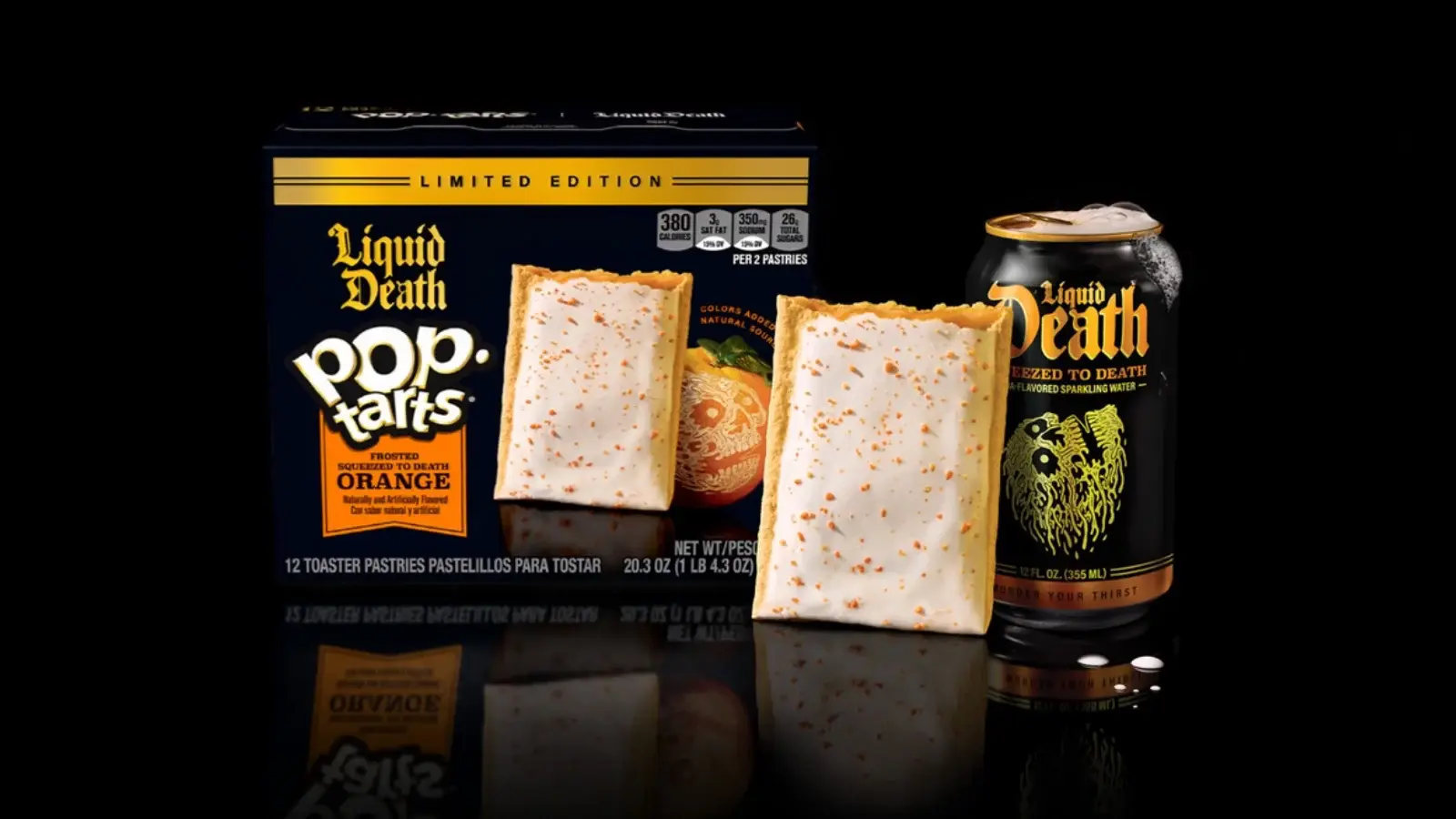
Pop-Tarts Teams Up With Liquid Death for Wild Citrus Pastry Drop
The chaotic snack crossover features a sparkling-inspired flavor alongside a screaming alarm clock giveaway.
Oct 27, 2026
Viral
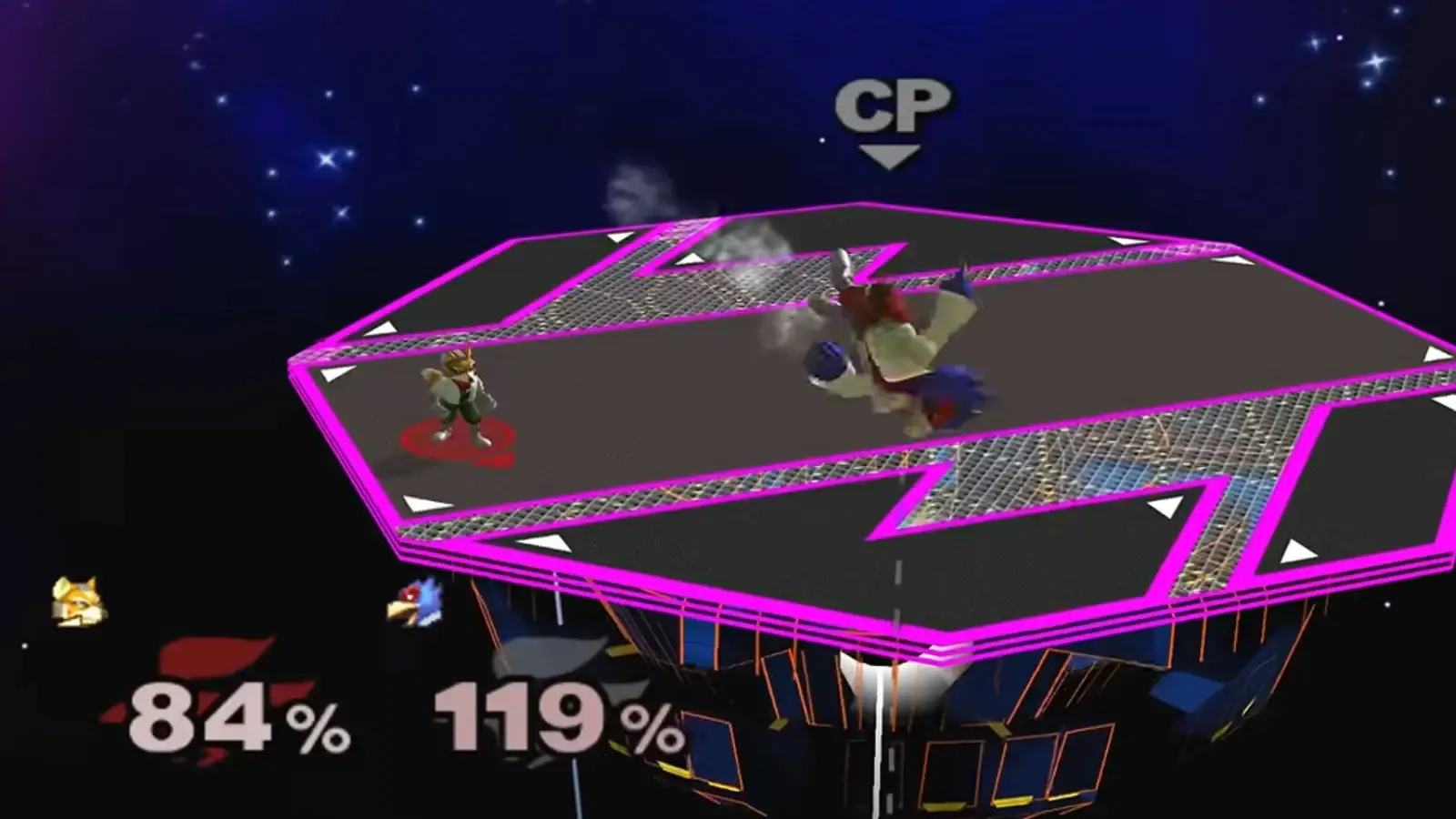
New Super Smash Bros. Melee Mod Rebuilds the GameCube Classic as a 3D Arena Fighter
The legendary Nintendo platform brawler gets a groundbreaking community overhaul that shifts combat into full three-dimensional space.
Oct 26, 2026
Get the pop news brief
One daily email. The biggest celebrity, music and TV stories, no filler.
People also ask
- Why are people feeling nostalgic for the 2010s already?
- The nostalgia cycle has sped up due to fast-moving online trends, making recent decades feel distant and ripe for sentimental revisitation much earlier than in the past.
- How long does a typical nostalgia cycle usually take?
- Historically, cultural revivals take roughly twenty to thirty years to cycle back into fashion, but digital culture has substantially shortened that waiting period.
- 2010s
- nostalgia loop
- internet culture
- pop culture trends
Reader reaction
No comments yet — be the first to weigh in.