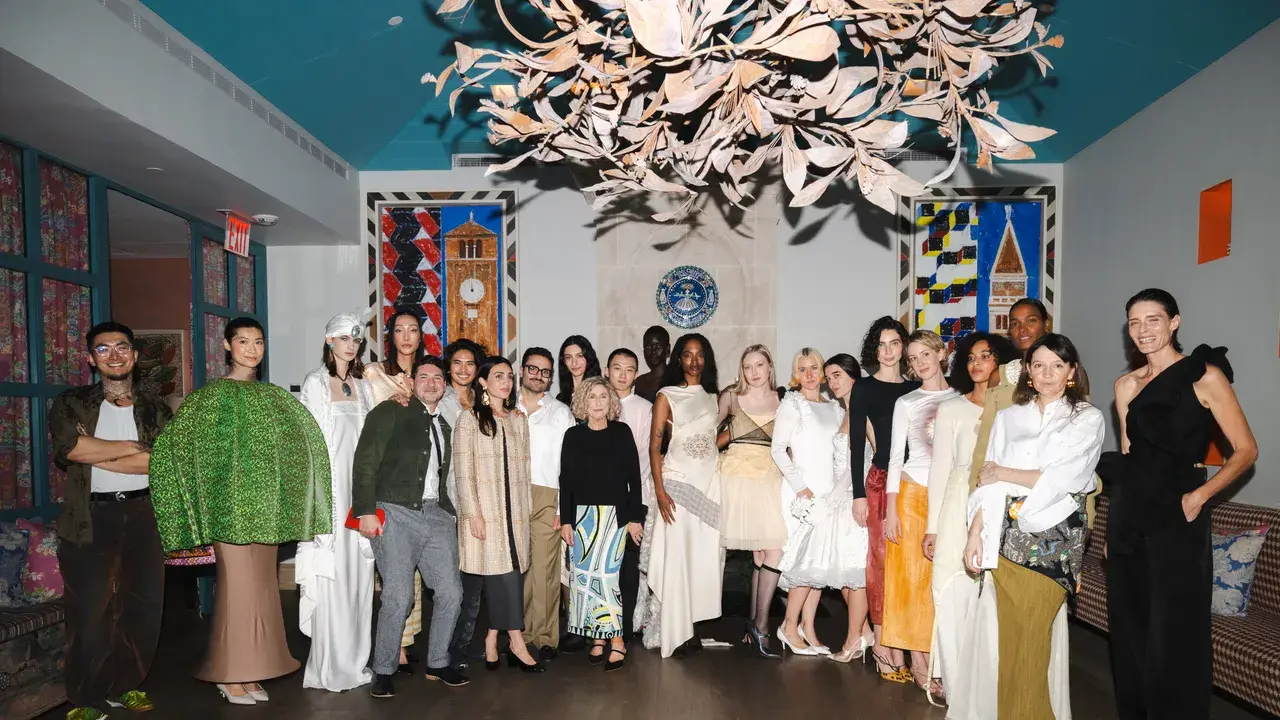
Next-Gen Fashion: CFDA Finalists Swap Traditional Fabrics for Orange Silk and Plant Cashmere
Emerging designers overhaul their signature looks using bio-based textiles in a bold sustainability showdown.
By Rae MitchellPublished Updated 2 min read
The fashion calendar is getting an eco-friendly shakeup as the industry's brightest emerging creators ditch classic textiles for cutting-edge alternatives. In a brand-new push for ethical style, the 2026 finalists for the prestigious American fashion fund are proving that luxury does not need to rely on animal products or heavy carbon footprints. Contenders in the latest cycle were tasked with reimagining their label's defining silhouettes through the Material Innovation Challenge. Organized in collaboration with Humane World for Animals, the initiative pushed rising stars to integrate cruelty-free, bio-based components into their core aesthetics without sacrificing their artistic signatures.
What are designers making with orange peel and vegetables?
Rather than turning to traditional animal textiles or synthetics, the designers looked straight to botanical ingenuity. High-profile alternatives highlighted throughout the initiative include luxurious silks spun from citrus waste and soft cashmere alternatives derived from plant fibers. By incorporating orange-peel silk and veggie cashmere, the cohort demonstrated how high-end tailoring and avant-garde shapes can thrive entirely on renewable re. Instead of treating green fashion as a separate novelty, the participants wove these experimental materials directly into their most recognizable house styles, proving that sustainable fabrication can compete at runway level. Industry insiders note that the challenge serves as a vital proving ground for the future of runway manufacturing. Young labels often face steep hurdles when sourcing cruelty-free replacements at scale, making high-profile partnerships crucial for mainstream adoption.
How does the innovation challenge reshape fashion?
Collaborations between advocacy organizations and elite design showcases are changing how the industry measures modern luxury. By partnering with Humane World for Animals, the competition provides upcoming talent with the platform and incentive to test animal-free formulas on their biggest stages yet. As consumers demand transparency and sustainability from major collections, these emerging talents are building sustainable practices straight into their brand DNA from day one. Rather than retrofitting old manufacturing habits later, the newest class of design visionaries is setting an entirely fresh standard for ethical couture.
More like this
Fashion & Beauty
Chanel Teams Up With Women’s Prize Trust to Uncover Rising Authors
The luxury fashion powerhouse and the renowned literary organization celebrate the kickoff of their fresh Originators initiative.
1h ago

Fashion & Beauty
Sydney Sweeney Beats the Autumn Heat in Micro Shorts and Leather Gloves
The Euphoria star delivers a daring transitional wardrobe moment by pairing warm-weather bottoms with edgy outerwear accessories.
Oct 15, 2026
Fashion & Beauty
Jennifer Lawrence Revives Indie-Sleaze Style With a Chunky Studded Belt
The Oscar winner taps into the nostalgic trend by giving her everyday commuter wardrobe an edgy rock-and-roll upgrade.
Oct 15, 2026
Get the pop news brief
One daily email. The biggest celebrity, music and TV stories, no filler.
People also ask
- What materials were featured in the Material Innovation Challenge?
- Finalists incorporated innovative bio-based textiles including silky fabrics derived from orange peels and soft cashmere alternatives made from plants.
- Who partnered on the sustainable fashion initiative?
- The material challenge was held in partnership with the advocacy group Humane World for Animals to spotlight cruelty-free luxury alternatives.
- cfda
- humane world for animals
- sustainable fashion
- textile innovation
- eco luxury
Reader reaction
No comments yet — be the first to weigh in.