How New Film 'Wicker' Flips the Script on Its Original Dark Fable
The screen adaptation of Ursula Wills-Jones's short story dials up the romance and leaves behind the bleakness.
By Dee AlvarezPublished Updated 2 min read
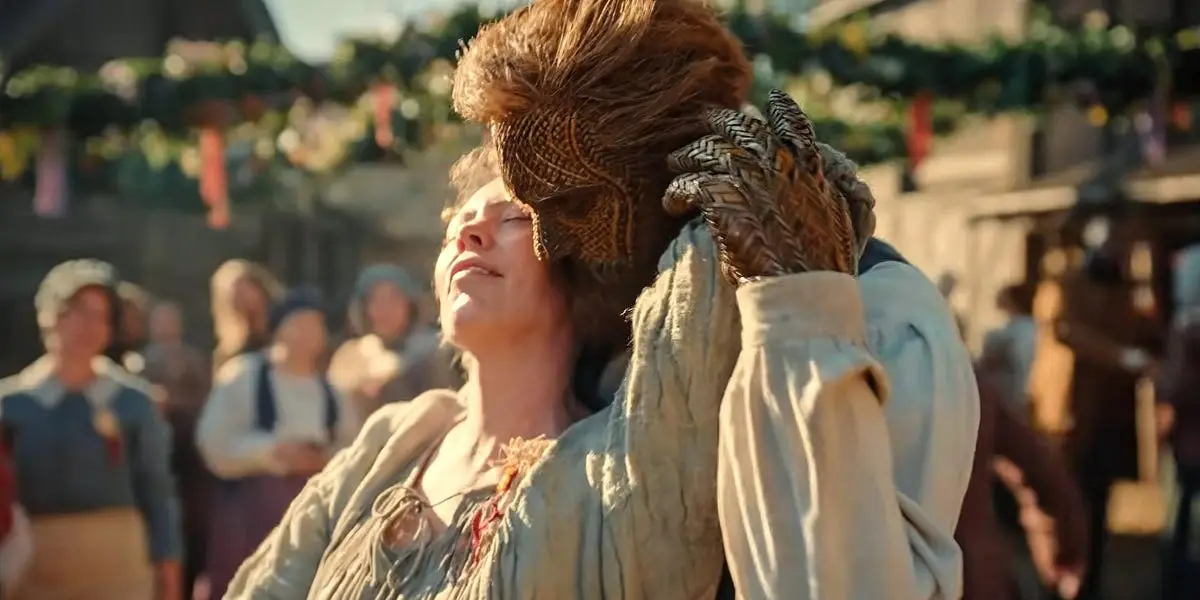
Bringing classic folklore to the big screen usually means leaning into tragedy, but the cinematic adaptation of *The Wicker Husband* is charting a very different course. The new film project, titled *Wicker*, offers an updated take that shifts away from the melancholy mood of its. The original short fable, penned by author Ursula Wills-Jones and published in 2008, established a poignant and bittersweet tone. Across literature, folklore often deals in cautionary tales and somber endings, and the prose version followed those traditional fairy-tale sensibilities. However, fresh looks at the cinematic interpretation reveal that the story has undergone a significant creative transformation for moviegoers.
How Does the Movie Differ From the 2008 Short Story?
Watch
Clips tied to this story.
Rather than replicating the somber spirit of the original text, reports indicate that *Wicker* leans heavily into romance, warmth, and sensuality. The adaptation is described as decidedly happier and far hornier than the literary work that inspired it. By injecting overt passion and upbeat energy into the central premise, the screen version reframes the core relationship. Instead of lingering on isolation and bleak folk tradition, the movie leans into playful intimacy and emotional fulfillment. This thematic pivot allows the narrative to operate as an uplifting celebration of desire rather than a classic tragic parable.
Why Are Literary Adaptations Shifting Toward Lighter Tones?
Turning a concise fable into a full-length feature film often demands expanding the emotional palette. When adapting shorter narratives, filmmakers regularly face the challenge of sustaining an audience's emotional investment across an extended runtime. In the case of *Wicker*, that creative expansion leans into romantic comedy and heightened erotic tension. Leaning toward optimism also changes the entire viewing experience. While readers of the 2008 short story encountered an atmospheric and wistful fable, film audiences are being treated to a vibrant story filled with charm, sensual heat, and uplifting conclusions. By reworking the dynamic between its lead figures, the new project demonstrates how a change in mood can completely reinvent a vintage literary work for modern screens.
More like this
TV & Film
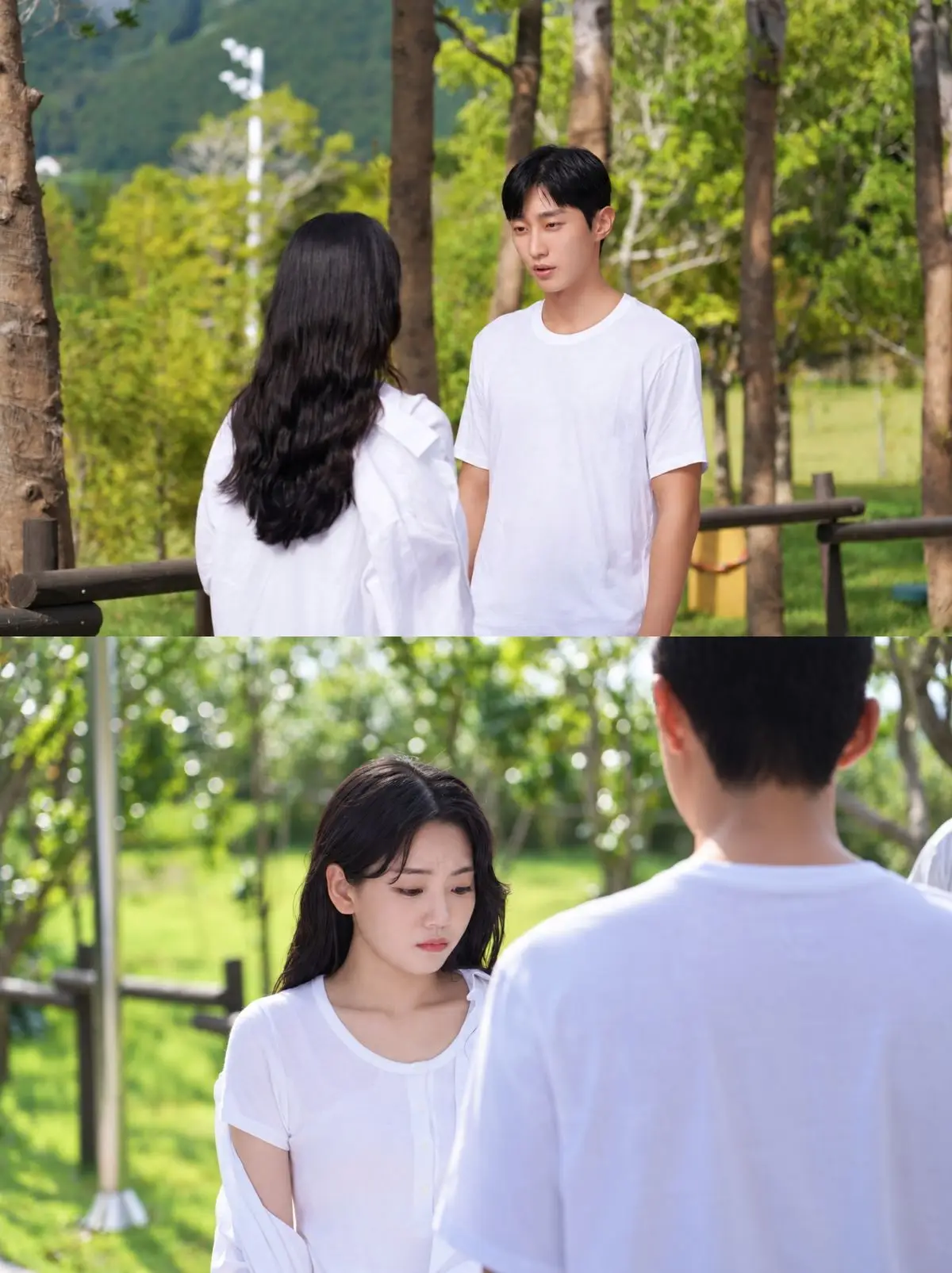
Cho Yi Hyun and Jin Young Spark Intrigue in 'Summer Vacation' First Look
The upcoming teen romance teases a mysterious, life-changing encounter between its high school leads.
18h ago

TV & Film
Rajinikanth Shatters Global Box Office Records as Jailer 2 Tops $25 Million Overseas
The Kollywood blockbuster becomes the first Tamil release to hit the historic international milestone.
Oct 25, 2026
TV & Film
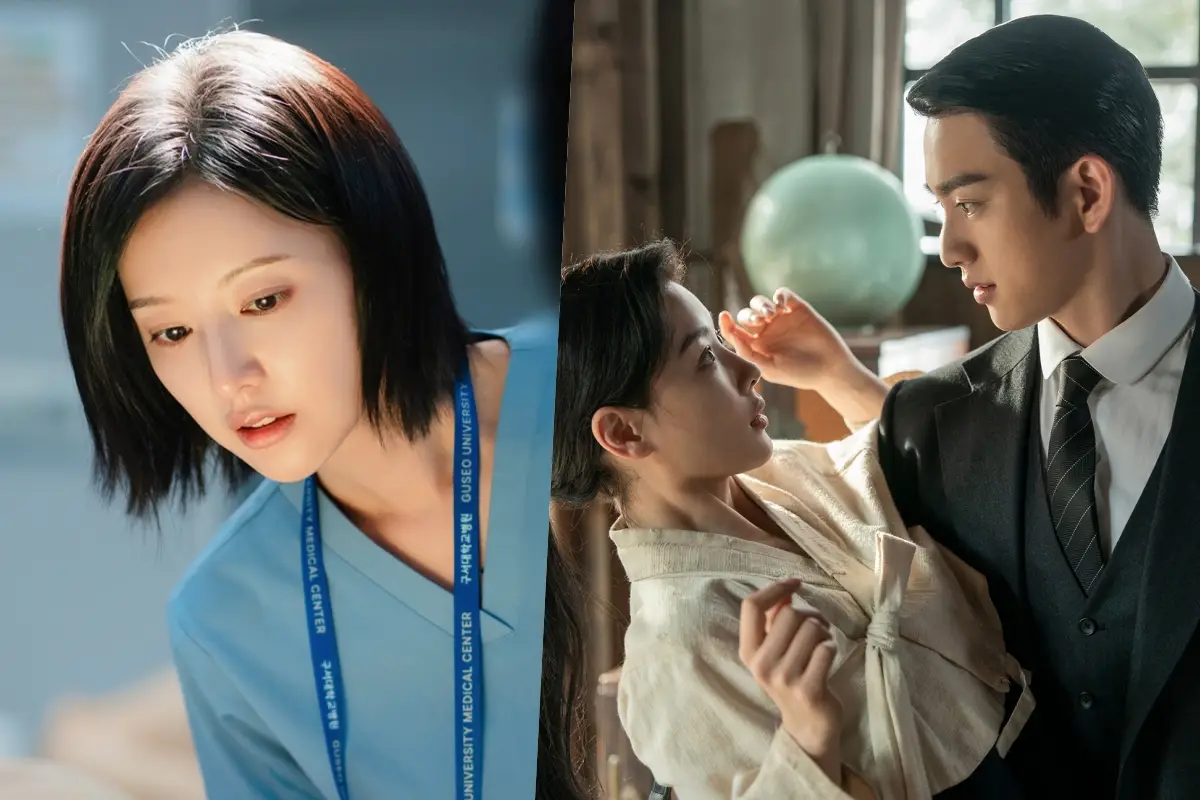
'Doctor X' and '100 Days of Deception' Dominate Weekly Drama Power Rankings
Two powerhouse television series capture the top spots as weekly engagement metrics show soaring viewer interest.
Oct 25, 2026
Get the pop news brief
One daily email. The biggest celebrity, music and TV stories, no filler.
People also ask
- What is the movie Wicker based on?
- The film is an adaptation of the 2008 short fable titled 'The Wicker Husband,' written by Ursula Wills-Jones.
- How does Wicker compare to the original story?
- Reports indicate the movie is significantly more upbeat, sensual, and romantic than the original story, which had a more somber and traditional fairy-tale tone.
- wicker
- ursula wills-jones
- the wicker husband
Reader reaction
No comments yet — be the first to weigh in.