Harlem’s National Black Theatre Fights to Secure Its Future
CEO Sade Lythcott reveals the uphill battle to protect Black arts against gentrification and funding cuts.
By Dee AlvarezPublished Updated 2 min read
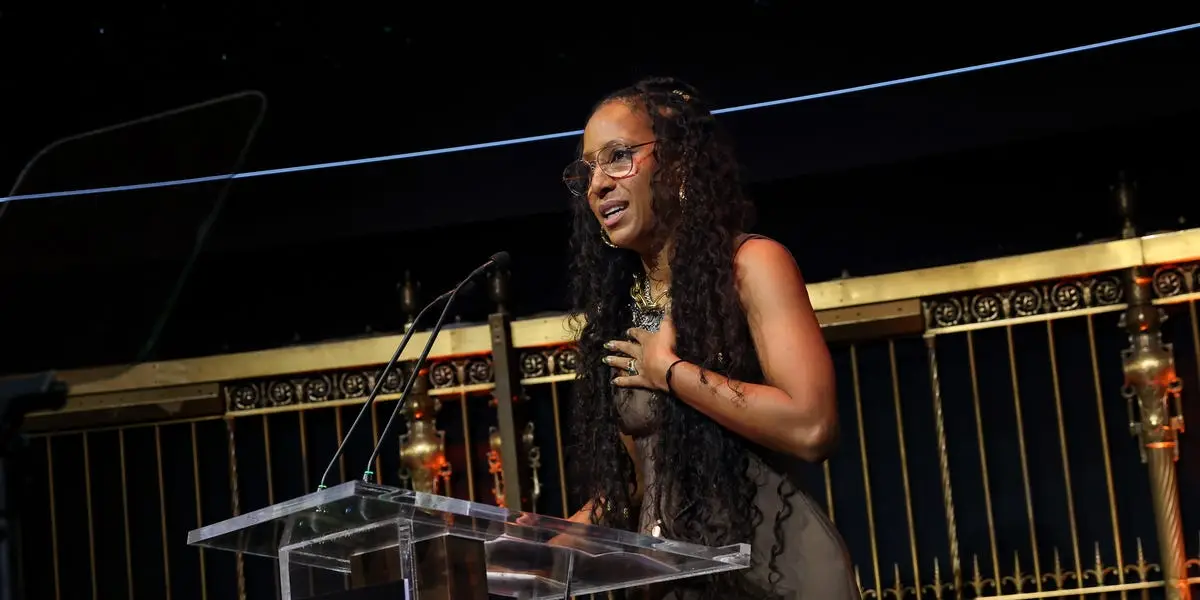
Harlem has long served as the beating heart of Black art and creative expression, but keeping those cultural anchors alive requires fierce determination. At the center of that ongoing mission is the historic National Black Theatre, an institution dedicated to uplifting authentic narratives. Chief executive officer Sade Lythcott is speaking out about what it takes to protect that creative sanctuary in an increasingly turbulent cultural climate. The arts organization continues to fight for its place at the forefront of the entertainment landscape. As urban centers shift and artistic institutions across the country grapple with instability, Lythcott emphasizes the necessity of carving out permanent platforms for Black creators. Securing the future of Black culture means staying rooted in foundational spaces while continuously pushing boundaries forward.
What Challenges Face The National Black Theatre Today?
Preserving an independent cultural home is no simple feat, especially amid aggressive gentrification in historic hubs like Harlem. Rapid commercial and residential redevelopment frequently puts pressure on legacy institutions, altering neighborhood dynamics and driving up operational obstacles for community-focused organizations. According to reports, holding onto dedicated performance spaces has become a vital front in the broader push to safeguard local heritage. Beyond real estate hurdles, financial headwinds remain a constant threat. Lythcott has highlighted how widespread budget reductions, fueled by regressive political shifts, are directly impacting artistic re. When public and private funding streams shrink under political pressure, diverse storytelling initiatives are often among the first to face severe cutbacks, leaving leaders to navigate a fraught financial environment.
How Is Sade Lythcott Protecting Black Storytelling?
In response to these mounting pressures, the organization's focus remains on resilience and intentional community building. Rather than stepping back in the face of austerity and demographic change, the National Black Theatre is actively doubling down on its foundational purpose: centering Black voices, developing visionary creators, and providing a platform that refuses to be sidelined by outside interests. The fight being waged in Harlem mirrors a nationwide conversation across the arts and entertainment sectors. For cultural pioneers like Lythcott, keeping the doors open is about far more than just maintaining a physical venue. It is an active effort to ensure that future generations inherit spaces where their stories are celebrated, preserved, and given the spotlight they deserve.
More like this

Celebrity
Alexander Skarsgård and Tuva Novotny: Inside the Pair's Low-Key Romance
The Swedish actor and his partner Tuva Novotny have kept their personal life largely out of the spotlight after quietly expanding their family.
55m ago

Celebrity
Naomi Watts Shares How Daughter Kai Influences Her Everyday Style
The acclaimed star looks to 17-year-old Kai Schreiber for honest wardrobe advice and fresh fashion perspective.
8h ago
Celebrity
Harry Styles Captured in Heated Street Confrontation With Autograph Seeker in NYC
Video footage shows the superstar having a visibly intense sidewalk exchange with a man holding his album in Manhattan.
19h ago
Get the pop news brief
One daily email. The biggest celebrity, music and TV stories, no filler.
People also ask
- Who is the CEO of the National Black Theatre?
- Sade Lythcott serves as the chief executive officer of the Harlem-based National Black Theatre.
- What challenges is the National Black Theatre facing?
- The organization is actively navigating obstacles related to neighborhood gentrification and arts funding cuts driven by regressive political climates.
- sade lythcott
- national black theatre
- harlem
Reader reaction
No comments yet — be the first to weigh in.