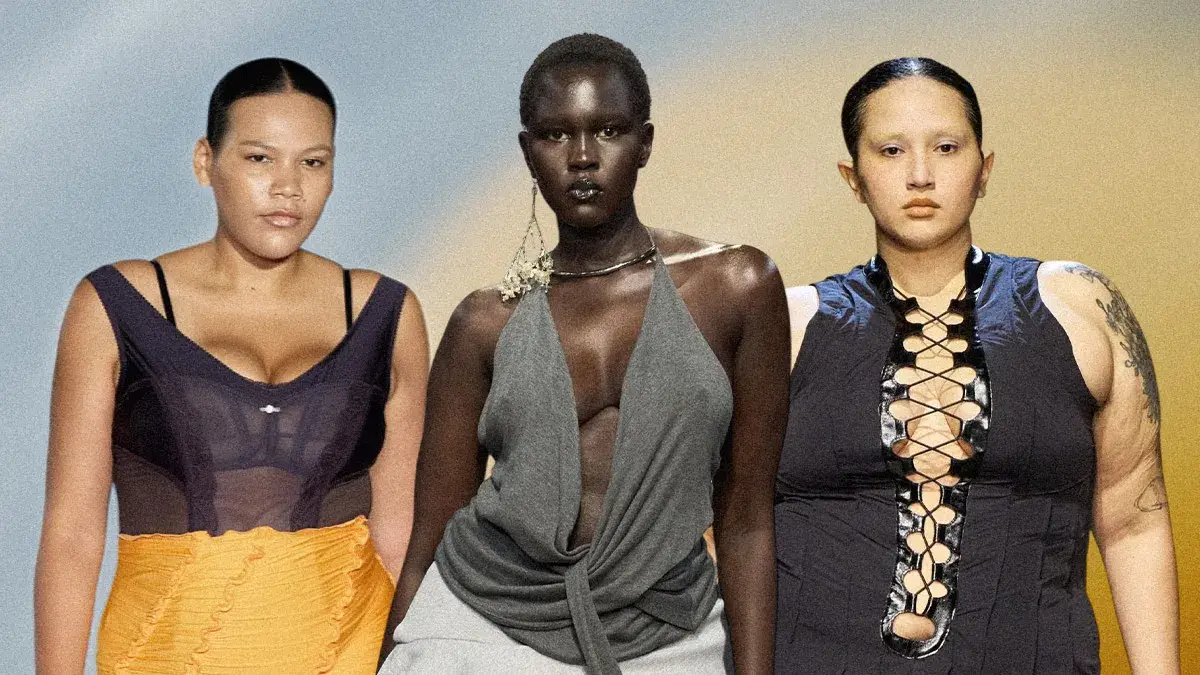
Fashion's Size Inclusivity Crisis: Designers Sound the Alarm Over Disappearing Curves
As the runway retreats from diverse body representation, designers holding firm on expanded sizing face mounting industry pressure.
By Dee AlvarezPublished Updated 2 min read
The fashion world's brief embrace of diverse body types is facing a severe reckoning. After several seasons of visible progress on global runways, industry figures warn that the momentum behind inclusive sizing is unraveling at an alarming pace. One stark assessment from designers describes a shifting cultural landscape where an obsession with shrinking bodies is once again dominating style culture, threatening to push expanded sizing right off the catwalk. For years, advocates celebrated the hard-won presence of curve and mid-size models across major fashion weeks. Mainstream fashion houses began pledging wider size ranges, and ad campaigns regularly showcased varied silhouettes. However, reports show that those commitments were far more fragile than shoppers realized. As seasonal presentations revert to ultra-lean aesthetics, the initial gains of the size-inclusivity movement are quietly vanishing from elite runways.
Why is fashion size inclusivity rolling back?
Industry insiders note that many major fashion houses treated size diversity as a passing marketing trend rather than an essential design practice. When aesthetic currents shift, commercial brands often retreat to traditional sample sizing. Pattern drafting for varied bodies requires specialized grading, distinct technical adjustments, and higher fabric expenditure. When economic conditions tighten, extended size runs are frequently among the first investments fashion executives eliminate. As major luxury players abandon diverse casting, the burden falls on designers who steadfastly refuse to walk away from their communities. Those committed to inclusive sizing argue that dropping extended sizes alienates customers who fought for decades to be included in high-end style. Even so, standing against the prevailing trend requires navigating steep financial roadblocks.
What does the size regression mean for independent labels?
Holding firm on size inclusion comes at a serious operational cost. Independent fashion houses dedicated to comprehensive size charts must shoulder larger production minimums and manage complex inventory distributions entirely on their own. When the wider industry deprioritizes body diversity, these creators face immense friction securing wholesale accounts from retail buyers who still favor tiny sample sizes. Despite the pushback, designers committed to true inclusion insist there is no turning back. Even as high fashion attempts to reset its aesthetic clock, real-world consumers are not disappearing, and their demand for high-quality clothing across all sizes remains constant. The question now is whether the industry will wake up to that reality or continue its quiet retreat.
More like this
Fashion & Beauty
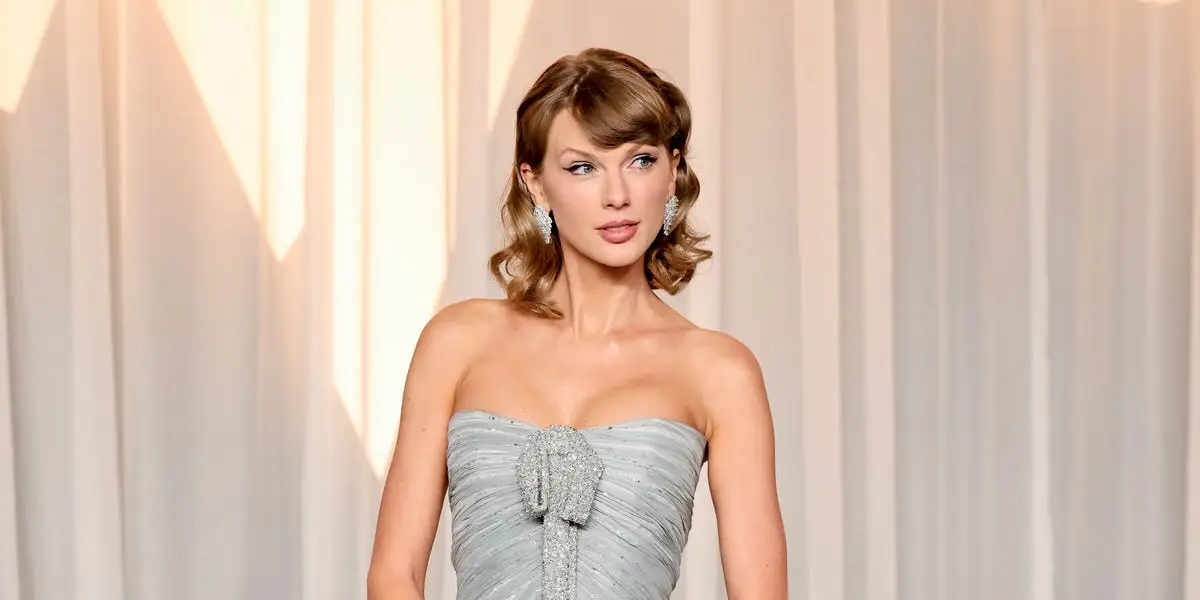
Taylor Swift Sparks Bridal Buzz in Ethereal Baby-Blue Dior Gown
The superstar turned heads at the Academy Museum Gala in an icy pastel design hailed as one of her sharpest red carpet appearances.
Oct 18, 2026
Fashion & Beauty
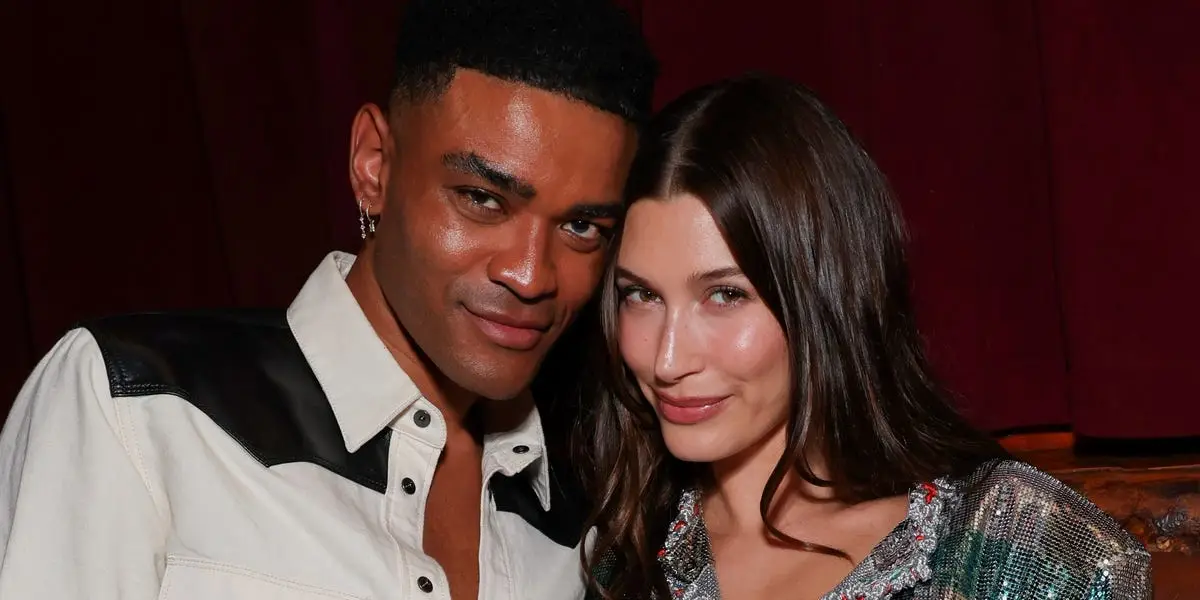
Hailey Bieber Shines in Iridescent Chanel Jacket and Relaxed Denim
The Rhode founder proves that disco shimmer and everyday faded denim are a match made in fashion heaven.
Oct 17, 2026
Fashion & Beauty
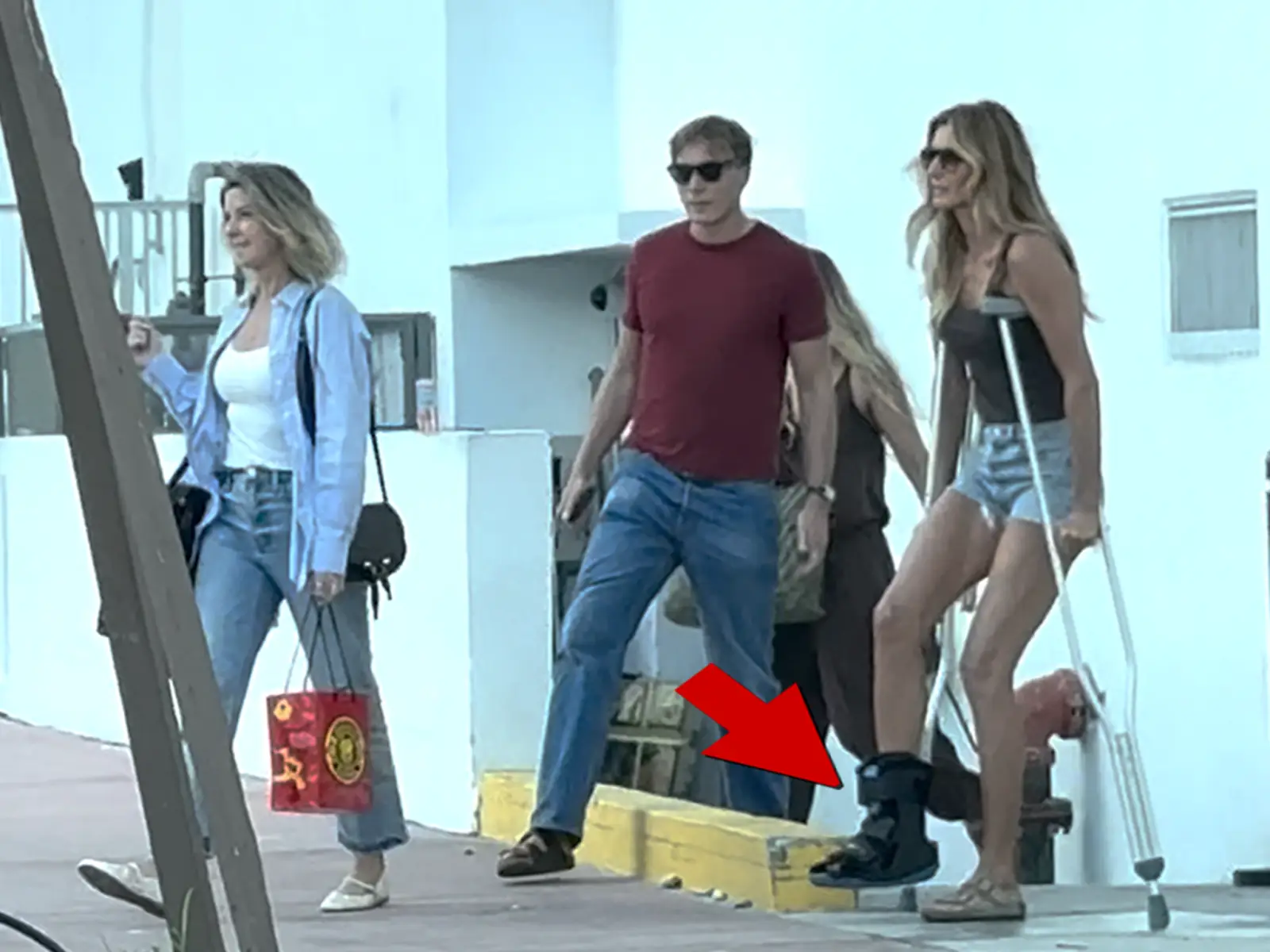
Gisele Bündchen Spotted on Crutches and Medical Boot in Miami
The runway icon was seen carefully hobbling out of a Miami Beach hotel with full orthopedic support gear.
Oct 17, 2026
Get the pop news brief
One daily email. The biggest celebrity, music and TV stories, no filler.
People also ask
- Why are fashion brands cutting back on size inclusivity?
- Reports indicate many fashion houses treated extended sizing as a temporary marketing trend, cutting broader size runs to save on manufacturing, grading, and inventory costs.
- How does the rollback in sizing impact independent designers?
- Independent labels committed to diverse sizing face higher manufacturing minimums and struggle to secure wholesale orders from retailers that prefer standard sample sizes.
- fashion
- runway
- body inclusivity
- size diversity
- fashion week
- plus-size fashion
Reader reaction
No comments yet — be the first to weigh in.