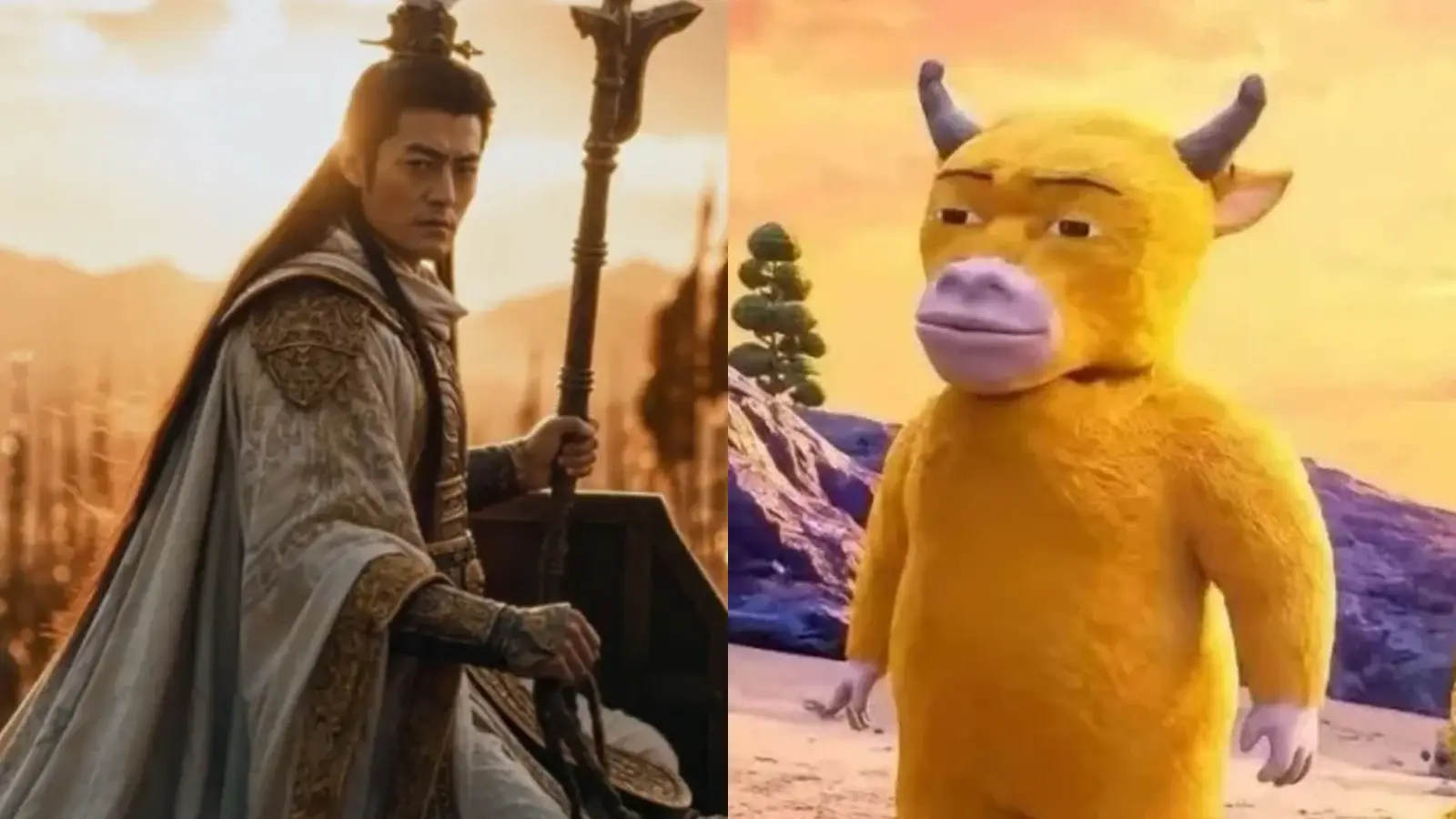
China's First Fully AI-Generated Movie Tanks at the Box Office
Moviegoers reject the synthetic spectacle months after a film mocked for looking 'worse than AI' raked in millions.
By Dee AlvarezPublished Updated 2 min read
Hollywood and international cinema hubs continue to argue over computer-generated creativity, but ticket buyers have delivered a swift verdict. China’s very first full-length theatrical title made entirely with artificial intelligence has crashed hard upon arrival, failing to generate meaningful momentum during its theatrical run. The brutal misfire arrives right on the heels of a bizarre theatrical contrast. Just months earlier, an entirely different production that faced widespread public ridicule for visual effects described as "worse than AI" managed to pull in millions of dollars. That twist proved that human curiosity and ironic viewing can still translate into serious cash, whereas algorithmic generation cannot automatically purchase public loyalty.
Why Did the AI Feature Crash at the Box Office?
Watch
Clips tied to this story.
Machine-crafted video has ignited intense debates across the global creative landscape. Studio executives frequently view generative technology as a massive cost-cutting measure, dreaming of streamlined pipelines and drastically reduced animation and rendering budgets. Yet cinemagoers are demonstrating that technological novelty alone does not translate to theater receipts. While curious internet users frequently watch brief clips online, sitting through a full narrative built completely by algorithms is an entirely different demand. Reports indicate the pioneering project could not build the word-of-mouth momentum necessary to survive in modern theaters. Audiences overwhelmingly opted out of the synthetic experiment, leaving cinema screens deserted.
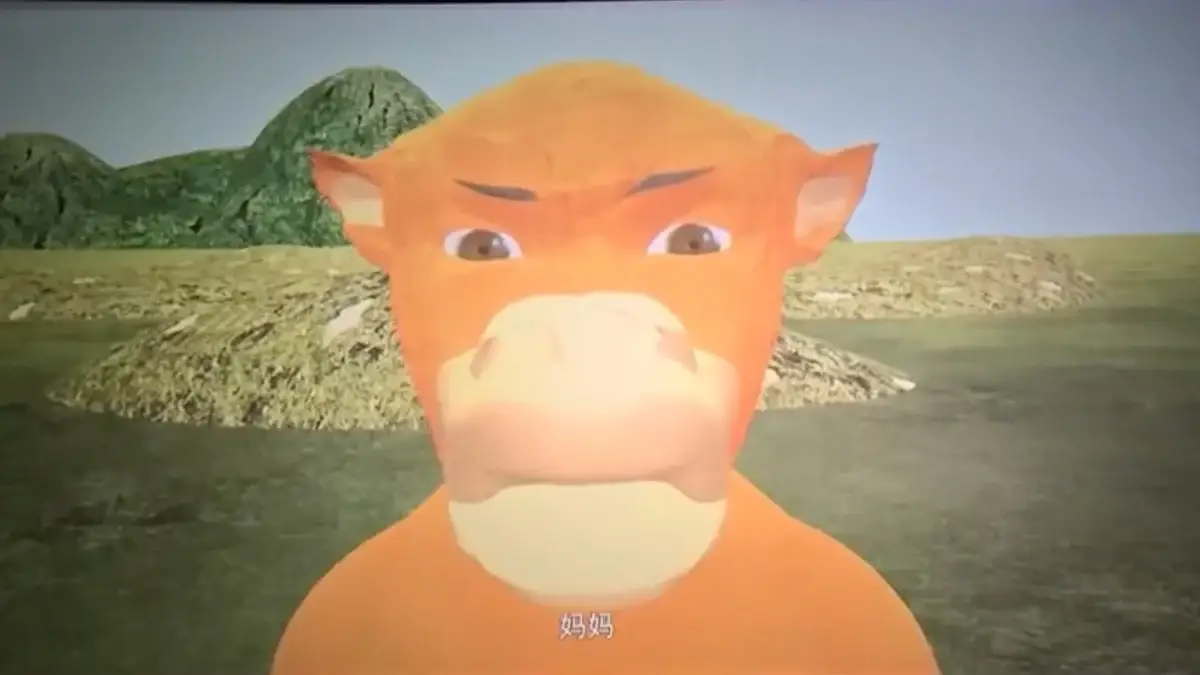
What Does This Mean for the Future of AI Cinema?
The stumble provides a sharp reality check for tech evangelists attempting to transform traditional film distribution overnight. Contrast this flop with the previous project that struck gold despite being mocked for looking inferior to automated renders. That earlier title gained traction because audiences found humor, human eccentricity, or spectacle in the mess, turning the theatrical trip into a communal event. By comparison, an endeavor constructed purely through computational generation lacks the erratic charm of human errors or campy viral appeal. Without recognizable star power, personal artistic perspectives, or genuine emotional stakes, the project failed to provide audiences with a convincing reason to spend money at the theater. For now, the financial wreckage sends a pointed message across the entertainment industry. Studios might continue experimenting with automated tools behind the scenes, but attempting to replace entire creative pipelines with artificial intelligence remains a severe financial risk that theater crowds are refusing to endorse.
The photos · 3
More like this

TV & Film
Vijay Sethupathi and GV Prakash Kumar Lead Fresh Slate of South Indian Streaming Premieres
From period comedy 'Baththa' to supernatural romance 'Immortal,' major Tamil and Malayalam titles are making their digital debuts.
9h ago

TV & Film
Jon Stewart Left Stunned After Guest Opens Daily Show Chat With Jared Kushner Legal Statement
The late-night veteran was caught off guard when investigative author Matthew Cole opened their interview with an unexpected legal rebuttal.
17h ago

TV & Film
Jon Stewart Roasts Corporate Bosses and Shouts Out Saudi Crown Prince on 'The Daily Show'
The late-night veteran took direct aim at Skydance backer Mohammed bin Salman during a sharp critique of billionaire wealth.
19h ago
Get the pop news brief
One daily email. The biggest celebrity, music and TV stories, no filler.
People also ask
- Did China's first full AI movie succeed at the box office?
- No, reports confirm the project bombed theatrically and failed to draw meaningful ticket sales.
- Why did a film mocked for looking worse than AI make millions?
- That earlier human-made production benefited from curiosity and viral attention, proving that audiences were willing to pay for eccentric entertainment while rejecting fully automated features.
- artificial intelligence
- box office
- chinese cinema
- film industry
- generative ai
Reader reaction
No comments yet — be the first to weigh in.